
You have not yet added any article to your bookmarks!
Join 10k+ people to get notified about new posts, news and tips.
Do not worry we don't spam!
Post by : Meena Ariff
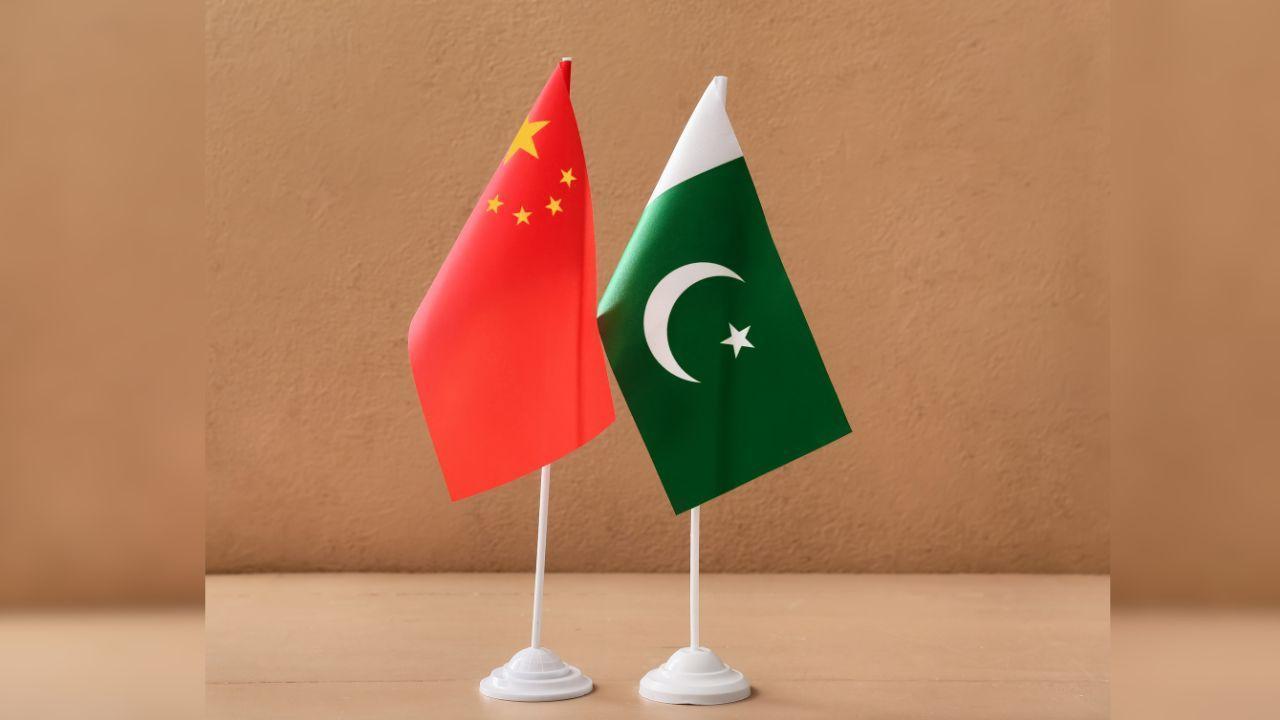
Last week, China’s Foreign Minister Wang Yi visited India, Pakistan, and Afghanistan, highlighting China’s growing influence in South Asia and its role in global politics. This visit comes at a time when regional geopolitics are shifting, with new alignments emerging due to conflicts, trade disputes, and strategic realignments.
China and Pakistan: A Strong Strategic Alliance
Wang Yi’s visit to Pakistan reaffirmed the long-standing strategic partnership between the two countries. Pakistan has benefited from China’s support in both defence and economic development. During his three-day stay in Islamabad, Wang Yi co-chaired the Pak-China Strategic Dialogue and met with top civil and military officials. The talks covered defence cooperation, economic projects, and regional connectivity.
China has been Pakistan’s strongest partner, helping the country financially and with strategic support. Pakistan’s success in recent conflicts with India is partially attributed to defence cooperation with China. Economically, China is the largest investor in Pakistan, primarily through the China-Pakistan Economic Corridor (CPEC). Discussions during the visit included the second phase of CPEC, which aims to expand into agriculture, mining, and industry.
While Pakistan is also developing closer ties with the United States, Beijing understands these ties are transactional and unlikely to affect its strategic alliance with Pakistan. However, security concerns remain, as Chinese nationals working on CPEC projects in Balochistan and Khyber Pakhtunkhwa have been targeted by militants. Addressing these issues is vital for the success of future projects.
China and India: Warming Relations After Years of Tension
Before visiting Pakistan, Wang Yi spent three days in India, marking the first visit by a top Chinese diplomat to New Delhi in three years. Relations between India and China have been tense since border clashes in 2020, especially after India’s move to annex Kashmir. However, the visit indicates a thaw in diplomatic ties as India seeks to diversify its foreign policy.
India’s growing disputes with the United States, including a 50% tariff on Indian exports and tensions over Russian oil imports, have encouraged New Delhi to reset its approach towards China. During his visit, Wang Yi met senior Indian officials, and Prime Minister Narendra Modi personally welcomed him, emphasizing India’s desire to improve relations. Modi has also accepted an invitation to attend the Shanghai Cooperation Organisation (SCO) summit in China at the end of the month.
This upcoming SCO meeting is significant, bringing together leaders from over 20 countries, including Russia’s Vladimir Putin and Pakistan’s Shehbaz Sharif. It is expected to offer opportunities for bilateral discussions between Modi and Xi Jinping, reflecting India’s strategic shift and willingness to engage with China despite past tensions.
China’s Role in Regional Stability
Wang Yi’s trip highlights China’s central role in shaping regional politics and economic cooperation in South Asia. By strengthening ties with both India and Pakistan, Beijing is promoting dialogue and regional connectivity, while also asserting its influence in global affairs.
China continues to focus on balancing its partnerships carefully. With strong economic investments and strategic defence cooperation, China aims to maintain stability and foster closer collaboration with South Asian countries. At the same time, it remains aware of security challenges and the need to ensure safety for its nationals working on key projects.
China’s recent visit to India, Pakistan, and Afghanistan signals a proactive approach to diplomacy in South Asia. While Pakistan remains a core strategic partner, improving relations with India and maintaining dialogue with Afghanistan are part of China’s broader strategy to strengthen regional cooperation. The visit also reflects China’s vision for a multipolar world, where it plays a central role in economic development, security, and global trade.










PM Modi Pays Tribute to Mahatma Gandhi, Urges People to Support Khadi
PM Modi pays tribute to Mahatma Gandhi on Gandhi Jayanti and urges citizens to support Khadi and the

Amazon Seeks to Offload $8 Billion in Nvidia Chips to Investors
Amazon plans to move $8 billion in Nvidia chips to investors, using a new financing model to strengt

Samsung Raises Galaxy S26 Prices as Memory Chip Costs Rise
Samsung raises Galaxy S26 prices in South Korea as rising memory chip costs put pressure on smartpho

Lewis Hamilton Calls Singapore Grand Prix One of F1's Toughest Races
Lewis Hamilton discusses the demanding Singapore Grand Prix and brings Plus44 and Almave to Singapor

Denmark's Pandora Opens World's Largest Jewellery Factory in Vietnam
Pandora opens its largest jewellery factory in Vietnam, expanding global production, strengthening s

Gautam Gambhir Questions Batting-Friendly Pitches After India's Record ODI Chase
Gautam Gambhir questions batting-friendly ODI pitches after India’s record chase, calling for a bett

