You have not yet added any article to your bookmarks!
Join 10k+ people to get notified about new posts, news and tips.
Do not worry we don't spam!
Post by : Rameen Ariff
Chinese artificial intelligence companies are rapidly gaining ground in the global AI race, putting pressure on the US government and major American technology firms to respond.
The growing popularity of lower-cost Chinese AI models has created concerns in Washington, as businesses and startups increasingly explore alternatives to expensive US-developed systems from companies such as OpenAI and Anthropic.
The debate intensified after the launch of Kimi K3, an advanced AI model developed by Chinese company Moonshot. US officials have accused the company of using a technique known as AI model distillation to replicate capabilities from leading American AI systems.
The US government says some Chinese AI companies may have used advanced techniques to copy the performance of American AI models while avoiding restrictions on access to high-end technology.
White House officials claimed that Moonshot’s Kimi K3 may have benefited from distillation methods linked to Anthropic’s AI models. AI distillation is a common industry practice where a smaller model learns from a larger model to improve efficiency.
However, US officials argue that Chinese companies may be using this method on a much larger scale to recreate proprietary technologies.
Michael Kratsios, director of the White House Office of Science and Technology Policy, criticized the practice and raised concerns that some Chinese companies may have bypassed US restrictions on advanced AI chips, including those produced by Nvidia.
The US Commerce Department’s Bureau of Industry and Security is reportedly examining Chinese AI firms, including Moonshot, over possible use of restricted AI chips.
The investigation comes as Washington continues efforts to control exports of advanced semiconductor technology to China, citing national security concerns.
US officials are also considering possible sanctions and restrictions on foreign-made open-source AI models.
The discussion has sparked strong opposition from many technology entrepreneurs and startups.
Open-source or open-weight AI models allow developers to customize technology and often cost significantly less than commercial AI systems offered by companies like OpenAI, Anthropic, and Google.
Many startups argue that restricting access to foreign open-source AI models would reduce competition and increase costs for smaller companies.
A group of 179 startups reportedly urged the Trump administration not to introduce strict restrictions, warning that such policies could strengthen large US AI companies while limiting innovation.
Some technology leaders believe restrictions on Chinese AI models could unintentionally benefit major US AI companies by reducing competition.
Former venture capitalist Bill Gurley argued that open AI models should be viewed as competition rather than a security threat.
David Sacks, former White House AI policy adviser, also criticized calls for tighter restrictions, saying unnecessary regulations could harm America’s AI leadership.
He warned against what he described as a “Kimi panic” and supported a lighter regulatory approach.
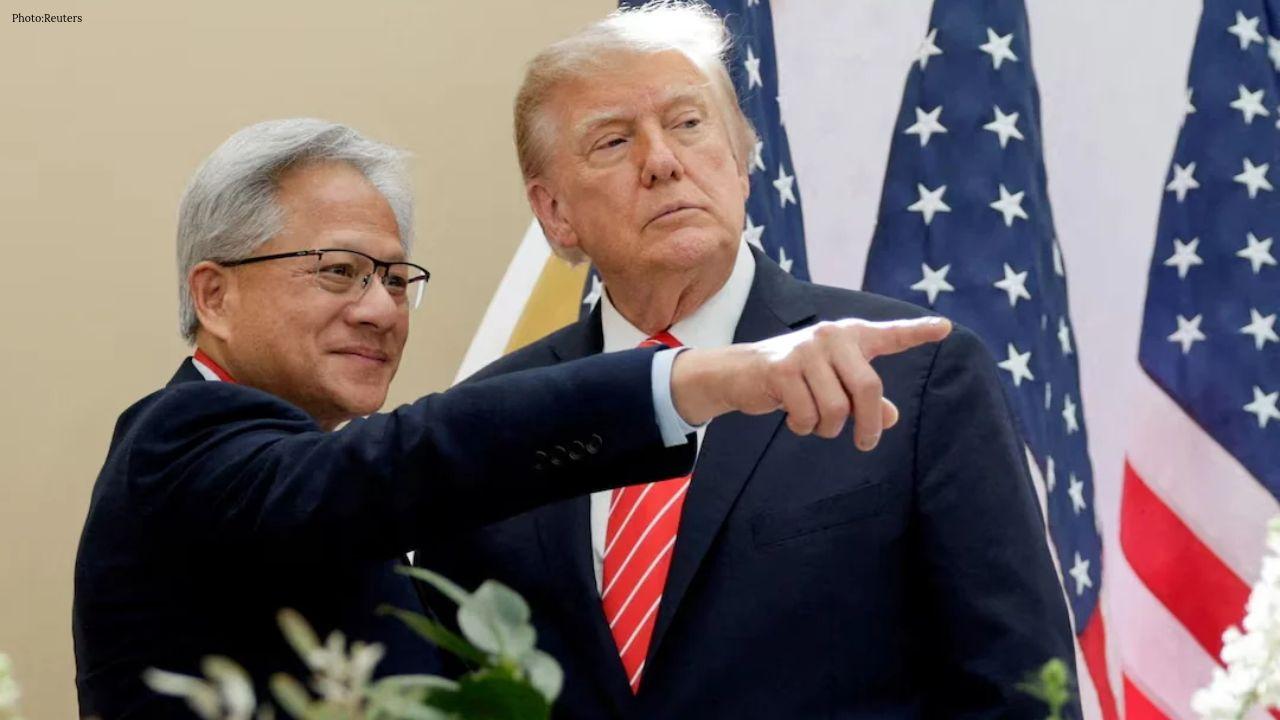
Nvidia CEO Jensen Huang has also entered the debate, saying American companies should be allowed to use Chinese AI models.
Nvidia plays a major role in the global AI industry because its chips power many artificial intelligence systems worldwide.
Huang’s comments highlight the growing tension between national security concerns and the technology industry’s demand for open competition.



Union of European Clubs Challenge UEFA and EFC Over EU Competition Rules
UEC files an EU competition complaint against UEFA and EFC, challenging club representation, governa

Mohammed Shami Retires From Test Cricket, Eyes White-Ball Career
Mohammed Shami retires from Test cricket after 13 years, with 229 wickets. He will continue playing

Singapore Warns Users About Privacy and Security Risks of AI Agents
Singapore warns users about AI agent security risks, data privacy, online scams and unauthorised acc

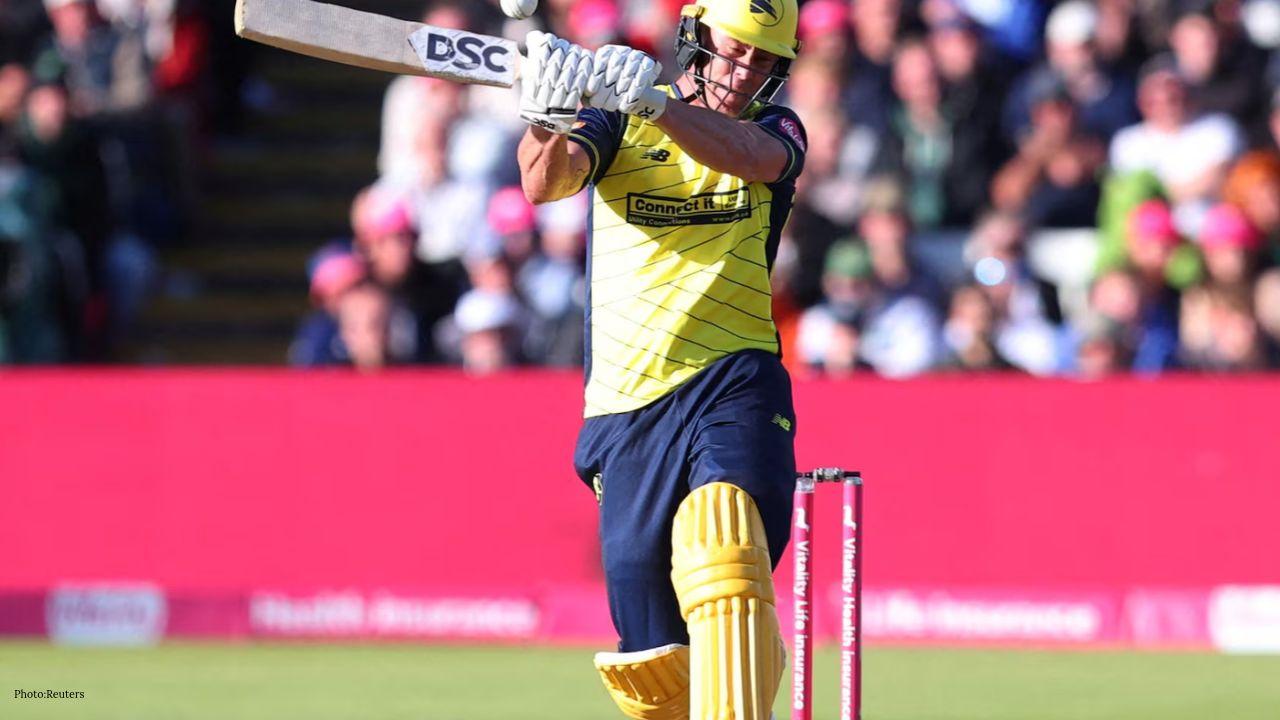
Chris Lynn Completes One-Month Ban After Positive Cocaine Test
Australian cricketer Chris Lynn completes a one-month ban after a positive cocaine test during the T
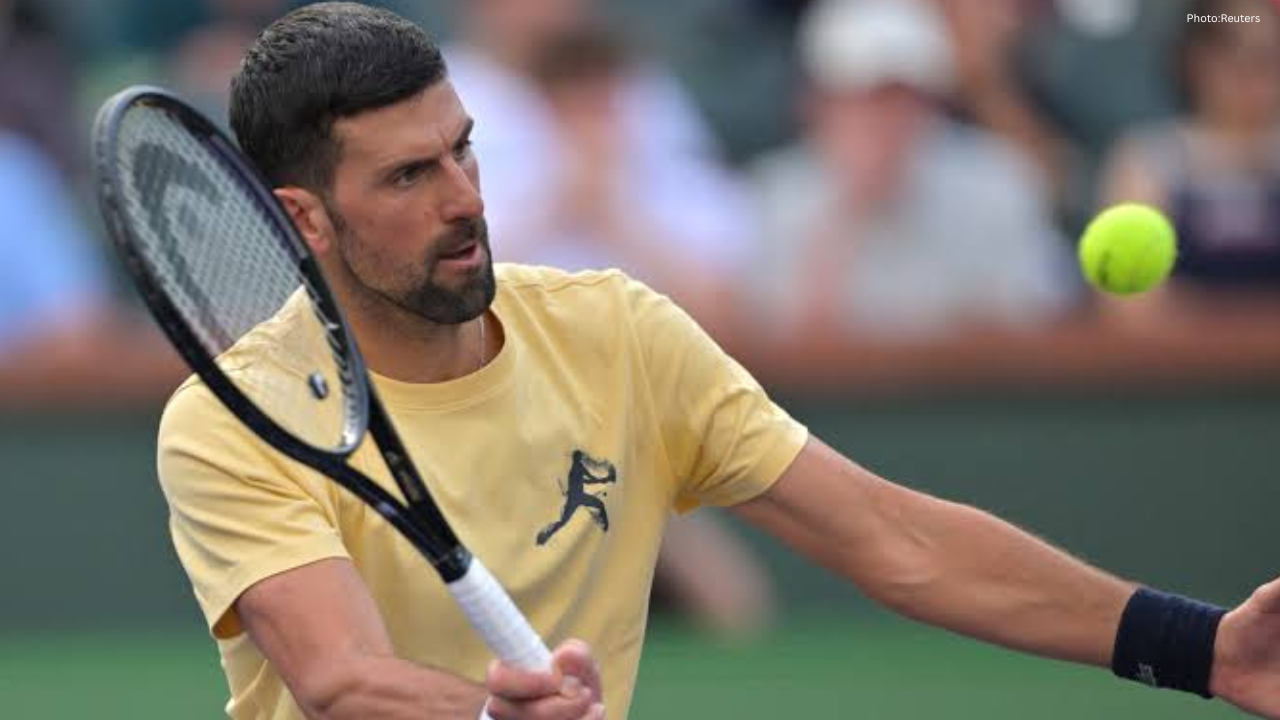
Djokovic Eyes Strong Season Finish as Health Improves Ahead of Paris Masters
Novak Djokovic reports improved health and performance as he targets a strong Paris Masters finish a
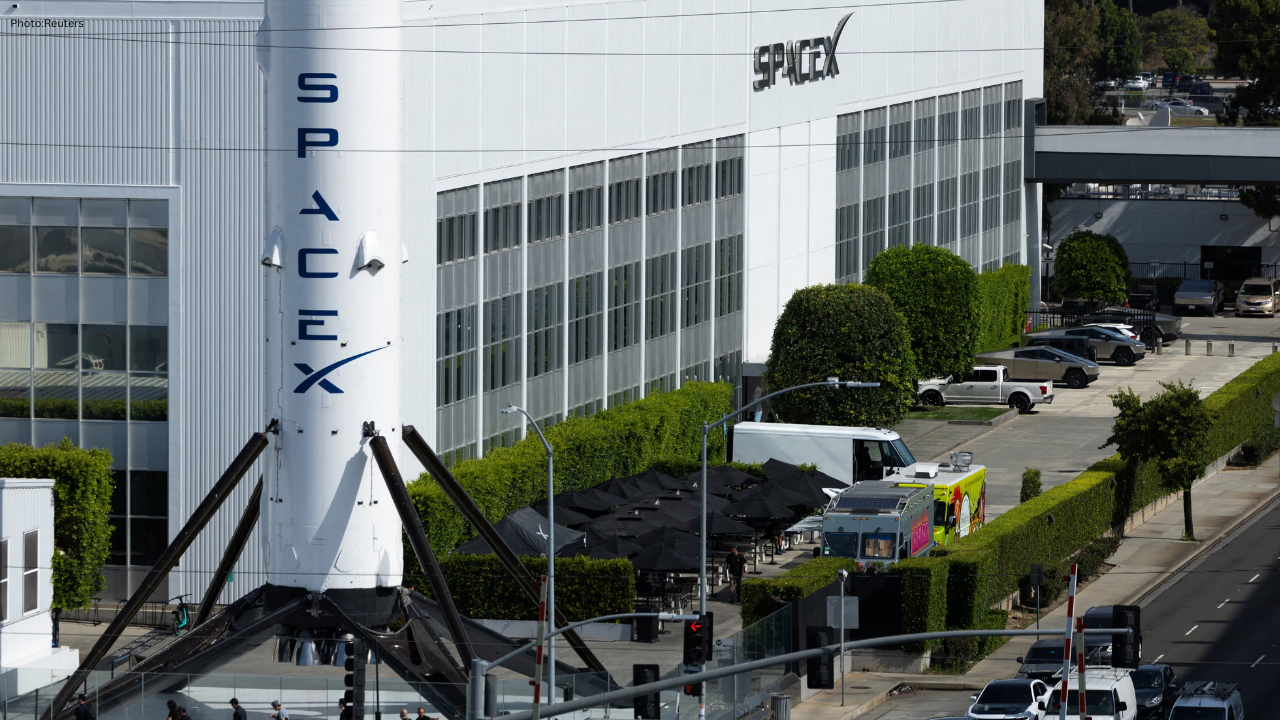
SpaceX in Talks to Buy Boost Mobile or Use Its Network
SpaceX reportedly explores a Boost Mobile deal with EchoStar to expand Starlink Mobile and challenge