
You have not yet added any article to your bookmarks!
Join 10k+ people to get notified about new posts, news and tips.
Do not worry we don't spam!
Post by : Saif Rahman
The latest round of indirect discussions between the United States and Iran concluded in Doha, Qatar, centering on two key issues: maritime security in the Strait of Hormuz and the ongoing challenge regarding Iran's frozen financial assets. While both sides acknowledged a constructive atmosphere, the meetings concluded without a significant agreement or peace settlement.
These diplomatic talks took place over a two-day period with intermediaries from Qatar and Pakistan facilitating separate meetings between American and Iranian representatives, instead of direct interactions. Reports indicate that the agenda primarily aimed at realizing aspects of the interim agreement established in June that followed weeks of escalating military tensions.
Key Themes in Discussions: Strait of Hormuz
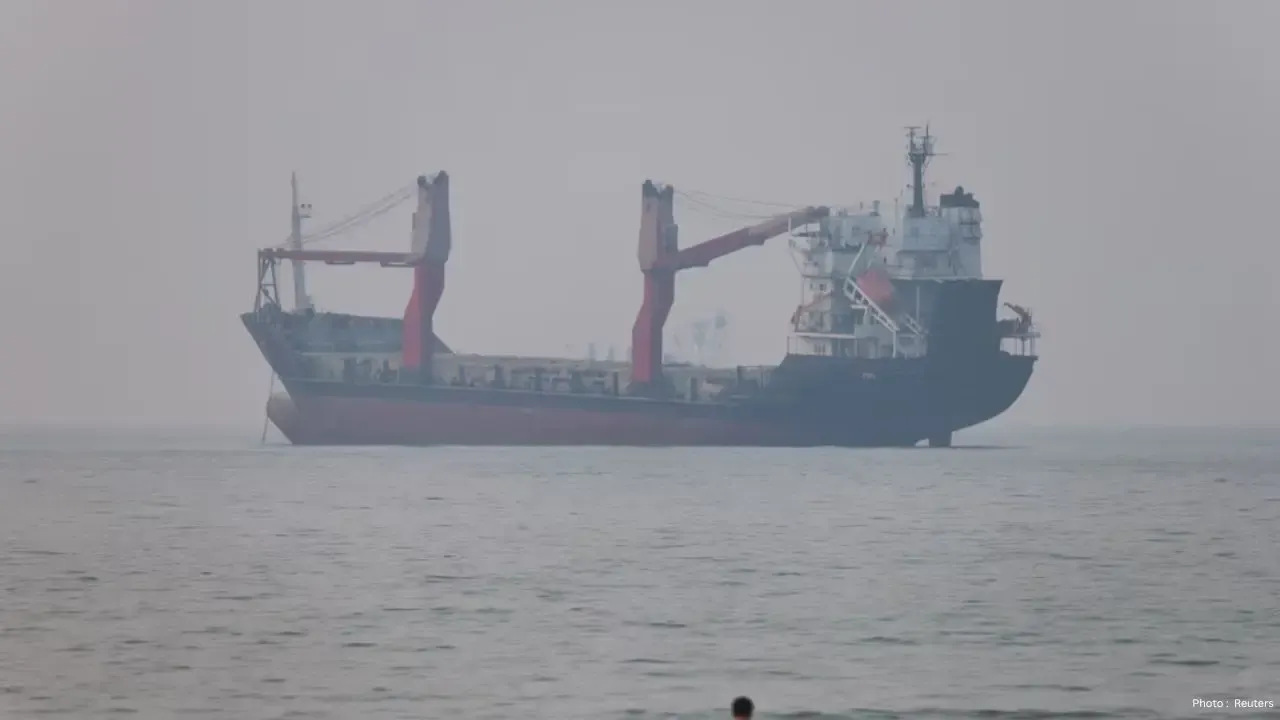
The discussions were heavily focused on the strategic Strait of Hormuz, an essential maritime route that facilitates approximately 20% of the world's oil and liquefied natural gas (LNG) shipments. Any disruption in this waterway could potentially influence global energy supplies and prices.
The interim agreement from June urged both nations to ensure safe passage for commercial shipping in the strait, which had been jeopardized by military interactions. Although shipping operations are gradually resuming, security anxieties remain particularly in light of recent hostilities involving vessels in the region.
Iran expresses commitment to gaining broader recognition of its territorial claims in the Strait of Hormuz, with indications that shipping tolls may be instituted after a toll-free period ends in mid-August. This potential move is being carefully scrutinized by international shipping firms and nations reliant on these routes for energy necessities.
Discussion of Frozen Assets
Another vital subject during negotiations was Iran's frozen assets situated outside the country. Iranian authorities continue to prioritize access to these funds as part of their diplomatic dialogue with the U.S.
While both parties examined technical aspects of implementing previous financial arrangements, no formal announcements regarding asset releases were made.
Nuclear Negotiations Still Pending
As President Trump noted progress on curbing Iran's nuclear ambitions, the current dialogue did not address nuclear concerns directly. Instead, the Doha negotiations were primarily concerned with practical issues linked to prior agreements. U.S. officials signaled that discussions pertaining to Iran's nuclear program would be a priority in upcoming negotiations.
The United States continues to perceive the nuclear developments as a critical security risk, yet both nations seem to favor a cautious, phased approach, initially resolving practical issues affecting regional stability.
Qatar's Role in Facilitating Talks
Qatar's Foreign Ministry described the resulting discussions as positive and aligned with previous diplomatic efforts. They confirmed further indirect negotiations are set to occur after the memorial services for Iran's late Supreme Leader Ayatollah Ali Khamenei, who will be interred on July 9.
Notably, senior U.S. envoy Steve Witkoff and Kushner did not participate in the Doha meetings, counter to prior expectations.
Market Impact from Diplomacy
Global markets reacted favorably to the continuation of diplomatic efforts, with oil prices hitting a four-month low following President Trump's optimistic remarks. Analysts conveyed that the ongoing dialogue hints at a lower likelihood for significant military escalation in the Gulf region, at least momentarily.
Even with this positive market sentiment, experts warn that the security climate surrounding the Strait of Hormuz remains tenuous, with recent incidents involving commercial vessels heightening concerns among shipping stakeholders and governments.
Looking Ahead
The Doha discussions have kept communication channels open between both countries, yet pivotal disagreements linger. Future negotiations are anticipated to target Iran's nuclear agenda more directly, presenting a notable challenge in the U.S.-Iran relationship.
In the interim, both nations will likely continue to engage through mediators while working to enact components of the June interim agreement aimed at lessening regional tensions and safeguarding commercial navigation in the Strait of Hormuz.
#Global News #World Update #Global Updates #Middle East #World News










PM Modi Pays Tribute to Mahatma Gandhi, Urges People to Support Khadi
PM Modi pays tribute to Mahatma Gandhi on Gandhi Jayanti and urges citizens to support Khadi and the

Amazon Seeks to Offload $8 Billion in Nvidia Chips to Investors
Amazon plans to move $8 billion in Nvidia chips to investors, using a new financing model to strengt

Samsung Raises Galaxy S26 Prices as Memory Chip Costs Rise
Samsung raises Galaxy S26 prices in South Korea as rising memory chip costs put pressure on smartpho

Lewis Hamilton Calls Singapore Grand Prix One of F1's Toughest Races
Lewis Hamilton discusses the demanding Singapore Grand Prix and brings Plus44 and Almave to Singapor

Denmark's Pandora Opens World's Largest Jewellery Factory in Vietnam
Pandora opens its largest jewellery factory in Vietnam, expanding global production, strengthening s

Gautam Gambhir Questions Batting-Friendly Pitches After India's Record ODI Chase
Gautam Gambhir questions batting-friendly ODI pitches after India’s record chase, calling for a bett

