
You have not yet added any article to your bookmarks!
Join 10k+ people to get notified about new posts, news and tips.
Do not worry we don't spam!
Post by : Samjeet Ariff
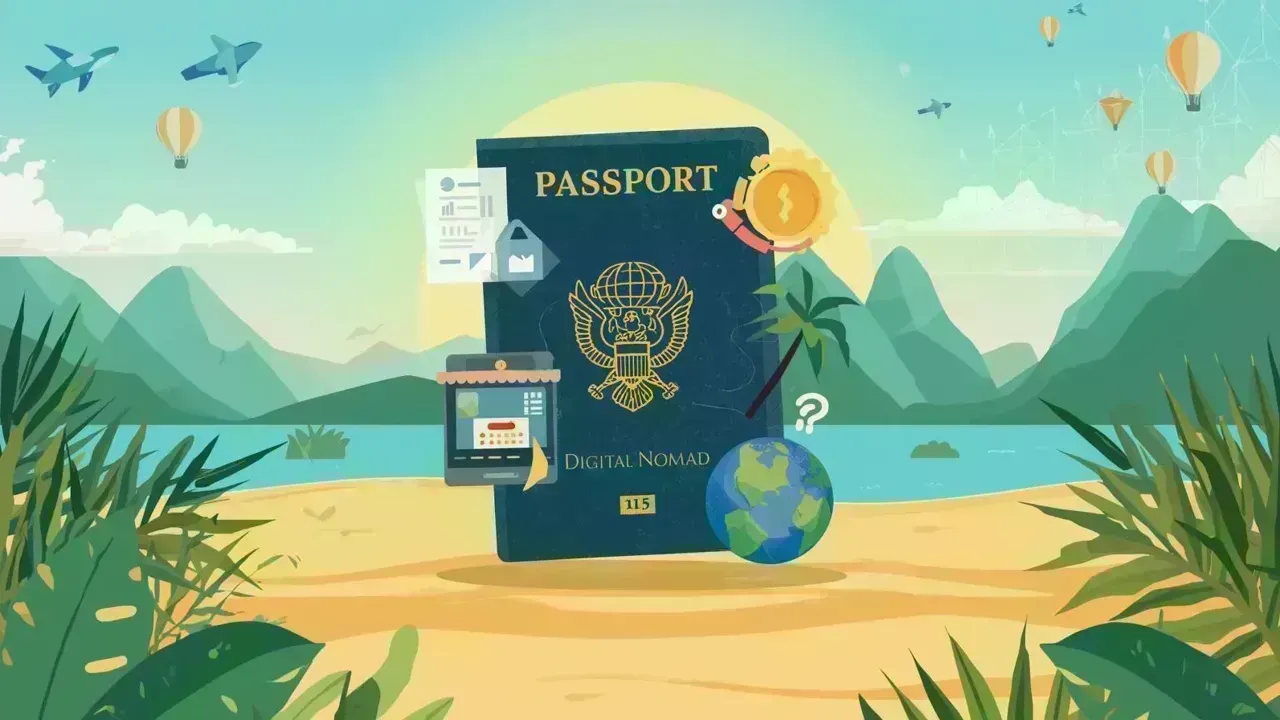
As remote work reshapes travel dynamics, numerous countries are unveiling digital nomad visas—special permissions that enable remote professionals to reside abroad for longer durations, often with tax incentives and simplified regulatory conditions. In 2026, several countries globally are set to offer digital nomad visas or similar remote work residency options that include defined minimum income requirements, application steps, and limits on duration. This guide provides an overview of leading nations with digital nomad visas in 2026, clarifies their key income benchmarks, and outlines what potential applicants must satisfy to qualify.
A digital nomad visa serves as a temporary residence permit aimed at remote workers, freelancers, entrepreneurs, and digitally mobile professionals. It enables holders to establish residence in another country while engaging with foreign clients or employers. Common prerequisites include verifiable income, health insurance, and sometimes a minimum savings amount.
Portugal has a digital nomad/residency visa available under its D7 or specific remote work arrangement, requiring applicants to demonstrate stable remote or passive income, generally recommended at €1,200–€2,000 monthly (or equivalent), along with proof of accommodation and health insurance. Income limits may differ among consulates and based on family composition.
Spain has introduced a digital nomad visa through the “Law for the Promotion of the Digital Nomad Work” as part of the Startup Law. Applicants need to validate remote employment with non-Spanish companies and provide stable income, generally beyond €2,000 monthly for the primary applicant, plus supplementary funds for dependents.
Greece mandates an income of at least €3,500 monthly (before tax) for its digital nomad visa, with families requiring at least €5,000+ monthly. Verification of a remote work contract and health insurance is mandatory.
Italy has established a digital nomad and freelancers visa with income standards typically aligned with the minimum living costs; many embassies require proof of €8,000+ annually, though recommendations often suggest a greater income for visa approval.
Croatia offers a specific digital nomad residence permit necessitating approximately HRK 27,000–HRK 30,000 monthly (~€3,600–€4,000), contingent on exchange rate fluctuations and consulate guidelines.
Czech Republic features a long-term “Zivno” license akin to a digital nomad permit, stipulating proof of sufficient income to support residency, which is often pegged at CZK 30,000+ monthly (~€1,200+).
United Arab Emirates (UAE) provides a Remote Work Visa, enabling foreign workers to reside in the UAE for up to one year. Applicants must demonstrate earnings of at least USD 5,000 monthly or present substantial savings and health insurance.
Egypt has implemented a long-term digital nomad residency program, requiring proof of income over USD 3,000/month along with health insurance and other criteria.
Barbados offers its Welcome Stamp visa, necessitating a minimum income of USD 50,000/year from applicants.
Costa Rica grants the Rentista visa or incorporates remote work within existing residency frameworks. Rentista candidates must verify an income of USD 2,500/month or show significant deposits.
Panama has a Short-Term Work Visa for remote workers with a typical income requirement of USD 3,000/month and proof of foreign employment.
Mexico lacks a dedicated digital nomad visa but permits a Temporary Resident Visa for remote employees, demanding a monthly income of MXN 300,000 over 12 months (~USD 15,000 annually) or substantial savings proof.
Japan is in the process of exploring specialized remote worker visas for highly skilled professionals, yet a mainstream digital nomad visa is still pending as of 2026; alternative long-term residency options are available through work or investment-related visas.
South Korea presents a D-7 visa for remote workers that requires documentation of stable income and engagement with foreign entities, though the specific requirements vary by consulate.
Thailand features the Smart Visa and the recently launched Long-Term Resident (LTR) visa that permits remote employment. Generally, income and asset criteria are relatively high, typically around USD 80,000+ yearly or equivalent assets for eligibility.
Malaysia has rolled out its DE Rantau Nomad Pass programs, setting income thresholds between MYR 40,000–MYR 50,000 monthly (~USD 8,000–USD 9,500), depending on exchange rates.
Australia and New Zealand do not offer traditional digital nomad visas but maintain long-stay work and freelancer-friendly visa categories requiring employer sponsorship or similar qualifying criteria.
Mauritius provides a Premium Visa that facilitates remote work up to one year. Although there is no rigid income threshold, applicants need to demonstrate financial means to support their stay.
South Africa has introduced a remote work visa with an income floor of USD 3,000 monthly (or local currency equivalent), alongside health insurance and a clean legal history.
Typical prerequisites across digital nomad visa schemes involve:
Minimum monthly or yearly income: Proof of stable, recurring income—generally through bank statements, employment letters, or client invoices. Income criteria can differ widely and may change annually.
Health coverage: Valid international health insurance for the visa's duration.
Accommodation verification: Leases, hotel bookings, or confirmations from host providers.
Criminal record checks: Certificates confirming a clean record are often needed.
Visa processing fees: Costs vary considerably by nation.
Countries like Portugal, Mexico, Czech Republic, and Egypt are often viewed as budget-friendly due to their lower income benchmarks and cost of living compared to the UAE, Greece, or Thailand.
Nations with premium remote work programs, including the UAE, Thailand (LTR), and Malaysia (DE Rantau), appeal to digital nomads with greater earning potential and appeal for luxury or long-term stays.
Gather financial documents early. Banks and employers may take time to furnish statements, so consider starting the process well before your travel plans.
Examine health insurance policies that explicitly cater to international remote work residencies.
Consult each country’s official immigration websites for the latest regulations, as income thresholds and processing rules can adjust yearly or seasonally.
This article is intended for informative purposes and does not present legal advice. Visa policies, income parameters, application processes, and conditions can evolve without prior notice. Always consult official immigration authorities or consulates for the most accurate and updated guidance.







Google Signs 3.6-GW Power Deal With Constellation Energy in US
Google signs a 3.6-GW power deal with Constellation Energy, including nuclear power upgrades to supp

Harmanpreet Kaur Steps Down as India Captain Across All Formats
Harmanpreet Kaur steps down as India captain across all formats after a remarkable leadership journe

Michael Bracewell Chooses Casual Contract, Targets BBL Opportunity
Michael Bracewell moves to a casual contract as he eyes a BBL opportunity while remaining available

Tuchel Says Alex Scott Can Challenge Declan Rice for England Midfield Spot
Thomas Tuchel says Alex Scott can challenge Declan Rice for an England midfield place after his impr
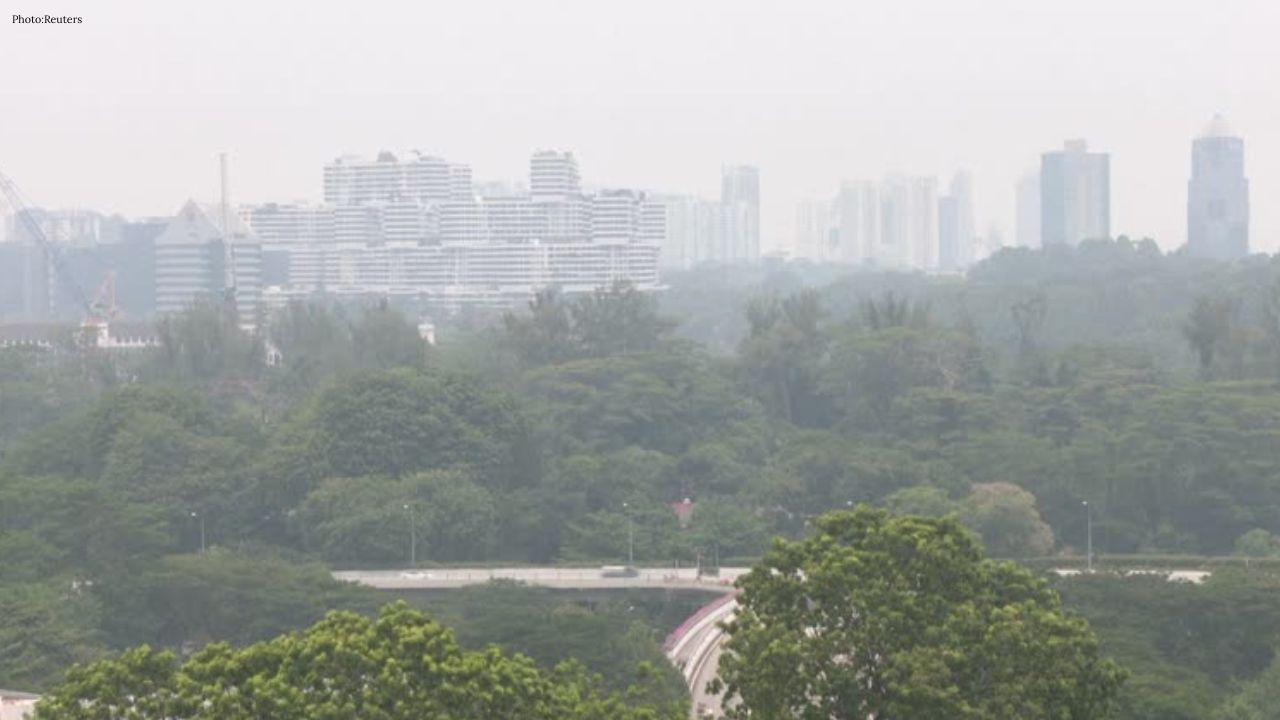
Air Quality Turns Unhealthy in Central and Western Singapore Amid Haze
Singapore haze pushes PSI above 100 in central and western areas as smoke from regional hotspots rai

PM Modi Pays Tribute to Mahatma Gandhi, Urges People to Support Khadi
PM Modi pays tribute to Mahatma Gandhi on Gandhi Jayanti and urges citizens to support Khadi and the

