
You have not yet added any article to your bookmarks!
Join 10k+ people to get notified about new posts, news and tips.
Do not worry we don't spam!
Post by : Shakul
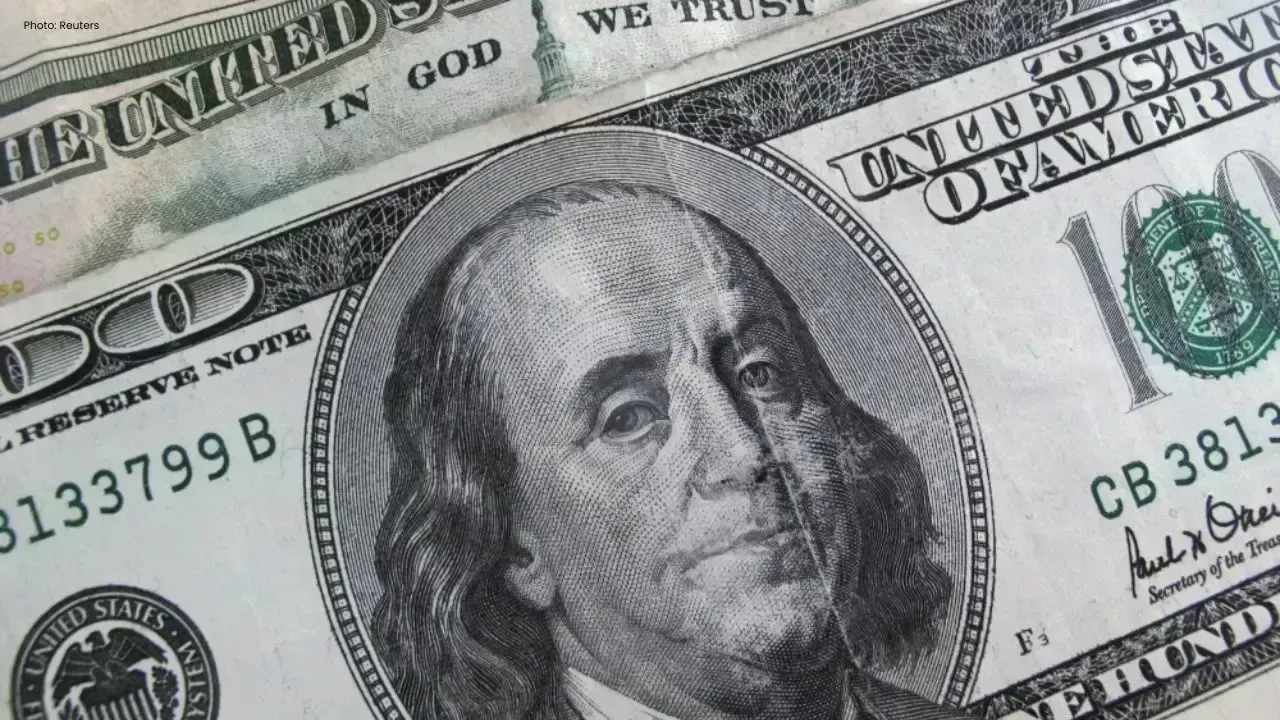
The US dollar remained largely steady against major global currencies on Friday but was on track to post a weekly decline as reports emerged that the United States and Iran had reached a preliminary agreement to extend a ceasefire in the Middle East. The development helped reduce investor demand for traditional safe-haven assets and improved overall market sentiment.
According to reports, the proposed agreement would extend the ceasefire for another 60 days while easing restrictions on shipping through the strategically important Strait of Hormuz. The arrangement is reportedly awaiting final approval from US President Donald Trump. Market participants viewed the news as a positive sign for regional stability and global trade flows.
The easing of geopolitical tensions immediately affected commodity and currency markets. Oil prices fell more than one percent during the session and were heading for their steepest weekly decline since early April. As energy markets stabilized, investors shifted away from defensive positions, placing additional pressure on the US dollar.
The dollar index, which measures the strength of the greenback against a basket of major currencies, traded near 99.045 and was set to finish the week approximately 0.3 percent lower. This would mark the end of a two-week winning streak for the currency. Analysts noted that geopolitical risk premiums built into markets over recent weeks are gradually fading as diplomatic efforts gain momentum.
European currencies remained relatively stable, with the euro trading near 1.1642 dollars and the British pound holding around 1.3435 dollars. Commodity-linked currencies performed slightly better, with the Australian dollar posting modest gains while the New Zealand dollar climbed to its strongest level in more than two weeks following expectations of earlier interest rate increases by New Zealand’s central bank.
Market experts believe that while tensions in the Middle East have temporarily supported the dollar in recent weeks, the broader trend still points toward weakness in the US currency. Investors continue to diversify away from dollar-denominated assets amid concerns over long-term economic conditions and shifting global investment strategies.
Meanwhile, attention remains focused on central bank policies worldwide. In Japan, the yen strengthened modestly and moved further away from the key 160-per-dollar level that previously triggered government intervention. Recent inflation and industrial output data have increased expectations that the Bank of Japan could raise interest rates in the coming months, adding further support to the Japanese currency.
Financial markets are expected to remain highly sensitive to developments surrounding the US-Iran negotiations, global energy prices, and future decisions by major central banks. Investors will closely monitor whether the ceasefire agreement becomes permanent and how it influences broader economic and currency market trends in the weeks ahead.










PM Modi Pays Tribute to Mahatma Gandhi, Urges People to Support Khadi
PM Modi pays tribute to Mahatma Gandhi on Gandhi Jayanti and urges citizens to support Khadi and the

Amazon Seeks to Offload $8 Billion in Nvidia Chips to Investors
Amazon plans to move $8 billion in Nvidia chips to investors, using a new financing model to strengt

Samsung Raises Galaxy S26 Prices as Memory Chip Costs Rise
Samsung raises Galaxy S26 prices in South Korea as rising memory chip costs put pressure on smartpho

Lewis Hamilton Calls Singapore Grand Prix One of F1's Toughest Races
Lewis Hamilton discusses the demanding Singapore Grand Prix and brings Plus44 and Almave to Singapor

Denmark's Pandora Opens World's Largest Jewellery Factory in Vietnam
Pandora opens its largest jewellery factory in Vietnam, expanding global production, strengthening s

Gautam Gambhir Questions Batting-Friendly Pitches After India's Record ODI Chase
Gautam Gambhir questions batting-friendly ODI pitches after India’s record chase, calling for a bett

