
You have not yet added any article to your bookmarks!
Join 10k+ people to get notified about new posts, news and tips.
Do not worry we don't spam!
Post by : Shweta
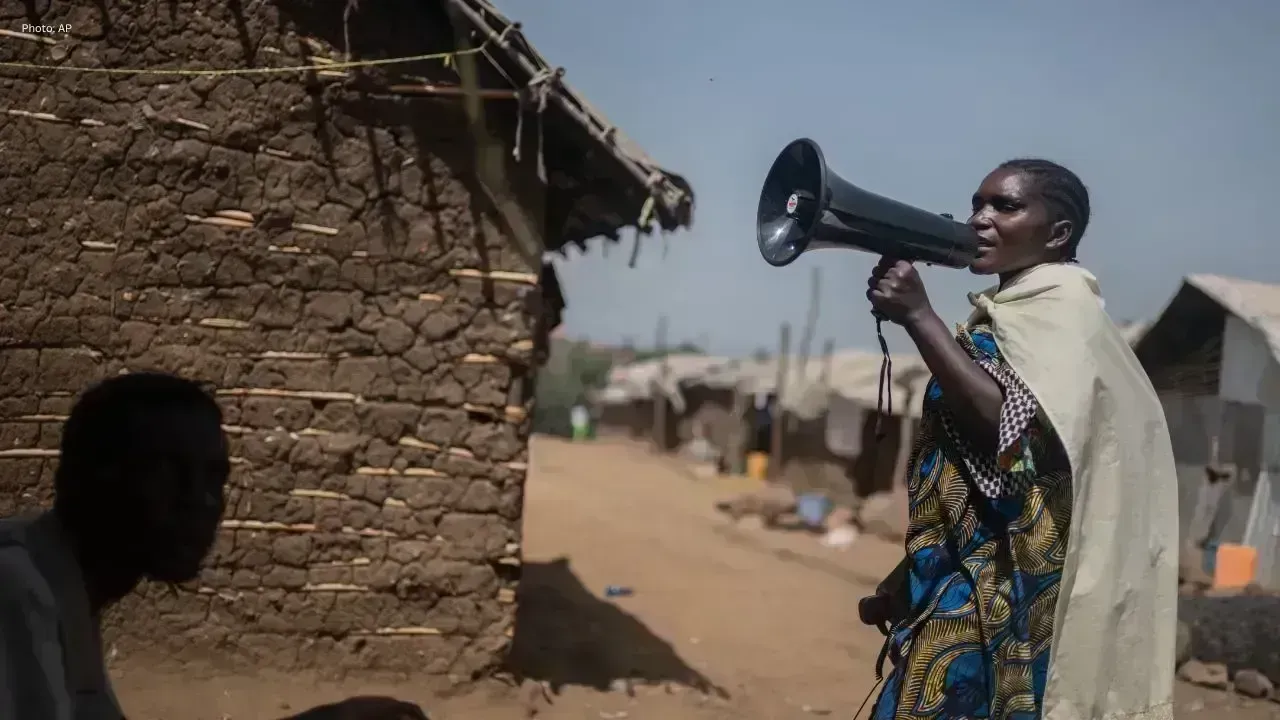
Health officials in the Democratic Republic of Congo have indicated that while the current Ebola outbreak is still classified as being in the “early stage,” the situation is rapidly evolving, with increasing reports of infections and suspected fatalities in the affected areas. In response, both local health authorities and international organizations are ramping up their emergency measures, driven by concerns that without swift action, the outbreak could further infiltrate central Africa.
The focus of this outbreak is primarily in Ituri Province, situated in the northeastern part of the DR Congo, where communities are grappling with ongoing violence, displacement issues, and a lack of adequate healthcare resources. As per data from the World Health Organization, suspected Ebola cases have surged in recent weeks, with estimates suggesting more than 900 suspected infections and over 220 suspected deaths associated with the current outbreak.
The outbreak is linked to the Bundibugyo strain of the Ebola virus, which is less common and currently lacks an approved vaccine or direct treatment options. This poses significant challenges, marking a stark contrast to prior Ebola outbreaks where vaccines were readily available. WHO representatives caution that the virus likely remained undetected for almost two months before being officially recognized, enabling it to spread unimpeded across multiple communities before proactive measures were put in place.
Despite the growing numbers, officials from the Congolese government maintain that the outbreak has yet to peak. Spokespersons highlighted that many of the recent cases are still pending investigation, and enhanced surveillance is helping identify infections more promptly. They emphasized that the increase in reported cases reflects improved detection systems rather than a full loss of control over the outbreak as more international assistance is mobilized.
The World Health Organization has classified the Ebola outbreak in both the DR Congo and its neighbor Uganda as a “Public Health Emergency of International Concern,” a designation reserved for critical situations. WHO officials expressed that the national risk within Congo is deemed “very high,” but they believe the risk of global spread remains low at this time.
Challenges persist for medical teams striving to manage the outbreak. Humanitarian organizations report issues such as a shortage of medical resources, limited hospital space, and rising distrust among local populations. In certain instances, health facilities and workers have faced hostility from residents reluctant to comply with quarantine measures, hindering emergency operations and complicating contact tracing efforts.
In a bid to counteract the outbreak, international organizations are swiftly broadening treatment capacities and preparing for potential experimental vaccines and medicines. The Christian aid group Samaritan’s Purse has recently disclosed plans to establish a 50-bed Ebola treatment facility in northeastern Congo within a matter of days. Additionally, researchers from various nations, including Russia, Britain, and India, are diligently working on vaccine development aimed at the Bundibugyo strain, though human testing will take time.
Transmission of the Ebola virus occurs through direct contact with bodily fluids from infected individuals or contaminated objects. Initial symptoms typically include fever, fatigue, and body aches, advancing to vomiting, diarrhea, and, in severe instances, bleeding—either internally or externally. Health authorities continue to advise individuals in affected regions to avoid unsafe burial practices, promptly report symptoms, and collaborate with health screening teams to mitigate spread.
Countries such as Canada and the United States have already bolstered travel monitoring and health screening measures in light of the outbreak. While no cases of Ebola have emerged in North America or Europe, governments globally remain vigilant as health agencies continuously monitor the evolving situation in central Africa.









PM Modi Pays Tribute to Mahatma Gandhi, Urges People to Support Khadi
PM Modi pays tribute to Mahatma Gandhi on Gandhi Jayanti and urges citizens to support Khadi and the

Amazon Seeks to Offload $8 Billion in Nvidia Chips to Investors
Amazon plans to move $8 billion in Nvidia chips to investors, using a new financing model to strengt

Samsung Raises Galaxy S26 Prices as Memory Chip Costs Rise
Samsung raises Galaxy S26 prices in South Korea as rising memory chip costs put pressure on smartpho

Lewis Hamilton Calls Singapore Grand Prix One of F1's Toughest Races
Lewis Hamilton discusses the demanding Singapore Grand Prix and brings Plus44 and Almave to Singapor

Denmark's Pandora Opens World's Largest Jewellery Factory in Vietnam
Pandora opens its largest jewellery factory in Vietnam, expanding global production, strengthening s

Gautam Gambhir Questions Batting-Friendly Pitches After India's Record ODI Chase
Gautam Gambhir questions batting-friendly ODI pitches after India’s record chase, calling for a bett

