
You have not yet added any article to your bookmarks!
Join 10k+ people to get notified about new posts, news and tips.
Do not worry we don't spam!
Post by : Shweta
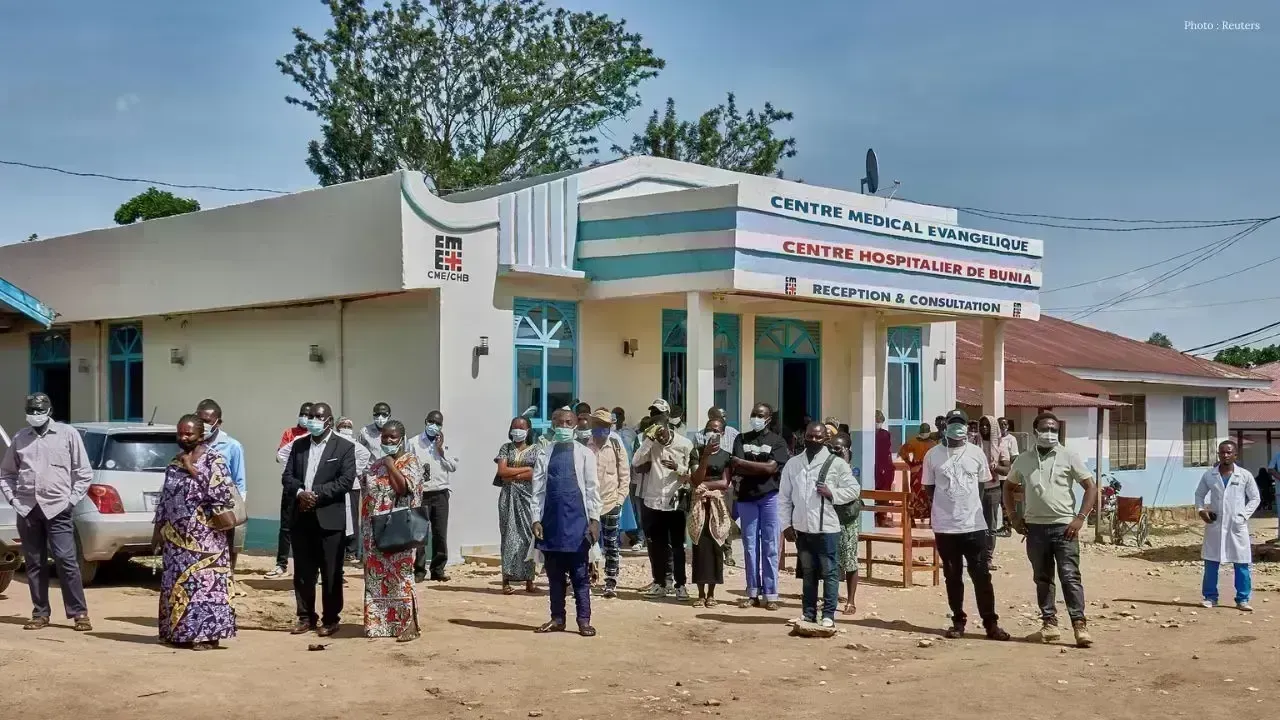
In a concerning development, the Democratic Republic of Congo (DRC) has officially reported over 300 confirmed cases of Ebola, marking one of the most critical outbreaks seen in recent years. As of June 1, statistics indicate that confirmed infections have risen to 321, with at least 48 fatalities attributed to the virus. Primarily centered in the eastern Ituri province, the outbreak has also reached North Kivu and South Kivu provinces, eliciting heightened worry among international health organizations over possible further spread.
The ongoing outbreak stems from the Bundibugyo strain of the Ebola virus, a rare variant lacking an authorized vaccine or specific treatment. Health professionals identify this aspect as a significant hurdle in efforts to control its spread. The World Health Organization (WHO) has categorized the situation as a Public Health Emergency of International Concern, denoting the most critical level of health alert. Officials caution that the outbreak may be larger than current figures suggest due to undetected cases during the initial transmission period.
Efforts to manage and contain the virus face substantial challenges. Eastern Congo is mired in armed conflict, population dislocation, and inadequacies in healthcare infrastructure, hampering medical teams in their ability to identify patients, trace contacts, and isolate those infected. WHO sources indicate that only a fraction of known contacts are under surveillance, further amplifying the risk of ongoing community transmission.
The outbreak has crossed into neighboring Uganda, which has reported Ebola cases tied to the Congolese outbreak, leading officials to enhance border security and monitoring practices. Several countries have also intensified health screenings for arrivals from affected regions. While global health experts affirm that the overall international risk remains manageable provided containment efforts improve, vigilance continues to be emphasized.
Amidst the rising case count, some positive signs have emerged. Several individuals, including healthcare workers, have recovered from the virus after receiving appropriate medical intervention. The WHO has established additional treatment centers and collaborated with global partners to bolster testing and emergency response efforts. Research initiatives are rapidly progressing to develop effective vaccines and treatments for the Bundibugyo strain, supported by funding from various global health entities.
This marks the 17th recorded Ebola outbreak in the Democratic Republic of Congo since the virus was first documented in 1976. While the nation has thrived in curtailing previous outbreaks, experts stress that the current circumstances remain dire due to the swift increase in confirmed cases and the complicated security landscape in impacted areas. Health authorities urge communities to report symptoms swiftly, cooperate with medical personnel, and adhere to public health directives to inhibit further transmission of the virus.










PM Modi Pays Tribute to Mahatma Gandhi, Urges People to Support Khadi
PM Modi pays tribute to Mahatma Gandhi on Gandhi Jayanti and urges citizens to support Khadi and the

Amazon Seeks to Offload $8 Billion in Nvidia Chips to Investors
Amazon plans to move $8 billion in Nvidia chips to investors, using a new financing model to strengt

Samsung Raises Galaxy S26 Prices as Memory Chip Costs Rise
Samsung raises Galaxy S26 prices in South Korea as rising memory chip costs put pressure on smartpho

Lewis Hamilton Calls Singapore Grand Prix One of F1's Toughest Races
Lewis Hamilton discusses the demanding Singapore Grand Prix and brings Plus44 and Almave to Singapor

Denmark's Pandora Opens World's Largest Jewellery Factory in Vietnam
Pandora opens its largest jewellery factory in Vietnam, expanding global production, strengthening s

Gautam Gambhir Questions Batting-Friendly Pitches After India's Record ODI Chase
Gautam Gambhir questions batting-friendly ODI pitches after India’s record chase, calling for a bett

