
You have not yet added any article to your bookmarks!
Join 10k+ people to get notified about new posts, news and tips.
Do not worry we don't spam!
Post by : Shweta
The World Health Organization (WHO) reports that while local areas affected by Ebola face a significant risk of the virus spreading, the chance of a wider global outbreak is currently low. Health officials are keeping a close watch on developments as containment measures ramp up to halt further infections in these regions.
The WHO highlights that the ongoing outbreak raises significant concerns locally due to the potential for transmission within communities and across healthcare facilities. However, international health experts believe that robust surveillance, border checks, and swift response strategies are effectively mitigating the odds of expansive international spread at this time.
Ebola is a severe viral illness transmitted through direct interaction with bodily fluids or contaminated surfaces. Symptoms can include fever, fatigue, vomiting, bleeding, and potential organ failure. Previous outbreaks in Africa have demonstrated the rapidity with which the disease can transmit if health systems are overwhelmed or if preventive actions are lacking.
According to WHO officials, local health entities are collaborating with international agencies to enhance testing protocols, isolate patients, trace contacts, and provide medical care in afflicted regions. Vaccination initiatives and emergency response teams have also been mobilized to curtail the outbreak and safeguard healthcare professionals and surrounding communities.
The organization has reiterated that, although the global risk remains low, countries are encouraged to sustain preparedness measures and vigilantly monitor travelers entering from affected regions. Health experts highlight that timely detection and immediate isolation of suspected cases are vital in preventing inter-country transmission.
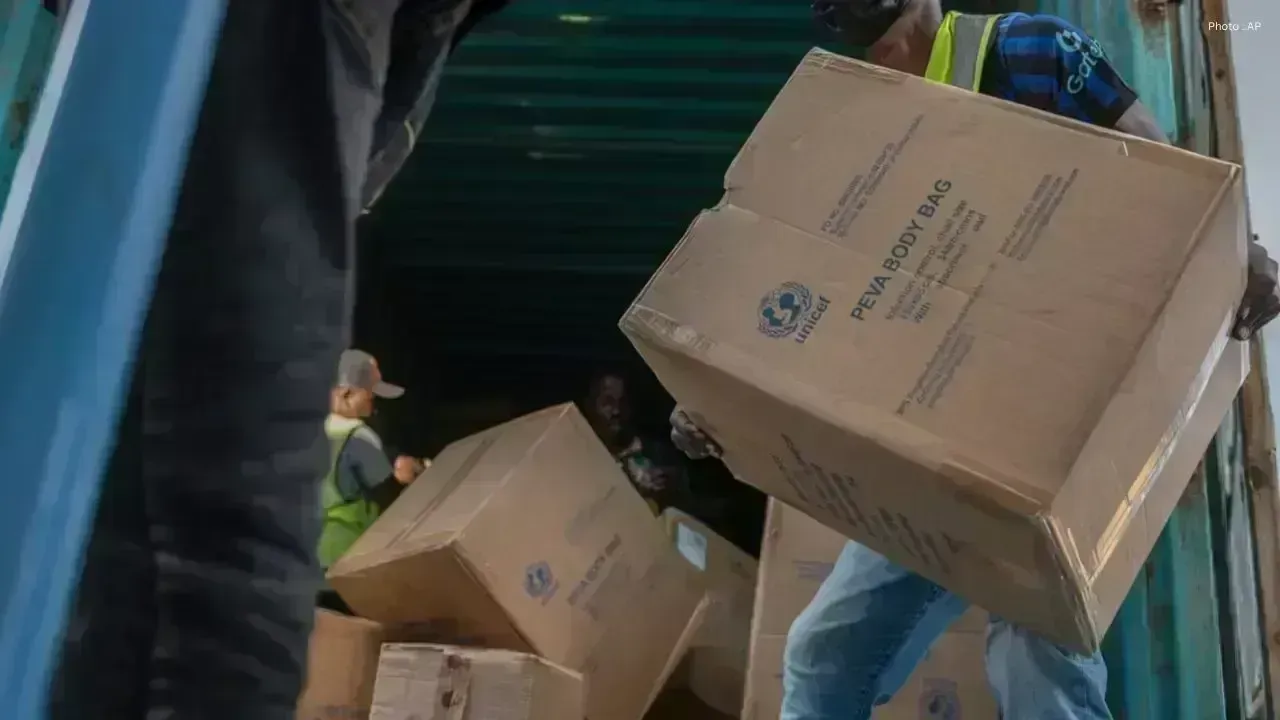
Various governments and global health organizations are collaborating to provide essential support for outbreak containment efforts, which include medical supplies, funding, laboratory resources, and emergency healthcare aid. Public health officials are also concentrating on community awareness initiatives to counter misinformation and promote prompt symptom reporting.
Experts have underscored that insights gleaned from earlier Ebola outbreaks and the COVID-19 pandemic have significantly enhanced international readiness and response protocols. Enhanced communication, fortified surveillance networks, and improved cooperation among countries facilitate a quicker response from health authorities to new outbreak scenarios.
Despite assurances of a low global risk, WHO officials assert that the circumstances remain critical in the affected regions and warrant ongoing global scrutiny. The organization urges nations to remain vigilant and bolster containment measures to prevent the outbreak from escalating.
Expectations are that health authorities will continue to provide updates as investigations, treatment initiatives, and monitoring efforts progress in the forthcoming weeks.










PM Modi Pays Tribute to Mahatma Gandhi, Urges People to Support Khadi
PM Modi pays tribute to Mahatma Gandhi on Gandhi Jayanti and urges citizens to support Khadi and the

Amazon Seeks to Offload $8 Billion in Nvidia Chips to Investors
Amazon plans to move $8 billion in Nvidia chips to investors, using a new financing model to strengt

Samsung Raises Galaxy S26 Prices as Memory Chip Costs Rise
Samsung raises Galaxy S26 prices in South Korea as rising memory chip costs put pressure on smartpho

Lewis Hamilton Calls Singapore Grand Prix One of F1's Toughest Races
Lewis Hamilton discusses the demanding Singapore Grand Prix and brings Plus44 and Almave to Singapor

Denmark's Pandora Opens World's Largest Jewellery Factory in Vietnam
Pandora opens its largest jewellery factory in Vietnam, expanding global production, strengthening s

Gautam Gambhir Questions Batting-Friendly Pitches After India's Record ODI Chase
Gautam Gambhir questions batting-friendly ODI pitches after India’s record chase, calling for a bett

