
You have not yet added any article to your bookmarks!
Join 10k+ people to get notified about new posts, news and tips.
Do not worry we don't spam!
Post by : Shweta
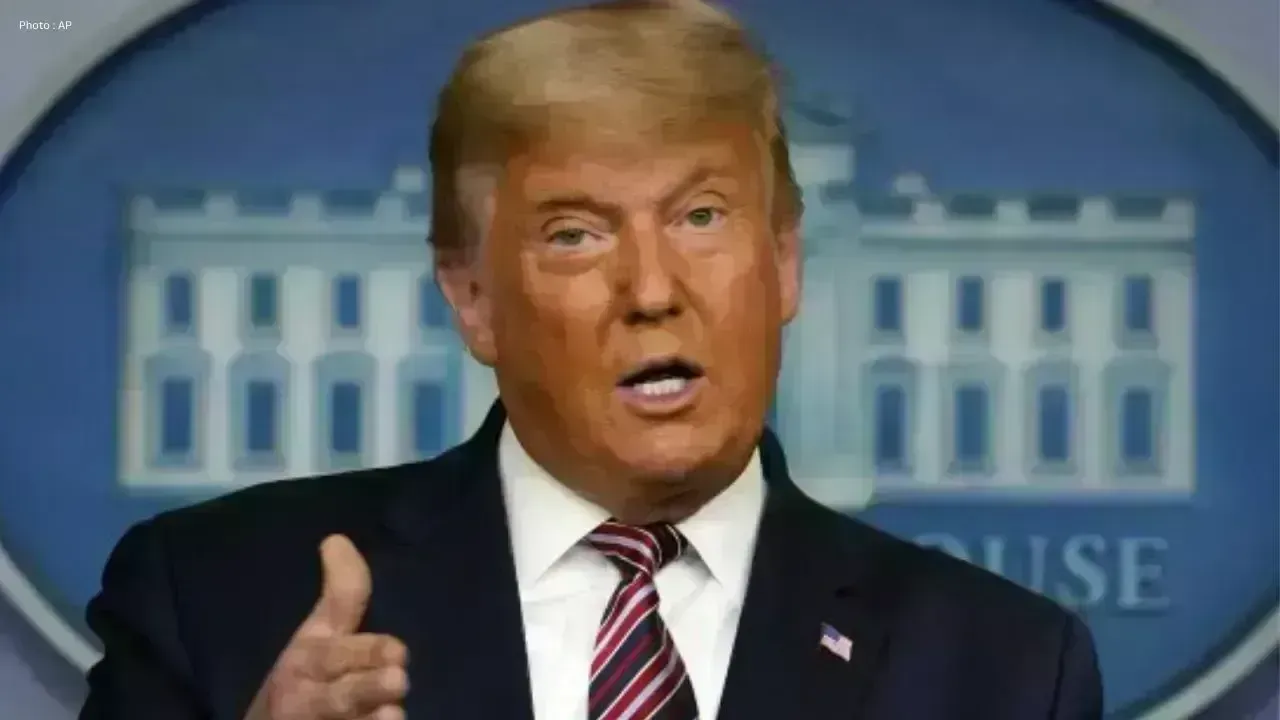
The Trump administration is under increasing scrutiny for its recent moves to exert federal oversight over U.S. elections, which have historically been managed at the state level. Reports indicate that various federal agencies, including the Department of Homeland Security, have requested access to sensitive voter information from multiple states, raising alarms over constitutional authority and state autonomy.
Traditionally, elections in the United States have been governed by state and local bodies rather than federal entities. However, the new requests for voter data and insights into voting systems signal a potential shift towards federal control. States like Ohio, Nevada, and Colorado have noted unexpected demands for confidential voter information such as registration data and voting habits.
Local election officials have reported that these demands often lack sufficient justification. For instance, in Franklin County, Ohio, officials received calls from alleged federal agents seeking immediate access to electoral data. While some officials have complied with these requests, they expressed concerns about the unclear motives behind them and the potential threats to voter privacy.
In defense of these actions, the administration claims they are aimed at safeguarding election integrity and mitigating voter fraud. A spokesperson mentioned that the focus is on ensuring only eligible voters are on the rolls. Yet, many legal experts argue that the fear of widespread voter fraud is unfounded and caution that such federal measures may erode public trust in elections.
President Trump has actively backed measures to expand federal presence in electoral processes, advocating for standardized voting regulations, stricter ID requirements, and federal verification of voter eligibility. Critics argue this encroaches on states’ rights and jeopardizes established voting practices.
As local authorities brace for intensified federal involvement, some jurisdictions are now engaging legal counsel, enhancing security measures, and training personnel to navigate federal inquiries. In states like Colorado and South Carolina, electoral officials participate in workshops to strategize for possible encounters with federal representatives during elections.
This evolving situation fosters apprehension among election workers. Reports indicate some officials have faced intimidation or public backlash tied to allegations surrounding elections. Experts warn that the ongoing discord between federal and state officials could significantly influence the administration of upcoming elections, particularly in highly contested areas.
Overall, the Trump administration’s initiatives seem to be part of a broader tactic to push legal limits on a state-by-state front. While supporters argue this increases election security, detractors fear it could politicize the electoral process and diminish trust in democratic institutions.










PM Modi Pays Tribute to Mahatma Gandhi, Urges People to Support Khadi
PM Modi pays tribute to Mahatma Gandhi on Gandhi Jayanti and urges citizens to support Khadi and the

Amazon Seeks to Offload $8 Billion in Nvidia Chips to Investors
Amazon plans to move $8 billion in Nvidia chips to investors, using a new financing model to strengt

Samsung Raises Galaxy S26 Prices as Memory Chip Costs Rise
Samsung raises Galaxy S26 prices in South Korea as rising memory chip costs put pressure on smartpho

Lewis Hamilton Calls Singapore Grand Prix One of F1's Toughest Races
Lewis Hamilton discusses the demanding Singapore Grand Prix and brings Plus44 and Almave to Singapor

Denmark's Pandora Opens World's Largest Jewellery Factory in Vietnam
Pandora opens its largest jewellery factory in Vietnam, expanding global production, strengthening s

Gautam Gambhir Questions Batting-Friendly Pitches After India's Record ODI Chase
Gautam Gambhir questions batting-friendly ODI pitches after India’s record chase, calling for a bett

