
You have not yet added any article to your bookmarks!
Join 10k+ people to get notified about new posts, news and tips.
Do not worry we don't spam!
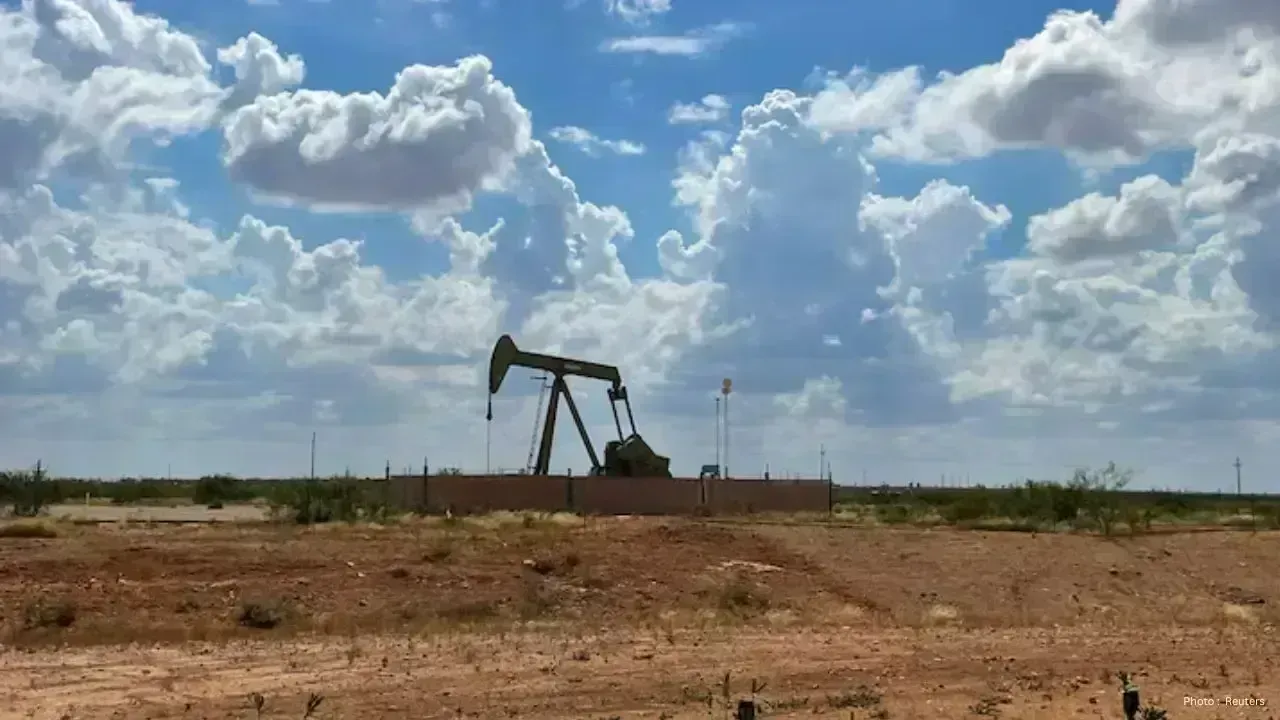
Post by : Saif Rahman
Global oil prices surged after a drone attack occurred near the Barakah nuclear power station in the United Arab Emirates, igniting fresh fears about security in the Middle East. Investors reacted with apprehension in energy markets, concerned about potential threats to oil supply and regional stability.
The strike reportedly ignited a fire, yet UAE officials quickly managed to control the situation, confirming there were no injuries, no radiation leaks, and no significant damage to the facility.
Despite the minimal physical impact, the news reverberated through international oil markets, as traders reacted swiftly due to the Gulf’s significance as a major oil production and export hub.
In the aftermath, global crude oil prices rose sharply as investors expressed worries that increased regional tensions could provoke broader conflicts or disrupt energy transportation routes.
The Middle East is vital in supplying oil globally, and any military action or political unrest often leads to market uncertainties. Both investors and energy corporations keenly monitor these developments, knowing that even minor disruptions can have far-reaching effects on fuel costs worldwide.
Particularly concerning is the Strait of Hormuz, a crucial shipping lane for transporting oil from Gulf nations to international markets. Escalating tensions in this area could lead to delays or interruptions in oil supply chains.
Market analysts note that oil markets typically respond promptly to geopolitical threats. Investors tend to act cautiously during such uncertainties, which can drive crude prices upward even before tangible supply shortages materialize.
Higher oil prices have a direct impact on everyday consumers globally. An increase in crude costs usually translates to higher transportation expenses, affecting fuel, food delivery, travel, and other daily necessities.
Countries reliant on imported oil may experience heightened economic strain if prices persist in rising; developing nations are especially vulnerable, as rapid inflation can follow suit.
The latest attack underscores the escalating use of drones in contemporary conflicts, targeting crucial infrastructure from power plants to ports. Security specialists warn that such developments present new challenges for governments in safeguarding essential national assets.
This incident emerges amidst already elevated tensions in the Middle East, with political strife and military threats involving multiple regional players amplifying concerns about possible instability.
Financial markets reacted with caution following the event, as investors worry prolonged conflict in the Gulf could hinder economic growth and elevate global inflation rates.
Some analysts suggest that prices may stabilize if further assaults do not occur. Nevertheless, the uncertainty remains high, prompting traders to monitor ongoing developments closely.
The incident vividly illustrates how interconnected global economies are with Middle Eastern events. A singular security episode in a sensitive zone can swiftly shape oil prices, business operations, transport systems, and household expenditures around the world.
#Energy #Oil Prices Surge #Oil Market #Energy Innovation #Fuel Prices










PM Modi Pays Tribute to Mahatma Gandhi, Urges People to Support Khadi
PM Modi pays tribute to Mahatma Gandhi on Gandhi Jayanti and urges citizens to support Khadi and the

Amazon Seeks to Offload $8 Billion in Nvidia Chips to Investors
Amazon plans to move $8 billion in Nvidia chips to investors, using a new financing model to strengt

Samsung Raises Galaxy S26 Prices as Memory Chip Costs Rise
Samsung raises Galaxy S26 prices in South Korea as rising memory chip costs put pressure on smartpho

Lewis Hamilton Calls Singapore Grand Prix One of F1's Toughest Races
Lewis Hamilton discusses the demanding Singapore Grand Prix and brings Plus44 and Almave to Singapor

Denmark's Pandora Opens World's Largest Jewellery Factory in Vietnam
Pandora opens its largest jewellery factory in Vietnam, expanding global production, strengthening s

Gautam Gambhir Questions Batting-Friendly Pitches After India's Record ODI Chase
Gautam Gambhir questions batting-friendly ODI pitches after India’s record chase, calling for a bett

