
You have not yet added any article to your bookmarks!
Join 10k+ people to get notified about new posts, news and tips.
Do not worry we don't spam!
Post by : Badri Ariffin
Recent skirmishes between the United States and Iran in the Strait of Hormuz have raised alarms regarding the fragile month-long ceasefire, escalating concerns about regional stability. Nevertheless, both countries have indicated they are not looking for further conflict.
Iran’s military has alleged that US forces targeted two ships entering the critical waterway and executed airstrikes on Iranian soil. Claims from Iran stated that these strikes affected civilian areas on Qeshm Island and adjacent coastal locations such as Bandar Khamir and Sirik.
In retaliation, Iran asserted that its military hit US vessels located to the east of the Strait of Hormuz, near Chabahar. According to Iran’s Khatam al-Anbiya Central Headquarters, the attacks resulted in “significant damage” to US assets.
In contrast, US Central Command (CENTCOM) denied any losses, stating that no US naval vessels were struck. They confirmed that Iran launched an array of missiles, drones, and small boats targeting three of its Navy destroyers.
CENTCOM confirmed the US military's response involved targeting Iranian missile sites and drone infrastructure to prevent escalation, although they reiterated their commitment to safeguarding forces in the region.
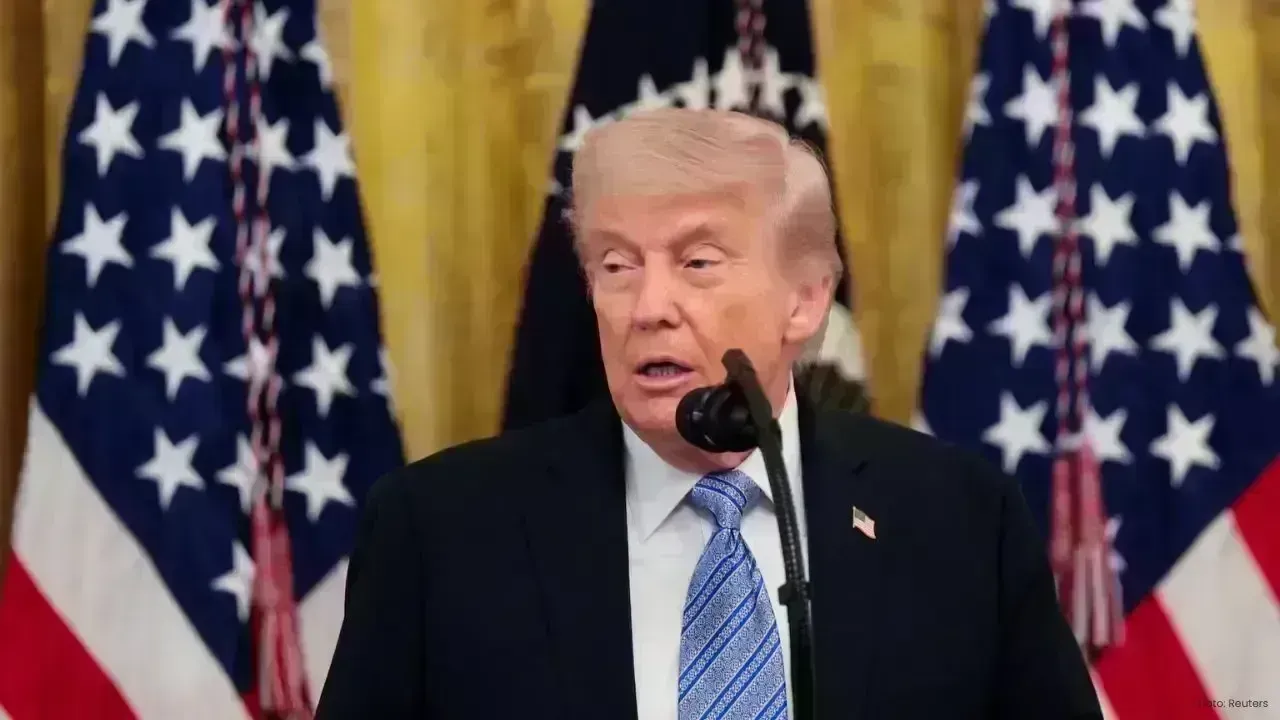
US President Donald Trump minimized the severity of the clashes, maintaining that the ceasefire holds.
“They trifled with us today. We blew them away,” Trump remarked to reporters at the Lincoln Memorial in Washington.
Following the exchange, Iranian media reported that calm had returned after several hours of conflict in and around the Strait of Hormuz.
This incident transpires as the US awaits Tehran's response to a proposal intended to formally conclude the ongoing dispute. The draft reportedly leaves key issues, including Iran's nuclear ambitions and the reopening of the Strait of Hormuz, unresolved.
Prior to these tensions, nearly 20% of the globe’s oil and gas traversed the Strait of Hormuz, affirming its geopolitical significance.
Trump confirmed that discussions with Iran are still underway and urged that Tehran has conceded it would not gain permission to develop nuclear armament.
“There’s zero chance, and they know it, and they’ve agreed to that,” he stated concerning the proposed arrangements.
Despite the escalating tensions, both parties have signaled a continued willingness to engage in diplomatic dialogue, although the pathway to a conclusive agreement remains uncertain.










PM Modi Pays Tribute to Mahatma Gandhi, Urges People to Support Khadi
PM Modi pays tribute to Mahatma Gandhi on Gandhi Jayanti and urges citizens to support Khadi and the

Amazon Seeks to Offload $8 Billion in Nvidia Chips to Investors
Amazon plans to move $8 billion in Nvidia chips to investors, using a new financing model to strengt

Samsung Raises Galaxy S26 Prices as Memory Chip Costs Rise
Samsung raises Galaxy S26 prices in South Korea as rising memory chip costs put pressure on smartpho

Lewis Hamilton Calls Singapore Grand Prix One of F1's Toughest Races
Lewis Hamilton discusses the demanding Singapore Grand Prix and brings Plus44 and Almave to Singapor

Denmark's Pandora Opens World's Largest Jewellery Factory in Vietnam
Pandora opens its largest jewellery factory in Vietnam, expanding global production, strengthening s

Gautam Gambhir Questions Batting-Friendly Pitches After India's Record ODI Chase
Gautam Gambhir questions batting-friendly ODI pitches after India’s record chase, calling for a bett

