
You have not yet added any article to your bookmarks!
Join 10k+ people to get notified about new posts, news and tips.
Do not worry we don't spam!
Post by : Shakul
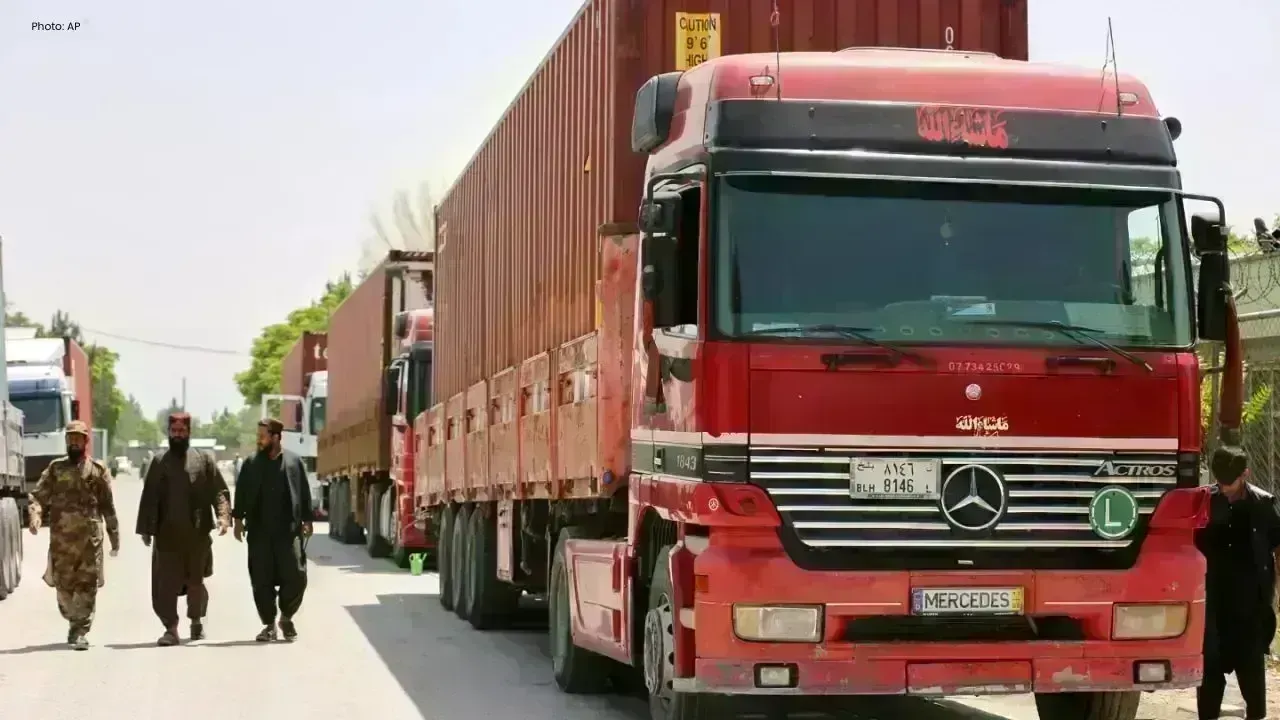
Afghanistan is facing a major trade and humanitarian crisis after the closure of key trade routes through Pakistan and Iran severely disrupted the country’s imports and aid supply chains. The worsening situation around the Strait of Hormuz has stranded hundreds of ships and blocked critical shipping access for Afghan businesses and humanitarian organizations.
The crisis began after tensions and fighting between Afghanistan and Pakistan led to the closure of major border crossings late last year. Afghan traders and aid agencies then shifted their cargo operations toward Iran’s Bandar Abbas port as an alternative route to Pakistan’s Karachi port. However, the conflict around the Strait of Hormuz soon disrupted that option as well.
The closure of the sea route has created serious problems for the United Nations World Food Programme and other humanitarian groups operating in Afghanistan. Aid organizations say transportation costs have sharply increased while food and nutritional supplies meant for mothers and children are running dangerously low across several regions of the country.
The World Food Programme revealed that many nutritional supplements for malnourished women and children had already run out by mid-April. The agency had earlier rerouted supplies through Dubai and Iran after the Pakistan border closure, but worsening regional tensions and restrictions around Iranian ports have now blocked that path too.
Humanitarian agencies are currently forced to move goods through long and expensive land routes across Central Asia. Aid shipments are now travelling through multiple countries including Saudi Arabia, Jordan, Turkey, Georgia, Azerbaijan, and Turkmenistan before finally reaching Afghanistan. Some deliveries have remained stuck for nearly three months during transportation.
Afghan traders and importers say their businesses are suffering heavy losses due to rising shipping expenses and delayed cargo. Many containers carrying electronics, machinery, and construction equipment from China remain stranded at sea or blocked along transport corridors. Several business owners fear bankruptcy if trade routes are not restored soon.
According to logistics companies, the cost of transporting goods has increased dramatically since the crisis began. Shipping container prices that previously ranged between $3,000 and $3,600 have now crossed $7,000 and in some cases even reached $11,000. Some Afghan traders say delivery charges for electronic goods have increased almost ten times compared to previous rates.
Despite the worsening situation, Afghan officials say overall price increases inside the country have remained relatively limited due to growing trade links with Central Asian countries, Russia, China, and Turkey. More than 60 percent of Afghanistan’s trade is now reportedly being conducted through Central Asian routes to reduce dependence on Pakistan and Iran.
Experts warn that if the Strait of Hormuz crisis and regional border tensions continue for a longer period, Afghanistan could face deeper economic pressure, higher inflation, and serious humanitarian shortages. Aid organizations are calling for urgent international cooperation to reopen supply routes and ensure food and medical assistance reaches millions of vulnerable Afghans.










PM Modi Pays Tribute to Mahatma Gandhi, Urges People to Support Khadi
PM Modi pays tribute to Mahatma Gandhi on Gandhi Jayanti and urges citizens to support Khadi and the

Amazon Seeks to Offload $8 Billion in Nvidia Chips to Investors
Amazon plans to move $8 billion in Nvidia chips to investors, using a new financing model to strengt

Samsung Raises Galaxy S26 Prices as Memory Chip Costs Rise
Samsung raises Galaxy S26 prices in South Korea as rising memory chip costs put pressure on smartpho

Lewis Hamilton Calls Singapore Grand Prix One of F1's Toughest Races
Lewis Hamilton discusses the demanding Singapore Grand Prix and brings Plus44 and Almave to Singapor

Denmark's Pandora Opens World's Largest Jewellery Factory in Vietnam
Pandora opens its largest jewellery factory in Vietnam, expanding global production, strengthening s

Gautam Gambhir Questions Batting-Friendly Pitches After India's Record ODI Chase
Gautam Gambhir questions batting-friendly ODI pitches after India’s record chase, calling for a bett

