
You have not yet added any article to your bookmarks!
Join 10k+ people to get notified about new posts, news and tips.
Do not worry we don't spam!
Post by : Badri Ariffin
In a pivotal development, Iran has announced the reopening of the Strait of Hormuz for commercial shipping, marking a temporary reduction in regional tensions during an ongoing ceasefire phase.
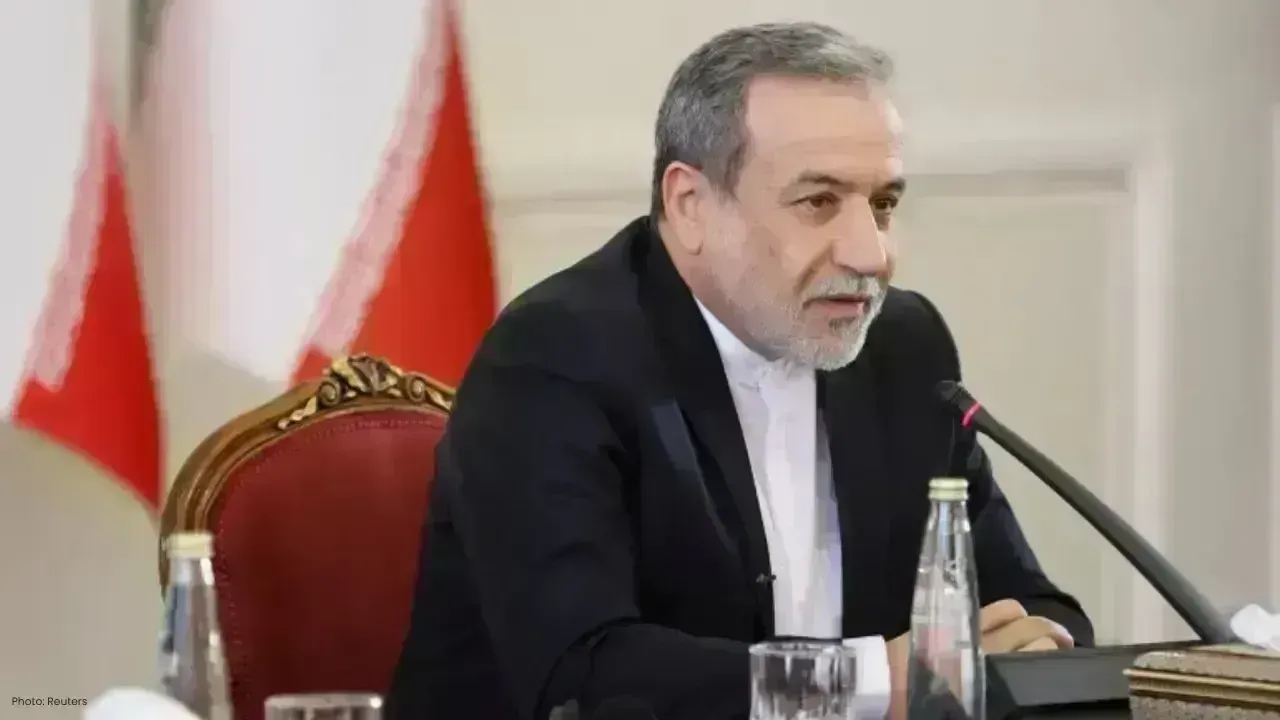
Iran's Foreign Minister Abbas Araghchi stated that all commercial vessels are permitted to transit through this crucial maritime route. However, movement will be regulated, as ships must adhere to designated paths sanctioned by Iran’s maritime officials.
This reopening occurs concurrently with a fragile 10-day ceasefire between Israel and Lebanon, raising questions about Hezbollah's commitment to the agreement.
Oil Market Reaction
Immediately following the announcement, global oil markets reacted strongly.
Brent crude fell to $87.94 per barrel
US crude dropped to $83.33 per barrel
This decline signifies reduced concerns over potential disruptions to supply through the Strait, which facilitates nearly 20% of global oil and gas transit.
US Response and Continued Pressure
US President Donald Trump affirmed that the Strait is now “open and ready for business,” but reiterated that the US naval blockade on Iran remains effective until a broader agreement is reached.
He also claimed that Iran has committed not to utilize the Strait as a geopolitical leverage point in the future, although no independent verification of this accord has surfaced.
Despite the reopening, Iran has stressed that only non-military ships will be permitted to transit, and all movements must receive approval from its naval forces.
Conflict History and Present Context
The ongoing contention between the US, Israel, and Iran, which escalated on February 28, has resulted in over 3,000 casualties. At the height of tensions, Iran blocked the Strait, inciting global alarm regarding energy supply stability.
In retaliation, the US enforced a naval blockade on Iranian ports following unsuccessful diplomatic efforts.
Signals of Diplomacy and Prospects for Peace
Trump indicated that a resolution to the conflict is “very close,” with no significant hindrances remaining. Ongoing discussions reportedly involve measures concerning Iran’s nuclear program, although Tehran denies any engagement regarding the transfer of enriched uranium.
Developments on Lebanese Ceasefire
Trump also remarked that Israel has been requested to cease aerial bombardments in Lebanon. While significant airstrikes have not been reported recently, limited military actions, including artillery fire in southern Lebanon, continue to emerge.
Analysts suggest that while this ceasefire represents a positive step, the prospects for a durable peace remain uncertain. Nevertheless, continuous diplomatic efforts may eventually foster greater stability in the region.










PM Modi Pays Tribute to Mahatma Gandhi, Urges People to Support Khadi
PM Modi pays tribute to Mahatma Gandhi on Gandhi Jayanti and urges citizens to support Khadi and the

Amazon Seeks to Offload $8 Billion in Nvidia Chips to Investors
Amazon plans to move $8 billion in Nvidia chips to investors, using a new financing model to strengt

Samsung Raises Galaxy S26 Prices as Memory Chip Costs Rise
Samsung raises Galaxy S26 prices in South Korea as rising memory chip costs put pressure on smartpho

Lewis Hamilton Calls Singapore Grand Prix One of F1's Toughest Races
Lewis Hamilton discusses the demanding Singapore Grand Prix and brings Plus44 and Almave to Singapor

Denmark's Pandora Opens World's Largest Jewellery Factory in Vietnam
Pandora opens its largest jewellery factory in Vietnam, expanding global production, strengthening s

Gautam Gambhir Questions Batting-Friendly Pitches After India's Record ODI Chase
Gautam Gambhir questions batting-friendly ODI pitches after India’s record chase, calling for a bett

