
You have not yet added any article to your bookmarks!
Join 10k+ people to get notified about new posts, news and tips.
Do not worry we don't spam!
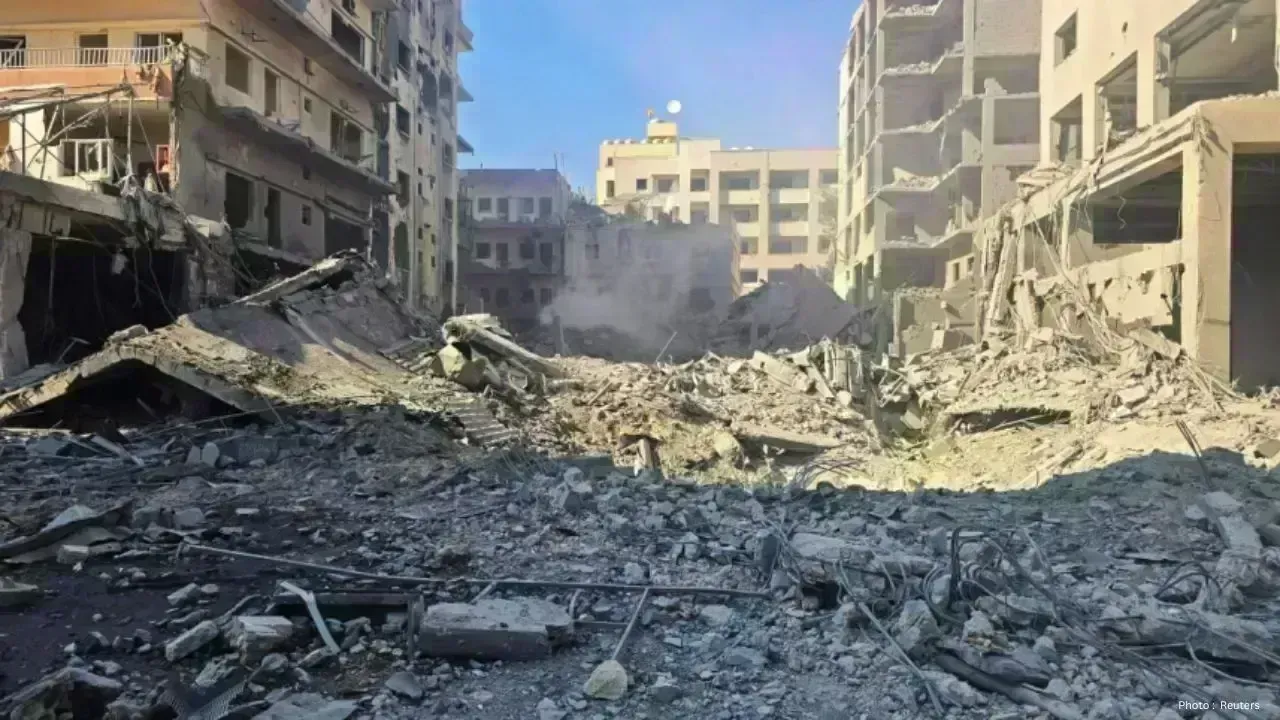
Post by : Saif Rahman
Tensions between the United States and Iran have surged as American forces executed airstrikes on military-related installations in Iran. This action has sparked a counter-response from Tehran, which retaliated by targeting a military air base associated with U.S. operations. The situations pose rising concerns about the potential for an intensified regional conflict.
This latest military action marks a significant turning point in relations between the two nations. The U.S. government justified its strikes as necessary measures against facilities posing threats to regional security, aimed at safeguarding American personnel and strategic interests.
In turn, Iran launched an assault on American-linked air facilities, labeling their actions as a defensive maneuver against foreign aggression. This exchange epitomizes the enduring tensions that have fraught U.S.-Iran relations over the years.
Long-standing issues such as differing security images and regional ambitions have created a precarious relationship. Although diplomatic dialogues have occasionally alleviated tensions, many critical disputes linger unresolved. The latest military skirmish showcases how swiftly the situation can deteriorate following retaliatory engagements.
The implications of these developments reach farther than just the two countries. Neighboring nations across the Middle East are closely watching the escalating hostilities, fearful that any conflict could destabilize the region and heighten their own security challenges.
Global energy markets are similarly on high alert, recognizing the Middle East's vital role in oil supply and movement. Disruptions to key shipping lanes or energy infrastructures can significantly shift fuel prices and create economic uncertainty worldwide.
Financial markets appeared cautious as investors weigh the potential for escalating tensions. Typically, periods marked by geopolitical instability heighten concerns regarding economic growth, trade, and foreign investment, affecting businesses engaged in the region.
Humanitarian impacts remain a pressing concern. Any military confrontation poses risks to civilian populations, robs infrastructure, and compounds long-term economic issues. International actors have repeatedly called for measures to protect civilians and prevent actions that might escalate tensions further.
Diplomatic initiatives are anticipated to continue as global leaders press for de-escalation. Governments worldwide urge restraint and foster dialogue among the involved parties. While significant differences persist, diplomacy remains a crucial avenue for mitigating risks and enhancing stability.
This recent exchange between the U.S. and Iran is a stark reminder of the fragile security landscape in the Middle East. The cycle of military engagement and retaliation can swiftly create instability and raise fears about broader repercussions. As the scenario evolves, the emphasis will continue to be on whether diplomatic efforts can avert further escalation and promote long-term regional peace.
#Middle East #Middle East Crisis #Middle East Conflict #Israel war










PM Modi Pays Tribute to Mahatma Gandhi, Urges People to Support Khadi
PM Modi pays tribute to Mahatma Gandhi on Gandhi Jayanti and urges citizens to support Khadi and the

Amazon Seeks to Offload $8 Billion in Nvidia Chips to Investors
Amazon plans to move $8 billion in Nvidia chips to investors, using a new financing model to strengt

Samsung Raises Galaxy S26 Prices as Memory Chip Costs Rise
Samsung raises Galaxy S26 prices in South Korea as rising memory chip costs put pressure on smartpho

Lewis Hamilton Calls Singapore Grand Prix One of F1's Toughest Races
Lewis Hamilton discusses the demanding Singapore Grand Prix and brings Plus44 and Almave to Singapor

Denmark's Pandora Opens World's Largest Jewellery Factory in Vietnam
Pandora opens its largest jewellery factory in Vietnam, expanding global production, strengthening s

Gautam Gambhir Questions Batting-Friendly Pitches After India's Record ODI Chase
Gautam Gambhir questions batting-friendly ODI pitches after India’s record chase, calling for a bett

