
You have not yet added any article to your bookmarks!
Join 10k+ people to get notified about new posts, news and tips.
Do not worry we don't spam!
Post by : Shakul
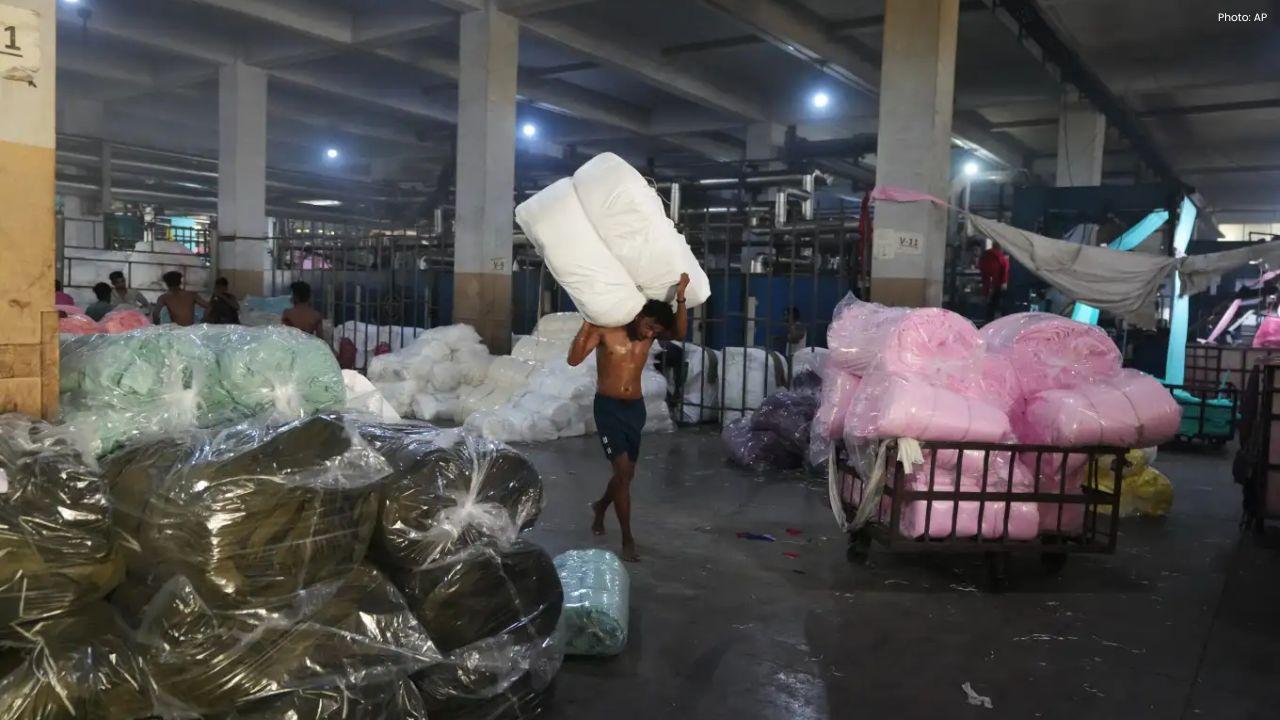
Workers in India's textile manufacturing hub of Surat are struggling with extreme heat and humidity as climate change continues to push temperatures higher. Inside textile factories, conditions become even more difficult because of steam-producing machines, hot equipment and poor ventilation. Employees say the heat often leaves them exhausted during long work shifts.
Factory Conditions Becoming More Difficult
Textile factories use large industrial machines for drying, dyeing and processing fabrics. These machines generate significant amounts of heat, making indoor temperatures much higher than outside conditions. Workers spend up to 12 hours a day near these machines while dealing with hot air, steam and chemical fumes.
Cooling Systems Offer Limited Relief
Many factory owners have installed fans, exhaust systems and evaporative coolers to improve working conditions. Some factories have also introduced ventilation ducts that circulate cooler air across production floors. However, workers say these measures provide only temporary relief, especially during peak summer temperatures.
Health Concerns Growing Among Workers
Experts warn that prolonged exposure to heat and humidity can lead to dehydration, dizziness, headaches and even heat-related illnesses. Researchers also say long-term exposure may increase the risk of respiratory and kidney problems. Workers report feeling weak and fatigued during shifts despite the presence of cooling equipment.
Climate Change Intensifies the Problem
Climate experts note that Surat is experiencing longer summers and rising temperatures due to climate change. Industrial facilities that rely on steam and hot water systems are particularly vulnerable. Studies show that millions of workers across India are already affected by heat stress, making workplace adaptation increasingly important.
Economic Pressures Slow Investments
Factory owners face additional challenges from global economic uncertainty, supply chain disruptions and rising production costs. Many businesses say they have limited resources to invest in advanced cooling technologies. Labor shortages have also emerged as some workers return to their hometowns rather than continue working in extreme conditions.
Need for Better Workplace Solutions
Industry experts believe improved ventilation, machine insulation and stronger worker protection policies can help reduce heat exposure. While some factories have started adopting these measures, many workers continue to face harsh conditions daily. For thousands of families that depend on factory jobs, leaving work is not an option despite the growing heat risks.










PM Modi Pays Tribute to Mahatma Gandhi, Urges People to Support Khadi
PM Modi pays tribute to Mahatma Gandhi on Gandhi Jayanti and urges citizens to support Khadi and the

Amazon Seeks to Offload $8 Billion in Nvidia Chips to Investors
Amazon plans to move $8 billion in Nvidia chips to investors, using a new financing model to strengt

Samsung Raises Galaxy S26 Prices as Memory Chip Costs Rise
Samsung raises Galaxy S26 prices in South Korea as rising memory chip costs put pressure on smartpho

Lewis Hamilton Calls Singapore Grand Prix One of F1's Toughest Races
Lewis Hamilton discusses the demanding Singapore Grand Prix and brings Plus44 and Almave to Singapor

Denmark's Pandora Opens World's Largest Jewellery Factory in Vietnam
Pandora opens its largest jewellery factory in Vietnam, expanding global production, strengthening s

Gautam Gambhir Questions Batting-Friendly Pitches After India's Record ODI Chase
Gautam Gambhir questions batting-friendly ODI pitches after India’s record chase, calling for a bett

