
You have not yet added any article to your bookmarks!
Join 10k+ people to get notified about new posts, news and tips.
Do not worry we don't spam!
Post by : Shweta
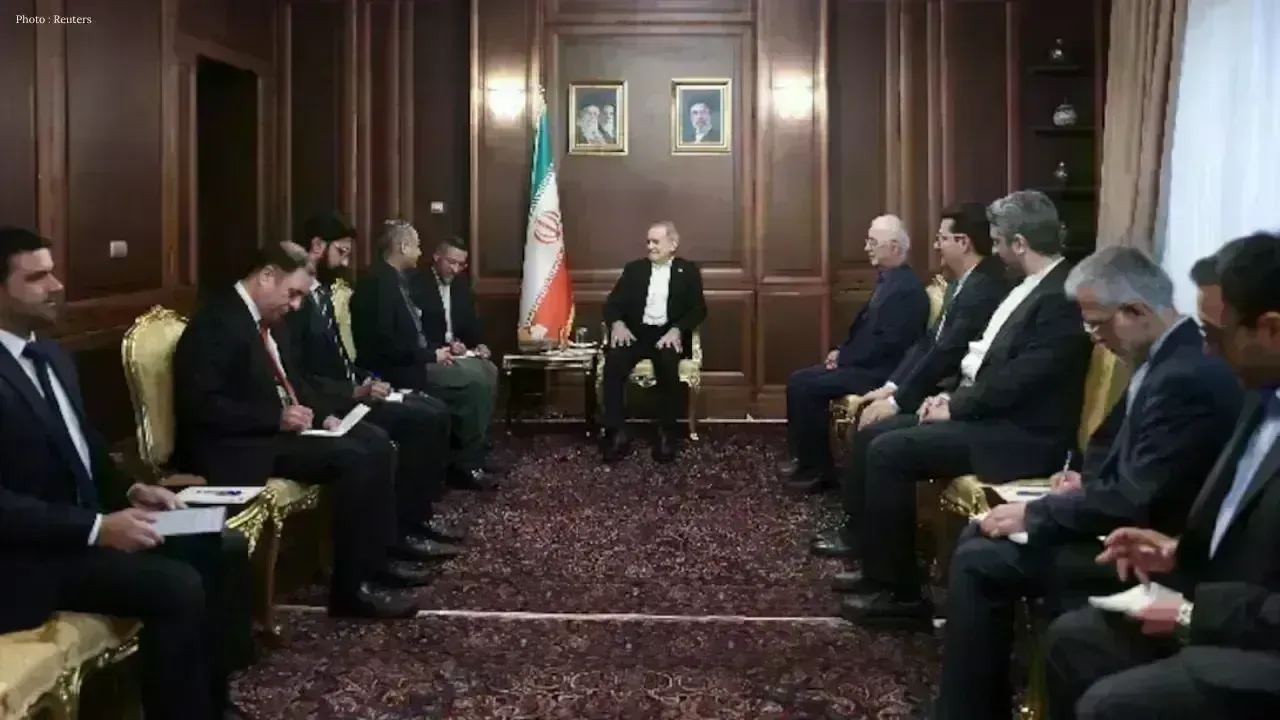
Efforts between the United States and Iran are intensifying towards a potential 60-day ceasefire agreement, aiming to de-escalate nearly three months of military hostilities in the region. This proposal is being shaped through indirect talks facilitated by regional mediators, with officials labeling it as one of the crucial diplomatic moves since the onset of conflict earlier this year.
Reports indicate that the central aim of the proposal revolves around extending the existing ceasefire for an additional 60 days while both nations engage in dialogue concerning broader political and security matters. A key focus remains the reopening of the Strait of Hormuz, a vital global shipping lane essential for the transport of a significant volume of the world's oil exports. The ongoing conflict has severely disrupted this waterway, raising alarms over potential global energy shortages and surging fuel prices.
Under the proposed framework, Iran is expected to permit unobstructed access for commercial vessels through the Strait of Hormuz and to dismantle naval mines that were laid during the hostilities. In exchange, the United States may consider a relaxation of certain economic sanctions, offering limited sanctions relief and lessened pressure on Iranian trade routes and oil shipments. There are also discussions regarding the unfreezing of some Iranian financial assets subjected to international sanctions.
Additionally, Iran's nuclear agenda is a significant aspect of the negotiations. American officials are pushing for Iran to halt the production of highly enriched uranium and to adhere to stringent monitoring protocols during the negotiation span. Some reports suggest that Iran may contemplate reducing or entirely removing portions of its enriched uranium reserves as a measure of confidence-building. Nonetheless, Iranian representatives insist on the recognition of their rights to a peaceful nuclear program.
Support from regional nations, including Pakistan, Qatar, Saudi Arabia, Turkey, Egypt, and the UAE, has been instrumental in these dialogues. Pakistan, in particular, has reportedly facilitated communication avenues between Washington and Tehran. Preliminary phases of the potential agreement might initiate with a temporary ceasefire before progressively transitioning into comprehensive discussions on enduring peace and regional safety.
However, substantial disagreements linger. Iran has publicly rebuffed claims of a finalized agreement, while US officials acknowledge that presidential approval is needed for the proposal to be actualized. Political pressures within the United States are escalating, with some Republican leaders condemning any arrangement that could yield sanctions alleviation for Tehran.
This proposal surfaces amidst escalating military activities, involving US strikes, Iranian missile responses, and heightened naval tensions in the Gulf, heightening fears of an extensive Middle Eastern conflict. Global oil markets are particularly sensitive to developments in these negotiations, given the Strait of Hormuz's pivotal role in energy transit. Recent updates hinting at possible diplomatic strides have already seen oil prices slightly dip in international markets.
Experts predict that the upcoming days could prove pivotal for the region's future. Should both nations embrace the 60-day proposal, it may pave the way for prolonged discussions on sanctions, nuclear limits, regional disputes, and economic wellbeing. Nonetheless, the precarious nature of ongoing military actions or political rifts could derail these fragile talks at any moment.










PM Modi Pays Tribute to Mahatma Gandhi, Urges People to Support Khadi
PM Modi pays tribute to Mahatma Gandhi on Gandhi Jayanti and urges citizens to support Khadi and the

Amazon Seeks to Offload $8 Billion in Nvidia Chips to Investors
Amazon plans to move $8 billion in Nvidia chips to investors, using a new financing model to strengt

Samsung Raises Galaxy S26 Prices as Memory Chip Costs Rise
Samsung raises Galaxy S26 prices in South Korea as rising memory chip costs put pressure on smartpho

Lewis Hamilton Calls Singapore Grand Prix One of F1's Toughest Races
Lewis Hamilton discusses the demanding Singapore Grand Prix and brings Plus44 and Almave to Singapor

Denmark's Pandora Opens World's Largest Jewellery Factory in Vietnam
Pandora opens its largest jewellery factory in Vietnam, expanding global production, strengthening s

Gautam Gambhir Questions Batting-Friendly Pitches After India's Record ODI Chase
Gautam Gambhir questions batting-friendly ODI pitches after India’s record chase, calling for a bett

