
You have not yet added any article to your bookmarks!
Join 10k+ people to get notified about new posts, news and tips.
Do not worry we don't spam!
Post by : Saif Rahman
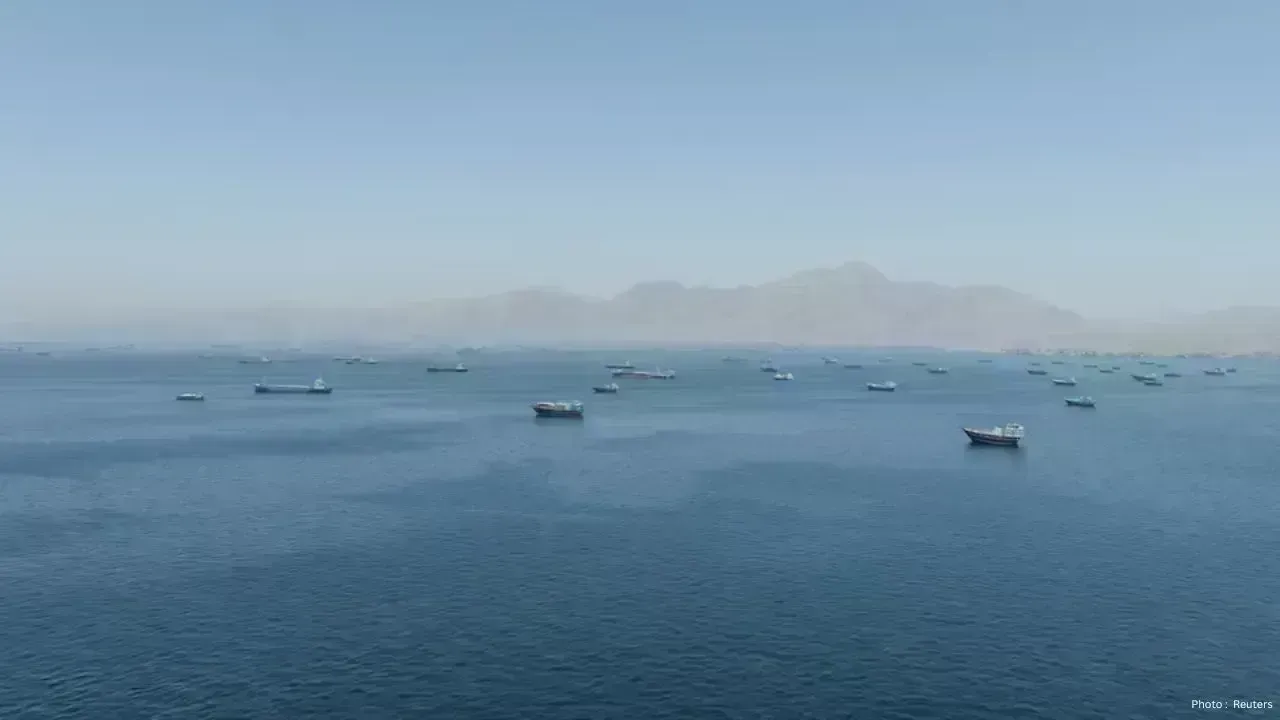
Iran has signaled that the strategic Strait of Hormuz may be reopened within a month if future negotiations with the United States successfully halt ongoing regional conflicts. This announcement has garnered international attention, given the waterway's critical role as a major oil shipping route affecting global energy markets.
The comments emerged amidst escalating diplomatic conversations regarding rising tensions in the Middle East. Iranian officials indicated that peace in the region and advancement in talks could facilitate safer maritime navigation through this vital passage.
Situated between Iran and Oman, the Strait of Hormuz is a narrow corridor through which a significant portion of the world’s oil and gas supplies transit daily. Disruptions to this waterway can immediately impact global oil prices and international commerce.
This strategic region has remained a focal point of concern during times of political and military unrest. Security threats in the strait have historically triggered volatility in energy markets and raised alarm over potential supply chain interruptions.
Iran's statements come at a time when the region is plagued by conflicts, diplomatic strains, and mounting international anxieties about stability. Escalations in various conflict zones have heightened worries that these tensions might ripple out and affect global economic activities.
Countries reliant on oil imports are closely monitoring the situation, as even minor disruptions in oil transportation can lead to increased fuel pricing around the world. Nations such as India, China, Japan, and several European countries consider stable shipping through the Strait of Hormuz to be critically important, with millions of barrels passing through daily, fueling numerous industries and economic activities.
The remarks from Iran are interpreted as a broader diplomatic overture towards the United States and other global stakeholders. Ongoing discussions about sanctions, regional security, and military-related tensions reveal a long-standing tug-of-war that seeks to defend varying political and strategic interests.
The potential for reestablishing or stabilizing shipping routes could have significant implications for oil prices on the international stage. Investors and energy traders tend to react promptly to political shifts in the Middle East, which holds a central position in global energy dynamics.
However, analysts caution that the circumstances are intricate. Reaching political agreements typically involves multiple nations, addressing security concerns and enduring disputes that are not easily reconciled.
Presently, the regional landscape is rife with sensitive issues surrounding military tensions, armed conflicts, economic sanctions, and high-stakes diplomatic negotiations led by major global powers. Navigating these complexities will likely necessitate extensive and careful dialogue.
This pronouncement about the Strait of Hormuz is viewed by many as both an economic and political gesture. Enhanced security for shipping lanes might ease pressures on global energy markets, while successful negotiations could reduce tensions regionally.
Shipping firms and international markets remain alert to developments, as uncertainty in the Gulf can significantly affect insurance rates, cargo operations, fuel pricing, and investor sentiment globally.
Governments, too, are keen on averting any substantial disruptions to maritime security. Several nations maintain naval forces and surveillance operations in the vicinity due to the route's strategic significance.
The current discourse underscores the intricate connection between politics and economics in the Middle East. Diplomatic, security, and military-related decisions can swiftly affect international trade and day-to-day fuel expenditures in various countries.
For everyday citizens, fluctuations in oil pricing can significantly impact transportation costs, electricity charges, food prices, and overall household budgets. This reality explains why events surrounding the Strait of Hormuz consistently capture global interest beyond the Middle East.
While uncertainties regarding future negotiations persist, Iran's remarks have sparked cautious optimism surrounding the possibility of diplomacy alleviating tensions in this volatile region.
The upcoming weeks are poised to be pivotal for both local politics and global energy markets, as nations continue to seek indications of potential dialogue, security negotiations, and initiatives aimed at conflict de-escalation in the Middle East.










PM Modi Pays Tribute to Mahatma Gandhi, Urges People to Support Khadi
PM Modi pays tribute to Mahatma Gandhi on Gandhi Jayanti and urges citizens to support Khadi and the

Amazon Seeks to Offload $8 Billion in Nvidia Chips to Investors
Amazon plans to move $8 billion in Nvidia chips to investors, using a new financing model to strengt

Samsung Raises Galaxy S26 Prices as Memory Chip Costs Rise
Samsung raises Galaxy S26 prices in South Korea as rising memory chip costs put pressure on smartpho

Lewis Hamilton Calls Singapore Grand Prix One of F1's Toughest Races
Lewis Hamilton discusses the demanding Singapore Grand Prix and brings Plus44 and Almave to Singapor

Denmark's Pandora Opens World's Largest Jewellery Factory in Vietnam
Pandora opens its largest jewellery factory in Vietnam, expanding global production, strengthening s

Gautam Gambhir Questions Batting-Friendly Pitches After India's Record ODI Chase
Gautam Gambhir questions batting-friendly ODI pitches after India’s record chase, calling for a bett

