
You have not yet added any article to your bookmarks!
Join 10k+ people to get notified about new posts, news and tips.
Do not worry we don't spam!
Post by : Shweta
Iran has firmly stated that it will not consent to any deal with the United States unless the rights and interests of its populace are unequivocally secured. This declaration arises amid ongoing talks between Tehran and Washington geared towards reducing tensions, addressing nuclear issues, and curbing months of unrest in the Middle East.
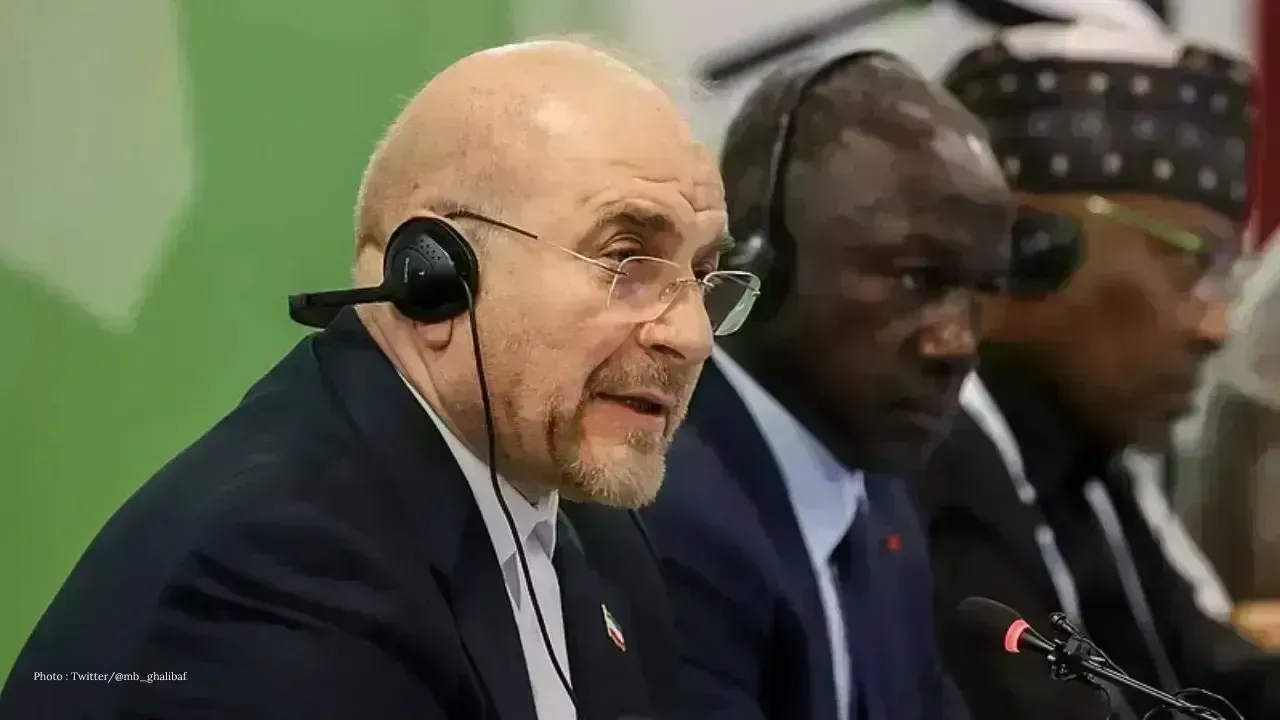
Mohammad Bagher Ghalibaf, the Speaker of the Iranian Parliament and lead negotiator, emphasized that no agreement would be accepted unless it guarantees Iran's national rights. In remarks aired on Iranian state television, Ghalibaf highlighted that any deal must prioritize the interests of the Iranian people, expressing skepticism towards American assurances alone.
These comments emerge during a critical phase in negotiations. Multiple international news sources reveal that U.S. President Donald Trump has presented a revised framework to Iran, imposing stricter conditions and additional requirements. Although the specifics of this framework remain confidential, reports suggest that Washington is demanding firmer commitments from Tehran concerning its nuclear program, regional security challenges, and access for shipping through the strategically significant Strait of Hormuz.
Iran has consistently stressed that relief from sanctions is pivotal to any forthcoming agreement, seeking the lifting of economic constraints that have severely impacted its economy for several years. Additionally, Iranian officials are requesting access to billions in frozen assets abroad, regarding them as part of their legitimate financial entitlements. They assert that without addressing these economic matters, a successful agreement is unattainable.
Another critical point of contention is the Strait of Hormuz, a vital energy shipping corridor. Since the escalation of recent conflicts, Iran has exerted tight control over operations in this important waterway, arguing that its oversight is a matter of national security and must be honored in any prospective agreement. In contrast, the United States insists on assurances for the unimpeded flow of commercial shipping through the strait.
The backdrop of these negotiations is marked by increasing military tensions, with both Iran and the U.S. exchanging accusations regarding attacks that jeopardize ceasefire efforts. Iranian officials contend that U.S. military actions have eroded trust and hindered diplomatic advancements, while Washington claims its operations are defensive measures responding to security threats. These developments complicate already challenging talks between the two nations.
Iran's officials have criticized what they see as mixed signals from Washington. Esmaeil Baghaei, a spokesperson for the Foreign Ministry, stated recently that conflicting American narratives have hampered negotiations and heightened uncertainty about their progression. He pointed out that diverging statements from various U.S. officials have further delayed the prospect of an agreement.
Despite the prevailing tensions, both parties seem to maintain the prospect for diplomacy. President Trump expressed belief that Iran desires an agreement and indicated that negotiations are still underway. He conveyed optimism that a resolution could eventually be achieved, though major differences still linger.
Experts highlight that the primary hurdles remain Iran’s nuclear program, the quest for sanctions relief, access to frozen assets, and issues of regional security. While some nominal progress has been reported in dialogues, many analysts feel that a conclusive agreement is still quite uncertain. Both sides continue to share proposals, yet no breakthrough has been publicized.
The results of these talks could profoundly impact global energy markets and the stability of the region. A successful agreement could ease tensions in the Middle East, foster Iran’s economic rehabilitation, and restore faith in international shipping routes. Conversely, failure to secure a deal risks escalating military confrontations and deepening geopolitical rifts.
For the time being, Iran's stance remains unwavering. Tehran insists that any pact with the United States must incorporate robust guarantees, safeguard national interests, and yield substantial benefits for the Iranian people. Until these stipulations are fulfilled, Iranian leaders assert there will be no finalized deal.
#world news #Donald Trump #Breaking News #Iran News #Middle East Conflict










PM Modi Pays Tribute to Mahatma Gandhi, Urges People to Support Khadi
PM Modi pays tribute to Mahatma Gandhi on Gandhi Jayanti and urges citizens to support Khadi and the

Amazon Seeks to Offload $8 Billion in Nvidia Chips to Investors
Amazon plans to move $8 billion in Nvidia chips to investors, using a new financing model to strengt

Samsung Raises Galaxy S26 Prices as Memory Chip Costs Rise
Samsung raises Galaxy S26 prices in South Korea as rising memory chip costs put pressure on smartpho

Lewis Hamilton Calls Singapore Grand Prix One of F1's Toughest Races
Lewis Hamilton discusses the demanding Singapore Grand Prix and brings Plus44 and Almave to Singapor

Denmark's Pandora Opens World's Largest Jewellery Factory in Vietnam
Pandora opens its largest jewellery factory in Vietnam, expanding global production, strengthening s

Gautam Gambhir Questions Batting-Friendly Pitches After India's Record ODI Chase
Gautam Gambhir questions batting-friendly ODI pitches after India’s record chase, calling for a bett

