
You have not yet added any article to your bookmarks!
Join 10k+ people to get notified about new posts, news and tips.
Do not worry we don't spam!
Post by : Shweta
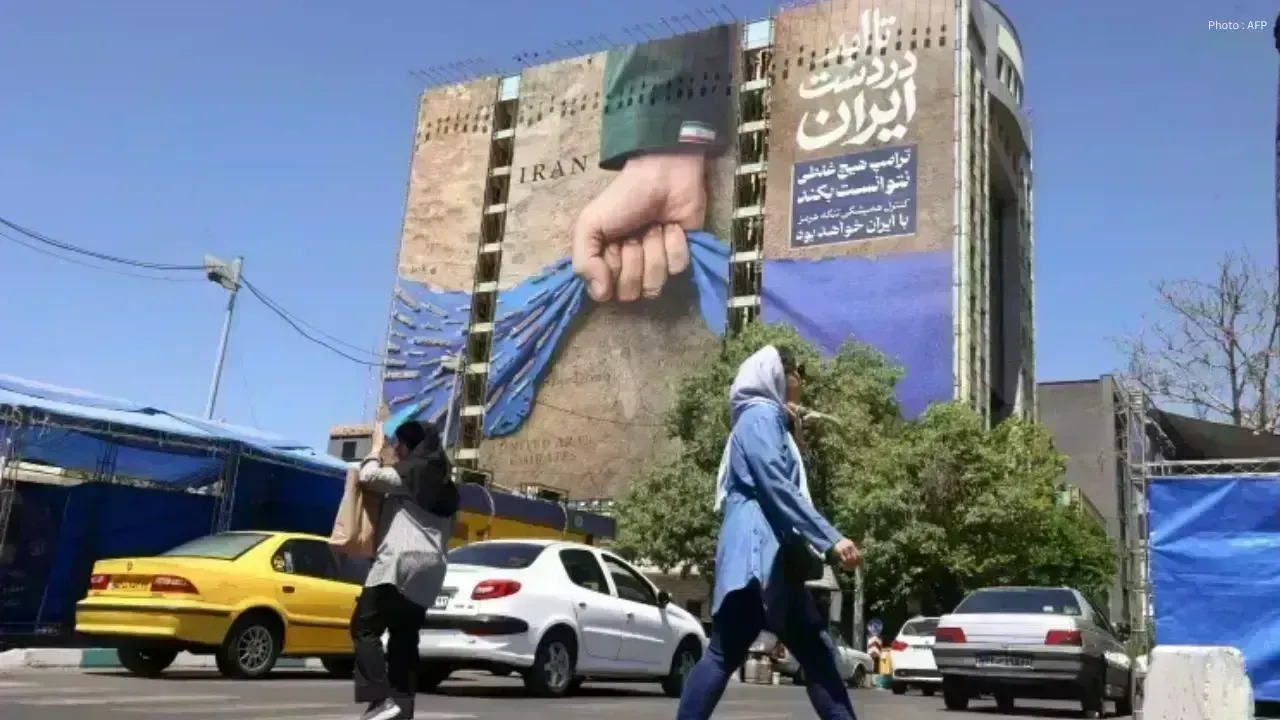
Tensions are palpable across Iran as indirect discussions between the United States and Iran progress, coinciding with military actions and rising political threats. Many Iranians are keenly following the developments, wishing that diplomatic talks can stave off a larger conflict, even as both factions exchange strong rhetoric and engage in military maneuvers.
These negotiations are being facilitated by mediators in Qatar and other nations in the region. Officials from both countries are addressing significant matters, including Iran's nuclear agenda, sanctions alleviation, security issues in the Strait of Hormuz, and the possibility of prolonging the current fragile ceasefire. Despite ongoing dialogues, fundamental disagreements persist on crucial demands.
Simultaneously, the United States has carried out new "self-defense" strikes on Iranian missile sites and military-associated vessels in southern Iran. According to U.S. Central Command, these strikes targeted locations near the Strait of Hormuz, following claims that Iranian boats were attempting to lay naval mines in strategic waters. Iran has vehemently condemned these actions, accusing the U.S. of military aggression during delicate peace talks.
The interplay of negotiations and military tensions has fostered a climate of anxiety within Iran. Citizens in Tehran and other prominent cities are reportedly keeping a close watch on news updates as fears of a broader conflict intensify. Iranian media has extensively covered the talks while also spotlighting remarks from military figures cautioning against further U.S. military actions.
Government officials in Iran assert their readiness for equitable negotiations but dismiss what they define as coercive diplomacy. Iranian Foreign Minister Abbas Araghchi emphasized that Tehran will not engage in discussions under duress and reiterated the country's readiness to defend itself if provoked. Additionally, Iranian leaders have accused the United States of using military might for political advantage.
U.S. President Donald Trump has maintained a firm public stance while endorsing negotiations. Trump recently reiterated demands for Iran to either surrender or dismantle its stockpile of highly enriched uranium under international oversight. He further cautioned that military action might escalate if substantial agreements are not reached.
Iran’s Supreme Leader Mojtaba Khamenei has heightened tensions with strong statements aimed at the U.S., warning that American military installations would no longer be secure in the Middle East if assaults on Iran persist. His remarks reflect mounting frustration within Iran following the recent U.S. military expeditions in the Gulf.
The Strait of Hormuz remains a focal point in the negotiations, as it is a vital corridor for global oil transit, with around 20 percent of the world's oil shipments passing through it. Any military confrontation near the strait could have significant repercussions for international energy markets, shipping routes, and global fuel prices. Both nations are reportedly discussing security assurances connected to the reopening and stabilization of shipping activities in the region.
Many citizens in Iran are anxious about the economic repercussions of persistent instability. International sanctions, soaring inflation, and fears of war have already exerted substantial pressure on the Iranian economy. Some citizens see diplomacy as a potential means to alleviate tensions and enhance economic conditions, while others hold reservations due to past unsuccessful negotiations between Tehran and Washington.
Analysts note that the current situation is incredibly fragile, with both parties balancing military pressure against diplomatic engagement. As mediation continues, the threat of strikes, political discord, and threats could rapidly escalate tensions. Experts predict that the coming days will be crucial in determining whether these discussions pave the way for a comprehensive agreement or edge the region closer to another significant conflict.










PM Modi Pays Tribute to Mahatma Gandhi, Urges People to Support Khadi
PM Modi pays tribute to Mahatma Gandhi on Gandhi Jayanti and urges citizens to support Khadi and the

Amazon Seeks to Offload $8 Billion in Nvidia Chips to Investors
Amazon plans to move $8 billion in Nvidia chips to investors, using a new financing model to strengt

Samsung Raises Galaxy S26 Prices as Memory Chip Costs Rise
Samsung raises Galaxy S26 prices in South Korea as rising memory chip costs put pressure on smartpho

Lewis Hamilton Calls Singapore Grand Prix One of F1's Toughest Races
Lewis Hamilton discusses the demanding Singapore Grand Prix and brings Plus44 and Almave to Singapor

Denmark's Pandora Opens World's Largest Jewellery Factory in Vietnam
Pandora opens its largest jewellery factory in Vietnam, expanding global production, strengthening s

Gautam Gambhir Questions Batting-Friendly Pitches After India's Record ODI Chase
Gautam Gambhir questions batting-friendly ODI pitches after India’s record chase, calling for a bett

