
You have not yet added any article to your bookmarks!
Join 10k+ people to get notified about new posts, news and tips.
Do not worry we don't spam!
Post by : Shweta
The diplomatic landscape between the United States and Iran has deteriorated once more as Iranian representatives indicated a growing likelihood of conflict following President Donald Trump’s dismissal of Tehran’s most recent peace initiative. This development arrives despite attempts at establishing a ceasefire and ongoing diplomatic dialogues intended to ease military hostilities in the region.
Recently, Iran proposed a new plan through intermediaries in Pakistan, aimed at restarting discussions to alleviate the ongoing standoff with the United States. The proposal hinted at potential strategies for reopening the Strait of Hormuz, de-escalating military activities, and furthering negotiations on Iran’s nuclear program in exchange for relief from sanctions. Nonetheless, Trump publicly expressed discontent with the proposal, asserting that Iran's demands were beyond what the U.S. could accept.
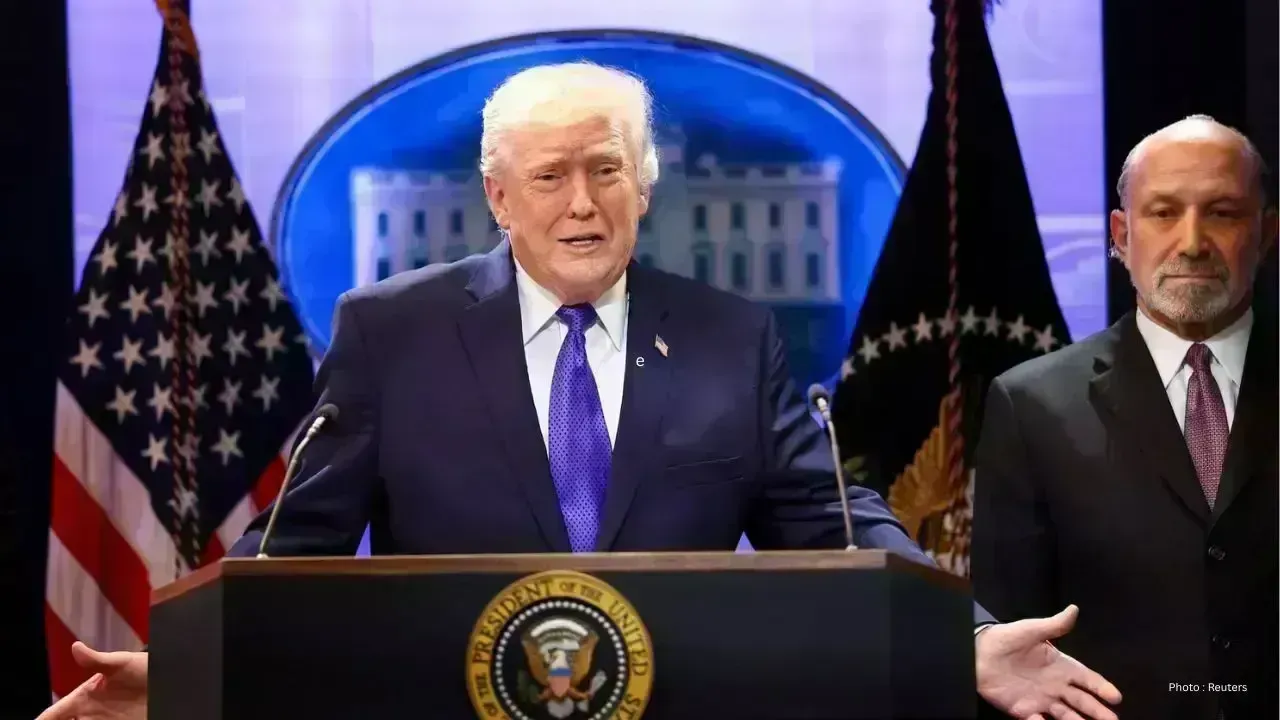
At a press conference, Trump conveyed his view that the Iranian leadership seemed to lack consensus, accusing Tehran of adhering to unreasonable negotiation terms. He emphasized that the U.S. would not withdraw from its stance until assurances regarding Iran’s nuclear initiatives and activities in the region were secured. Additionally, Trump asserted that military options are still an avenue if diplomacy fails to yield results.
In response to Trump's remarks, a senior military official from Iran issued a stark warning that renewed hostilities with the U.S. could become a reality if Washington persists with what Iran characterizes as aggressive postures and military intimidation. Iranian leaders condemned the persistent U.S. naval operations around the Strait of Hormuz, labeling them serious infringements on international rights and regional tranquility.
Relations have remained fraught between the nations since the ceasefire declared in early April, following weeks of military action, missile strikes, and sustained naval activities in the Gulf. While active hostilities reduced after the ceasefire, both nations continue to accuse one another of breaking accords and evading genuine negotiations.
A core contention surrounds Iran's nuclear initiatives. The Trump administration demands Iran ceases uranium enrichment and accepts rigorous international oversight before sanctions can be alleviated. Conversely, Iran maintains its right to pursue peaceful nuclear development and rejects terms viewed as detrimental to its sovereignty.
The situation around the Strait of Hormuz also remains contentious. Iran has previously interrupted shipping through this strategic chokepoint, which plays a crucial role in global oil exports. The United States has responded with naval maneuvers and advisories to international shipping lines. Analysts assert that escalating hostilities around Hormuz could disrupt global energy supplies and drive up fuel prices.
Inside the U.S., political scrutiny is mounting, with critics in Congress expressing doubts about Trump's approach to the ongoing conflict, arguing that the administration lacks a comprehensive long-term strategy. Several lawmakers raised concerns that continued military actions without formal congressional authorization could navigate legal and constitutional complications under the War Powers Resolution.
Observers globally share apprehensions that the impasse may lead to a resurgence of open conflict should diplomatic approaches falter again. Regional entities, including Pakistan and Gulf nations, are engaged in discreet discussions aimed at averting further escalation. Nevertheless, experts say the mistrust between Washington and Tehran continues to complicate the negotiation process significantly.
As military tensions persist and negotiations stall, uncertainty is once again rising in the Middle East. Analysts caution that any renewed confrontation between the United States and Iran could have profound implications for regional stability, international oil prices, and diplomatic efforts in the coming months.










PM Modi Pays Tribute to Mahatma Gandhi, Urges People to Support Khadi
PM Modi pays tribute to Mahatma Gandhi on Gandhi Jayanti and urges citizens to support Khadi and the

Amazon Seeks to Offload $8 Billion in Nvidia Chips to Investors
Amazon plans to move $8 billion in Nvidia chips to investors, using a new financing model to strengt

Samsung Raises Galaxy S26 Prices as Memory Chip Costs Rise
Samsung raises Galaxy S26 prices in South Korea as rising memory chip costs put pressure on smartpho

Lewis Hamilton Calls Singapore Grand Prix One of F1's Toughest Races
Lewis Hamilton discusses the demanding Singapore Grand Prix and brings Plus44 and Almave to Singapor

Denmark's Pandora Opens World's Largest Jewellery Factory in Vietnam
Pandora opens its largest jewellery factory in Vietnam, expanding global production, strengthening s

Gautam Gambhir Questions Batting-Friendly Pitches After India's Record ODI Chase
Gautam Gambhir questions batting-friendly ODI pitches after India’s record chase, calling for a bett

