
You have not yet added any article to your bookmarks!
Join 10k+ people to get notified about new posts, news and tips.
Do not worry we don't spam!
Post by : Shweta
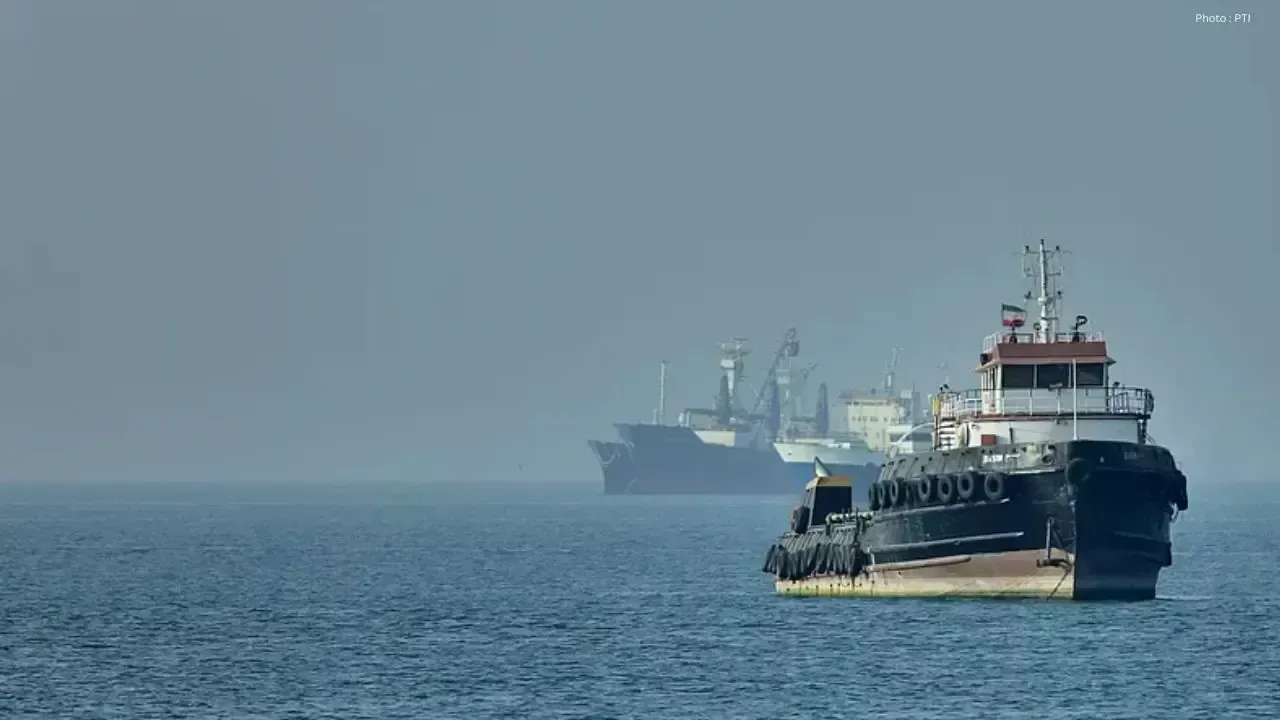
Iran has asserted its intention to maintain control over the strategically vital Strait of Hormuz amid escalating regional tensions, particularly involving the United States and its allies. High-ranking Iranian officials emphasized that Tehran will steadfastly manage this critical waterway, recognized as one of the globe’s primary oil shipping corridors.
The Strait of Hormuz links the Persian Gulf and the Arabian Sea, serving as a transit point for a significant share of the world’s oil and liquefied natural gas. Developments in this area are closely watched by global energy markets because any disruptions could substantially influence international oil pricing and supply chains. Analysts estimate that about 20% of the world’s oil trade typically traverses this narrow channel.
Officials from Iran declared that they will exhibit “no leniency” in safeguarding their rights and security interests within the strait amid the current conflict. Iran has consistently maintained that it has the prerogative to govern activities in the region due to its territorial waters extending into the waterway. Conversely, Western nations and maritime experts continually stress that the strait functions as an international navigation avenue protected by global maritime regulations.
These remarks come at a time of increasing military and political friction in the Middle East. Reports indicate disruptions in shipping traffic through the strait as conflicts involving Iran, the United States, and Israel intensify. Numerous oil tankers are experiencing delays and heightened security challenges while navigating the area.
Iran's Revolutionary Guard has previously cautioned foreign ships against entering without approval. According to international sources, Iran has intensified its surveillance and security operations in the strait in recent months in response to heightened tensions. Some international shipping firms have even altered their routes or scaled back operations due to fears of potential attacks and instability.
The situation poses significant concerns for energy-importing nations, particularly in Asia, where many countries rely on oil and gas supplies coursing through the Strait of Hormuz. Analysts warn that any prolonged disruptions could lead to soaring fuel prices, exacerbating inflation and exerting additional strain on the global economy.
Meanwhile, the United States and its allies persist in advocating for freedom of navigation in the region, discussing potential strategies to safeguard international shipping lanes. Nevertheless, military officials and diplomats have underscored the need to avoid any escalations that could spiral into broader regional conflicts.
Despite the prevailing tensions, diplomatic engagements between Iran and Western states remain ongoing. Global leaders keep a vigilant eye on developments surrounding the Strait of Hormuz, as it signifies one of the most critical and sensitive points for international trade and energy safety.










PM Modi Pays Tribute to Mahatma Gandhi, Urges People to Support Khadi
PM Modi pays tribute to Mahatma Gandhi on Gandhi Jayanti and urges citizens to support Khadi and the

Amazon Seeks to Offload $8 Billion in Nvidia Chips to Investors
Amazon plans to move $8 billion in Nvidia chips to investors, using a new financing model to strengt

Samsung Raises Galaxy S26 Prices as Memory Chip Costs Rise
Samsung raises Galaxy S26 prices in South Korea as rising memory chip costs put pressure on smartpho

Lewis Hamilton Calls Singapore Grand Prix One of F1's Toughest Races
Lewis Hamilton discusses the demanding Singapore Grand Prix and brings Plus44 and Almave to Singapor

Denmark's Pandora Opens World's Largest Jewellery Factory in Vietnam
Pandora opens its largest jewellery factory in Vietnam, expanding global production, strengthening s

Gautam Gambhir Questions Batting-Friendly Pitches After India's Record ODI Chase
Gautam Gambhir questions batting-friendly ODI pitches after India’s record chase, calling for a bett

