
You have not yet added any article to your bookmarks!
Join 10k+ people to get notified about new posts, news and tips.
Do not worry we don't spam!
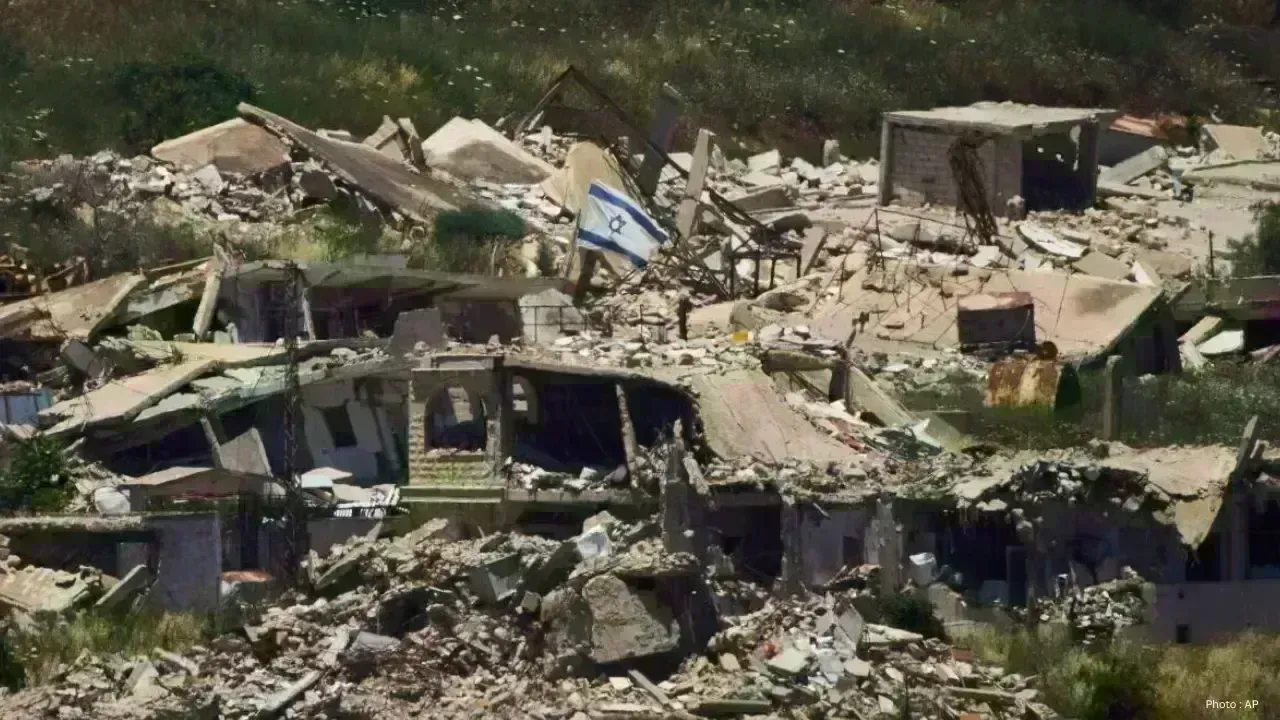
Post by : Saif Rahman
As conflicts involving Iran escalate, Hezbollah is increasingly pressed to clarify its stance amidst shifting security dynamics in the Middle East. Traditionally aligned with Tehran, questions loom over whether the group will engage more deeply in regional tensions or maintain its distance to avert further destabilization in Lebanon.
This scrutiny comes as military tensions flare between Iran and other nations, with widespread concern that regional disputes may extend beyond their current borders. As a significant political and military entity, Hezbollah’s actions are critical, impacting both Lebanon and the wider Middle East.
For years, Hezbollah has been seen as a key ally of Iran, benefiting from political backing, financial support, and military partnerships that have influenced regional relations for decades. As Iran's situation evolves, the repercussions for Hezbollah's future decisions become a focal point.
However, Lebanon’s internal issues further complicate this landscape. Economic hardship, political instability, and social unrest impair the daily lives of countless citizens and raise alarm that intensified regional tensions could worsen these challenges and stall recovery efforts.
Recent months have sparked security anxieties along the Lebanon-Israel frontier, where even minor efforts to defuse tensions have limited larger conflicts. Yet, the situation remains precarious; any major outbreak could have severe repercussions for civilian populations on both sides.
Political analysts suggest Hezbollah is now navigating a complex tightrope: supporting its long-term ally while being cautious not to provoke widespread hostilities. Balancing regional commitments and domestic realities remains a challenging task.
The repercussions of any escalation could be vast. Beyond military implications, sectors such as trade, investment, and public utilities could experience significant setbacks. Regional players recognize that sustained instability could disrupt energy markets and transportation channels.
Lebanon's plight is particularly delicate, having experienced years of financial turmoil that have compromised its institutions and prospects. Families wrestle with rampant inflation, job scarcity, and diminishing public services, making even the slightest added unrest potentially catastrophic.
Consequently, international stakeholders are increasingly focused on averting escalation. Various governments and diplomatic entities advocate for restraint and urge all parties to sidestep actions that might exacerbate the conflict. Diplomatic dialogue is favored by many looking to safeguard regional stability.
Public sentiment in Lebanon adds another layer to the discussion, as many prioritize economic revival over discussions of military engagement. Issues regarding employment, living standards, healthcare, and education resonate more strongly for the populace.
This situation underscores the interrelation of regional developments, where decisions in one nation can profoundly affect political and security climates elsewhere. Therefore, effective diplomacy and communication are paramount in mitigating tensions.
Analysts point out that uncertainty permeates the present climate, with rapid developments capable of shifting political landscapes. Thus, both governments and security analysts remain vigilant as events evolve.
The heightened focus on Hezbollah embodies growing concerns regarding the Middle East's trajectory. The future of the current crisis depends largely on the choices made by key stakeholders in the weeks and months ahead.
Regional leaders face an evident challenge: how to address security threats while preventing further escalation. Achieving success in this delicate balancing act is crucial for both stability and conflict mitigation.
As situations progress, Lebanon stands once again at a crossroads in regional geopolitics and security dynamics. The decisions made in this critical juncture could influence the nation and the broader Middle East for years to come. Consequently, the actions of Hezbollah and other regional actors will be closely monitored in the quest for stability.
#Middle East #Israel news #Middle East Crisis #Middle East Conflict #Israel war









PM Modi Pays Tribute to Mahatma Gandhi, Urges People to Support Khadi
PM Modi pays tribute to Mahatma Gandhi on Gandhi Jayanti and urges citizens to support Khadi and the

Amazon Seeks to Offload $8 Billion in Nvidia Chips to Investors
Amazon plans to move $8 billion in Nvidia chips to investors, using a new financing model to strengt

Samsung Raises Galaxy S26 Prices as Memory Chip Costs Rise
Samsung raises Galaxy S26 prices in South Korea as rising memory chip costs put pressure on smartpho

Lewis Hamilton Calls Singapore Grand Prix One of F1's Toughest Races
Lewis Hamilton discusses the demanding Singapore Grand Prix and brings Plus44 and Almave to Singapor

Denmark's Pandora Opens World's Largest Jewellery Factory in Vietnam
Pandora opens its largest jewellery factory in Vietnam, expanding global production, strengthening s

Gautam Gambhir Questions Batting-Friendly Pitches After India's Record ODI Chase
Gautam Gambhir questions batting-friendly ODI pitches after India’s record chase, calling for a bett

