
You have not yet added any article to your bookmarks!
Join 10k+ people to get notified about new posts, news and tips.
Do not worry we don't spam!
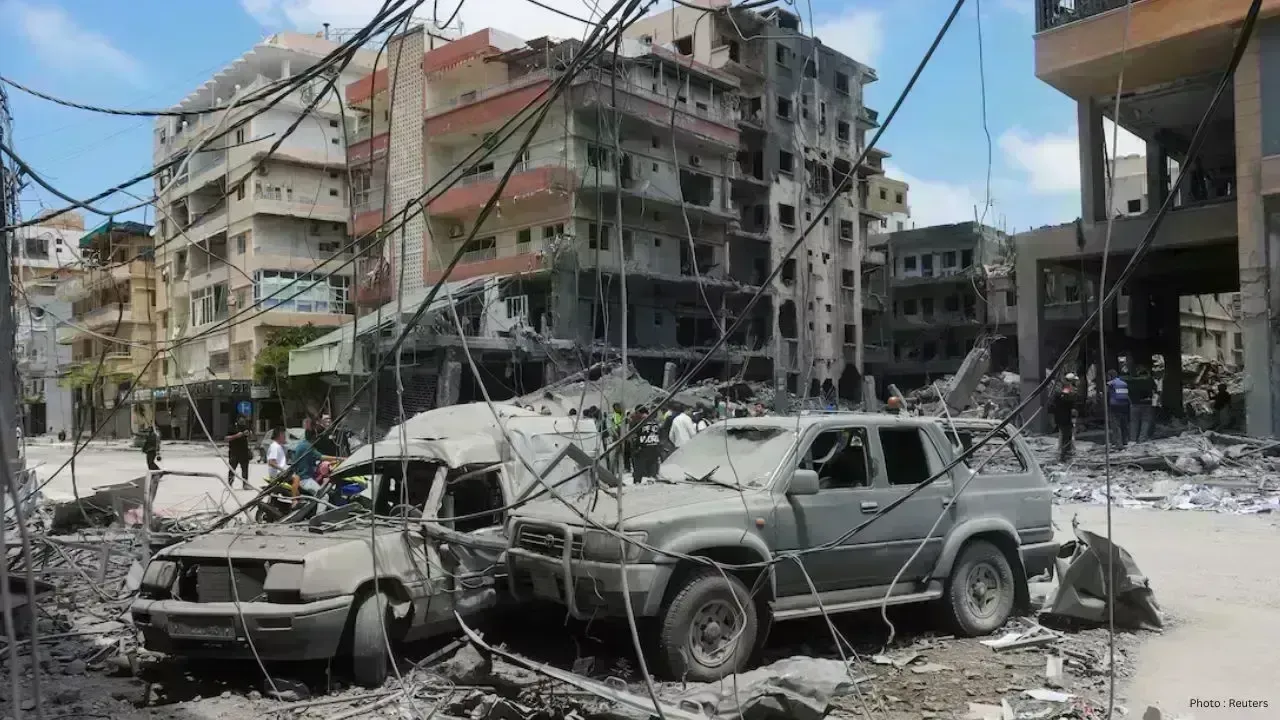
Post by : Saif Rahman
The conflict in Iran has escalated into a critical geopolitical situation that profoundly impacts global markets, trade, and the security of the entire region. As military actions continue alongside stagnating diplomatic initiatives, apprehensions are growing amongst governments and investors worldwide. The heightened uncertainty has led to fluctuating oil markets, especially concerning potential supply interruptions in this pivotal energy-producing area.
With negotiations failing to gain traction, oil prices have surged, causing market players to worry about the effects prolonged instability may have on vital shipping lanes and energy infrastructures throughout the Gulf. Given that this region supplies a substantial percentage of the world’s crude oil, even minor threats to production or transportation are likely to attract significant international attention.
While diplomatic dialogues are still ongoing, political disagreements concerning security measures, economic sanctions, and regional dominance hinder substantial progress. Although officials advocate for continued negotiation, no actionable steps toward a comprehensive agreement have been achieved yet.
The uptick in military operations at key locations has compelled several nations to bolster security around crucial infrastructures. Airports, ports, and energy sites are under heightened scrutiny, reflecting the urgent need for stability in a zone crucial to global trade.
Major maritime channels utilized for international energy exports remain in the limelight. Given that millions of barrels of crude oil traverse Gulf waters daily, any hindrance to these pathways poses a severe risk, prompting price surges and uncertainty among traders.
The repercussions of rising oil prices extend well beyond the energy sector. Transportation companies could experience increased fuel costs, manufacturers might face higher production expenses, leading to potentially elevated prices for consumers. These economic impacts have far-reaching effects across various nations, affecting both developed and emerging economies.
Financial markets are vigilantly observing these developments, as geopolitical unpredictability often sways investment decisions. Companies typically favor stable environments for expansion, making sustained unrest a major concern for industries operating on a broad scale. Investors are keenly aware of every significant update regarding negotiations and security matters.
Energy firms are also assessing their risk exposure as any disruption to production or transport routes could significantly impact supply levels and market valuations. Leaders within the energy sector remain watchful for any signs that could alter global energy patterns.
Leaders from different nations continue to stress the crucial role of diplomacy in these turbulent times. Engaging in meaningful negotiations remains the best avenue to mitigate risks and avoid a larger regional conflict. Open dialogue is essential for bridging differences and paving the way for enhanced stability and collaboration.
Realistic progress hinges on compromises from all factions. Deep-seated conflicts and contrasting strategic aspirations present noteworthy obstacles, which require more time to resolve. Trust-building is a gradual endeavor, particularly when national security is in question.
Regional communities are undoubtedly feeling the impact of this instability. Economic activities, potential investments, and business assurance are deeply intertwined with the ongoing conflict. Many are optimistic that diplomatic resolutions will create the stability needed for long-term growth.
Observers worldwide understand that the situation in Iran has cascading effects beyond the Middle East. Global trade systems, commodity markets, and economic structures are interconnected; thus, developments in one area can reverberate throughout international economies.
Analysts note that future actions will be crucial in guiding market trends. Positive negotiations could alleviate concerns and create stability, while additional military escalations may further pressure energy pricing and investor sentiment.
The current landscape underscores the tight bond between geopolitical events and economic health. Stability in major energy-producing regions is vital for fostering confidence in global markets and assuring consistent access to indispensable resources.
A peaceful resolution could benefit both regional and global stakeholders by diminishing uncertainty, bolstering trade, and stabilizing energy costs. This would also lay the groundwork for enhanced economic relations moving forward.
As the situation unfolds, governments, businesses, and financial institutions remain on heightened alert. Decisions made in the upcoming weeks are likely to shape not only the future dynamics of the conflict but also the trajectory of global energy markets and overall economic confidence.
#Middle East #Israel news #Middle East Crisis #Middle East Conflict #Israel war










PM Modi Pays Tribute to Mahatma Gandhi, Urges People to Support Khadi
PM Modi pays tribute to Mahatma Gandhi on Gandhi Jayanti and urges citizens to support Khadi and the

Amazon Seeks to Offload $8 Billion in Nvidia Chips to Investors
Amazon plans to move $8 billion in Nvidia chips to investors, using a new financing model to strengt

Samsung Raises Galaxy S26 Prices as Memory Chip Costs Rise
Samsung raises Galaxy S26 prices in South Korea as rising memory chip costs put pressure on smartpho

Lewis Hamilton Calls Singapore Grand Prix One of F1's Toughest Races
Lewis Hamilton discusses the demanding Singapore Grand Prix and brings Plus44 and Almave to Singapor

Denmark's Pandora Opens World's Largest Jewellery Factory in Vietnam
Pandora opens its largest jewellery factory in Vietnam, expanding global production, strengthening s

Gautam Gambhir Questions Batting-Friendly Pitches After India's Record ODI Chase
Gautam Gambhir questions batting-friendly ODI pitches after India’s record chase, calling for a bett

