
You have not yet added any article to your bookmarks!
Join 10k+ people to get notified about new posts, news and tips.
Do not worry we don't spam!
Post by : Saif Rahman
As regional conflicts escalate with the involvement of the United States and Israel, Iran is grappling with mounting economic pressures. The ongoing situation places a significant strain on the nation's financial systems, instilling fear and uncertainty among citizens, businesses, and policymakers alike. Geopolitical tensions are reverberating through the economy, affecting everything from household spending to the nation’s overall economic health.
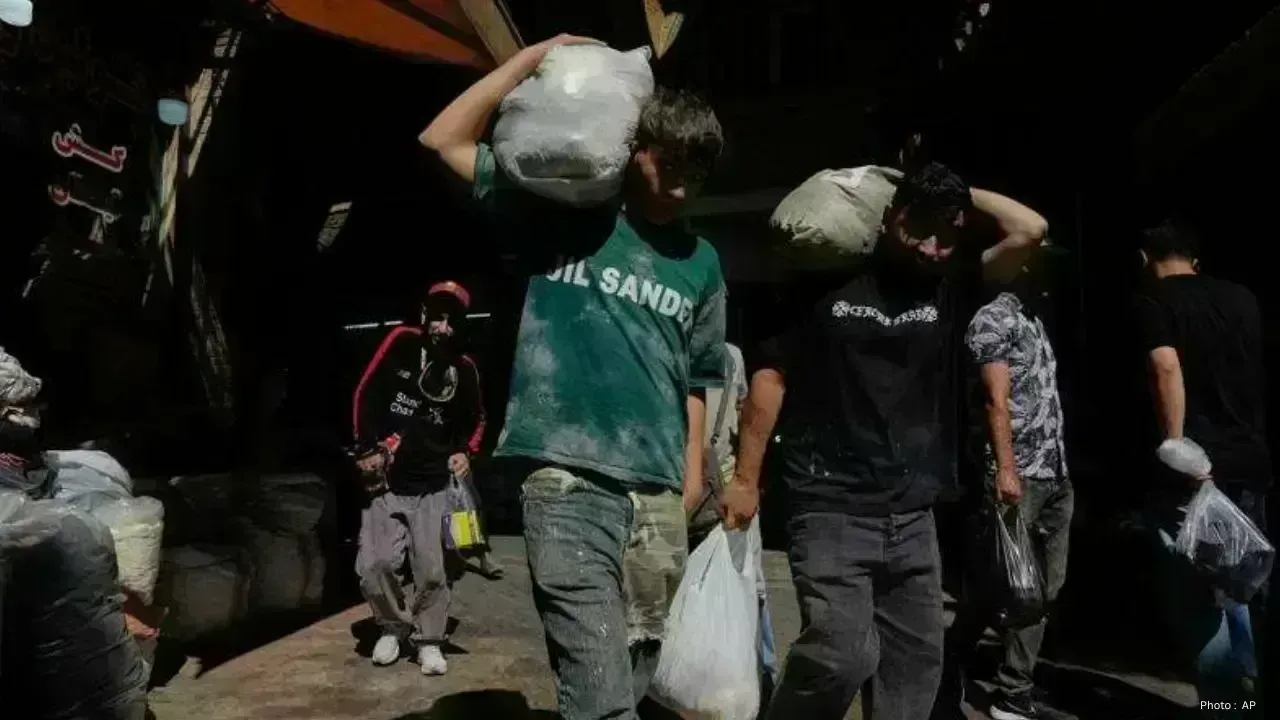
Inflation has emerged as one of the most pressing issues, with reports noting a steep rise in consumer prices making vital goods and services increasingly unaffordable for many. Transportation, healthcare, and everyday living costs have surged, diminishing the purchasing power of households significantly. Economic analysts caution that protracted instability could exacerbate the financial struggles of families already facing hardships.
Moreover, the national currency has seen a severe depreciation in recent years. A weaker rial raises the cost of imports, leading to higher prices across the board. This situation intensifies burdens for businesses relying on international supplies and subsequently drives up consumer prices. Such economic conditions contribute to growing public frustration and anxiety about the future.
While these economic challenges persist, diplomatic initiatives continue to seek a resolution aimed at diminishing tensions and fostering stability. Ongoing negotiations between Tehran and Washington are exploring potential frameworks to alleviate pressure and avert further escalation. Although there have been faint signs of progress, significant disparities remain, perpetuating uncertainty in both regional and global markets.
The sensitive nature of energy markets is particularly notable as they respond to developments in the region. The Strait of Hormuz, a critical oil shipping lane, plays a vital role in global discussions. Any disruptions to trade routes here can significantly influence worldwide energy supplies and fuel pricing. Both governments and businesses are monitoring the situation closely due to its considerable implications for economic stability and inflation.
The economic ripples extend beyond Iran's borders. Elevated energy costs can impact transportation, manufacturing, and consumer prices globally. Therefore, the developments in Iran are of paramount importance not just to regional authorities but also to international financial markets and institutions. Investors frequently react to geopolitical instability, leading to increased volatility in the global economy.
The financial strain is increasingly shaping public opinion within Iran. Previous episodes of high inflation and economic distress have resulted in public demonstrations and widespread dissatisfaction. Analysts highlight that sustaining economic stability is a considerable challenge for the government as it strives to address domestic issues while navigating complex geopolitical landscapes.
Firms in diverse sectors are feeling the weight of uncertainty. They must adapt to fluctuating currencies, rising operational costs, and shifting market landscapes. Investment strategies may be put on hold as businesses seek clearer insights into future economic and political scenarios.
Iran's current predicament vividly illustrates the intricate connection between economic realities and geopolitical dynamics. Financial strains, ongoing negotiations, and security issues are critically influencing the nation's outlook amid widespread uncertainty. The upcoming months will be pivotal as leaders endeavor to confront economic challenges, pursue diplomatic channels, and cater to the concerns of citizens facing intensifying cost-of-living pressures. The potential for stability hinges significantly on developments both within the nation and in the larger regional context.










PM Modi Pays Tribute to Mahatma Gandhi, Urges People to Support Khadi
PM Modi pays tribute to Mahatma Gandhi on Gandhi Jayanti and urges citizens to support Khadi and the

Amazon Seeks to Offload $8 Billion in Nvidia Chips to Investors
Amazon plans to move $8 billion in Nvidia chips to investors, using a new financing model to strengt

Samsung Raises Galaxy S26 Prices as Memory Chip Costs Rise
Samsung raises Galaxy S26 prices in South Korea as rising memory chip costs put pressure on smartpho

Lewis Hamilton Calls Singapore Grand Prix One of F1's Toughest Races
Lewis Hamilton discusses the demanding Singapore Grand Prix and brings Plus44 and Almave to Singapor

Denmark's Pandora Opens World's Largest Jewellery Factory in Vietnam
Pandora opens its largest jewellery factory in Vietnam, expanding global production, strengthening s

Gautam Gambhir Questions Batting-Friendly Pitches After India's Record ODI Chase
Gautam Gambhir questions batting-friendly ODI pitches after India’s record chase, calling for a bett

