
You have not yet added any article to your bookmarks!
Join 10k+ people to get notified about new posts, news and tips.
Do not worry we don't spam!
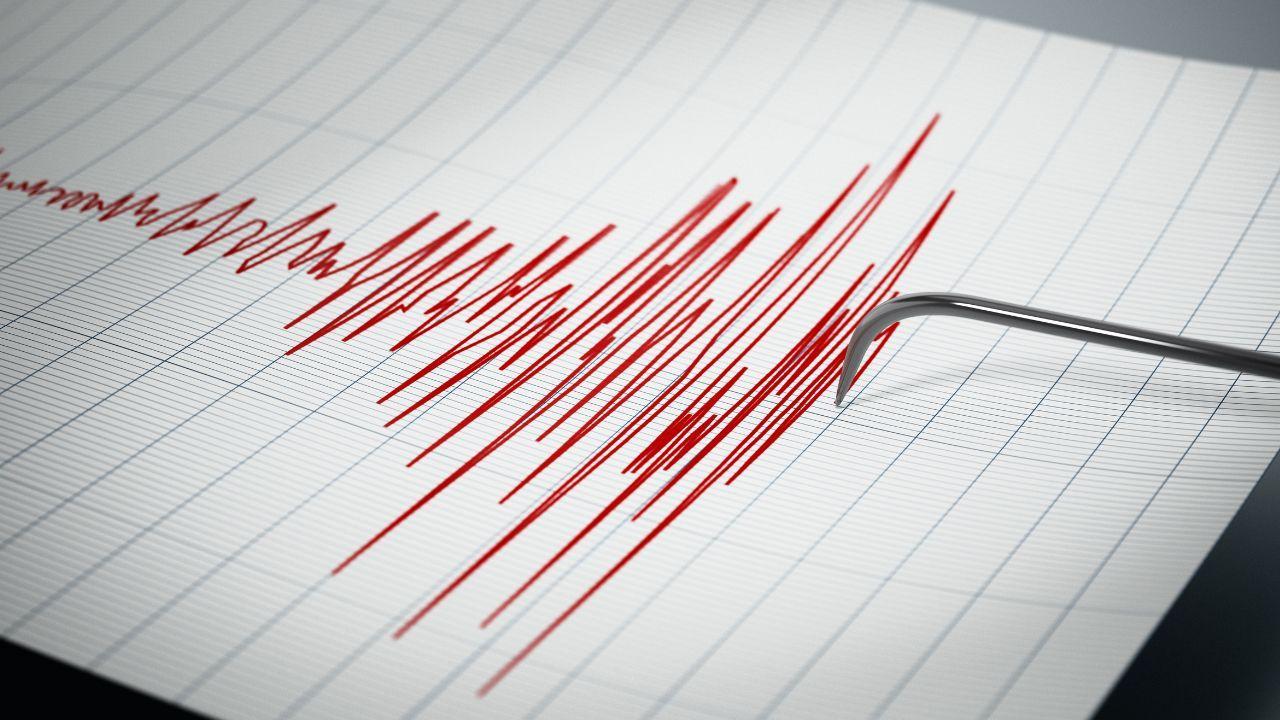
Post by : Rohit Dhiman
Japan’s weather agency has withdrawn an incorrect earthquake alert after a technical error triggered emergency warnings on millions of mobile phones across the country. The warning initially indicated that a powerful earthquake measuring magnitude 9.9 had occurred near the Kuril Islands, raising concerns about a potentially devastating seismic event. However, the Japan Meteorological Agency (JMA) subsequently clarified that the actual earthquake measured magnitude 6.9 and occurred near Russia’s Kamchatka Peninsula at a depth of approximately 160 kilometres. The agency apologised for the confusion and disruption caused by the inaccurate information. The incident has drawn attention to the importance of accurate earthquake monitoring and emergency communication, particularly in a country where seismic alerts play a vital role in public safety.
The incident occurred on Friday, October 16, when Japan’s meteorological authorities issued an alert based on an initial estimate that placed the earthquake’s magnitude at 9.9. The reported location was near the Kuril Islands, known in Japan as the Chishima Islands. The warning triggered loud emergency notifications on millions of mobile phones. Such alerts are designed to give people advance notice of potentially dangerous shaking, allowing them to take immediate protective measures where possible. Because the initial estimate suggested an exceptionally powerful earthquake, the warning created considerable concern. The agency later withdrew the alert after clarifying the actual magnitude and location of the seismic event. The mistaken warning also disrupted transport services, according to reports. The full extent of the disruption was not detailed in the information available.
The Japan Meteorological Agency later confirmed that the earthquake had a magnitude of 6.9, substantially lower than the initially reported figure of 9.9. The earthquake occurred near Russia’s Kamchatka Peninsula, with its depth estimated at around 160 kilometres beneath the Earth’s surface. This location differed from the Kuril Islands area identified in the initial warning. A magnitude 6.9 earthquake can still cause strong shaking and damage, depending on factors such as its depth, distance from populated areas and local ground conditions. However, the initial 9.9 estimate indicated an extraordinary event on a scale far beyond the earthquake subsequently confirmed by the agency. The correction was therefore important for communicating the actual seismic information and preventing the public from relying on an inaccurate assessment.
Following the incident, JMA official Shinya Tsukada apologised publicly for the concern and inconvenience caused by the incorrect alert. The agency acknowledged the impact of issuing the warning and expressed regret over the disruption experienced by members of the public. The incident also raised questions about how the initial earthquake measurements were processed and how an incorrect estimate progressed into a nationwide emergency warning. The information provided in the initial report did not establish the precise technical cause of the error. Further clarification from the agency would be needed to explain exactly which part of the monitoring or assessment process produced the incorrect magnitude and location.
Japan is situated in a seismically active region where earthquakes occur because of movements between tectonic plates. As a result, earthquake preparedness and public warning systems are important parts of the country’s disaster management arrangements. The Japan earthquake alert system is intended to communicate potentially dangerous seismic activity as quickly as possible. Depending on the circumstances, warnings can help people take cover, move away from hazardous objects and prepare for shaking. Emergency notifications are particularly important because strong earthquakes can develop with little time for people to respond. Even a short warning can give residents an opportunity to protect themselves. At the same time, inaccurate alerts can cause unnecessary alarm, interrupt transport and affect public confidence in emergency communications. This makes reliable measurements, rapid verification and clear corrections essential components of an effective warning system.
When an emergency notification indicates that an exceptionally powerful earthquake has occurred, people may immediately fear damage to homes, buildings and transport infrastructure. In this case, the incorrect magnitude triggered widespread mobile alerts before the agency corrected the information. The reported transport disruption illustrates how a mistaken warning can affect services beyond the initial notification itself. False alarms can also create confusion when people receive conflicting information from official channels and social media. Clear communication about what is confirmed, what has changed and whether further danger remains is therefore important. Nevertheless, the possibility of an inaccurate warning does not mean that people should ignore future emergency alerts. Official instructions should be followed while authorities verify the situation and issue updated information.
Read Also: Singapore Haze: Dark Rainwater Sparks Pollution Concerns
A magnitude 9.9 earthquake would represent an extraordinary seismic event. Earthquake magnitude is measured on a logarithmic scale, meaning that an increase of one whole magnitude corresponds to approximately 32 times more energy released. For comparison, a magnitude 6.9 earthquake is significantly less energetic than a hypothetical magnitude 9.9 event. The difference between these figures is not a simple percentage increase. The distinction matters because the first alert suggested a seismic event of exceptional scale, whereas the later correction identified a magnitude 6.9 earthquake near Kamchatka. It is important to clarify that Japan did not confirm a magnitude 9.9 earthquake in this incident. That figure appeared in the mistaken warning and was subsequently withdrawn.
The incident highlights the need to understand why the initial estimate was incorrect and how similar errors can be prevented. Reviewing the calculations, monitoring data and alert procedures could help authorities identify where improvements may be needed. The agency’s public apology addressed the immediate concern, but further technical clarification would help explain how the incorrect warning was generated.







Brandon Figueroa Stripped of WBA Featherweight Title After Missing Weight
Brandon Figueroa loses his WBA featherweight title after weighing 1.4 pounds over the limit before h

Singapore Haze: PM2.5 Pollution Rises in Three Regions
Singapore haze worsens as PM2.5 reaches high levels in three regions. Check air quality, health risk

G7 to Hold AI Cybersecurity Exercises to Protect Financial Systems
G7 finance leaders will conduct AI cybersecurity exercises to prepare for cyber attacks and protect

Spain's Diego Poncelet Sets Skateboarding World Speed Record
Spain's Diego Poncelet reaches 151.83 km/h in a record-breaking downhill skateboard run in Canada, s

Hyundai Recalls 94,622 US Vehicles Over Potential Fire Risk
Hyundai recalls 94,622 US vehicles over overheating seat motors. Check affected Genesis models, fire

Nvidia Pledges $250 Million for UK AI Safety Research
Nvidia will provide $250 million in computing resources over five years to support AI safety researc

