
You have not yet added any article to your bookmarks!
Join 10k+ people to get notified about new posts, news and tips.
Do not worry we don't spam!
Post by : Shakul
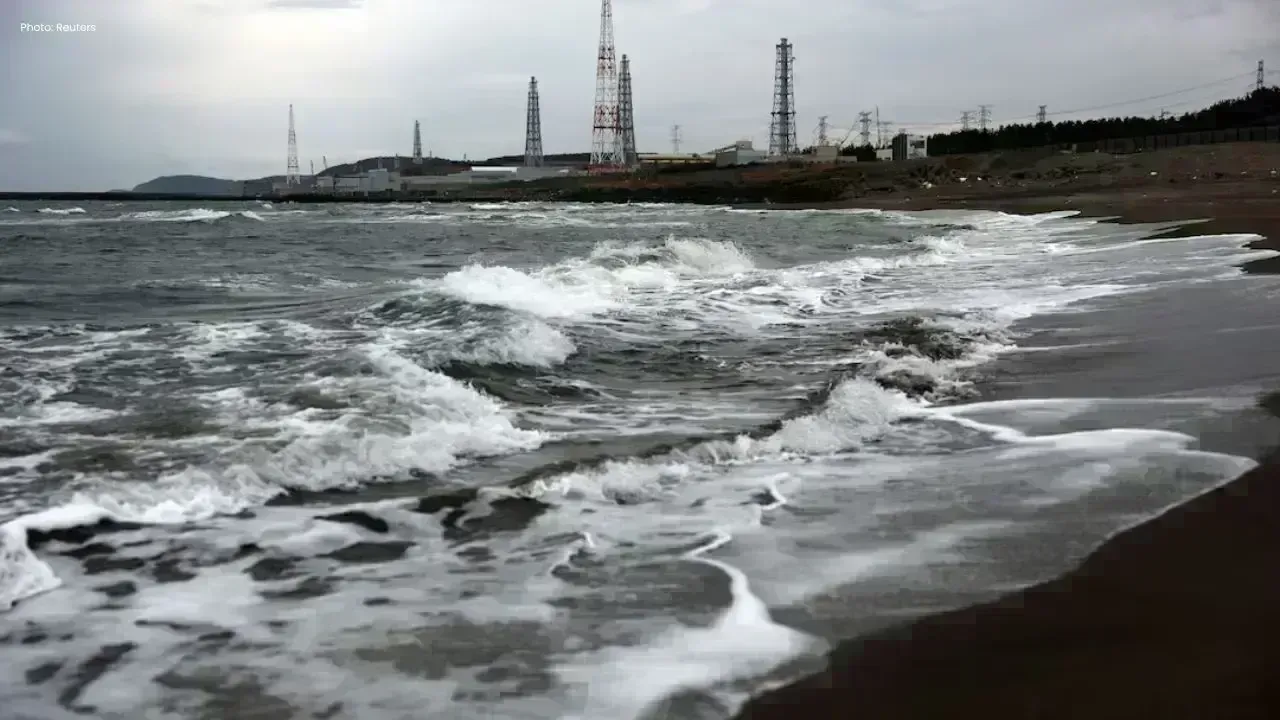
Japan has unveiled a long-term strategy to rebuild and replace ageing nuclear power plants as part of its effort to secure a stable electricity supply and strengthen national energy security. The proposal reflects a significant shift in the country’s energy policy as demand for power is expected to rise sharply in the coming decades.
According to the Ministry of Economy, Trade and Industry (METI), Japan may need to construct between two and five replacement nuclear reactors by the 2040s. The number could rise to between 11 and 14 reactors by the 2050s as older facilities approach the end of their operational lifespans and require retirement.
Government officials believe the expansion of nuclear energy is essential to support growing electricity consumption driven by emerging industries, particularly artificial intelligence, cloud computing, and large-scale data centers. These sectors are expected to place increasing pressure on the national power grid in the years ahead.
The proposed reactors would provide approximately 16 gigawatts of generating capacity, helping Japan reduce its reliance on imported fossil fuels. Currently, coal, natural gas, and oil account for the majority of the country’s electricity generation, making energy imports a major economic burden.
Japan’s nuclear sector has faced significant challenges since the 2011 Fukushima nuclear disaster, which led to the shutdown of all 54 operating reactors across the country. Since then, only 15 of the 33 remaining operable reactors have resumed operations after meeting stricter safety standards imposed by regulators.
Under its revised national energy strategy, Japan aims to increase nuclear power’s share of electricity generation to around 20 percent by fiscal year 2040. Prime Minister Sanae Takaichi has strongly supported the renewed use of nuclear energy as a means to strengthen energy independence and reduce exposure to volatile global fuel markets.
Despite the government's ambitious plans, public trust in nuclear power remains fragile. Safety concerns continue to influence public opinion, and recent controversies involving inaccurate seismic risk assessments at certain facilities have renewed debates about transparency and oversight. Nevertheless, authorities argue that modern reactor technology and enhanced safety measures will play a critical role in ensuring Japan's long-term energy stability.










PM Modi Pays Tribute to Mahatma Gandhi, Urges People to Support Khadi
PM Modi pays tribute to Mahatma Gandhi on Gandhi Jayanti and urges citizens to support Khadi and the

Amazon Seeks to Offload $8 Billion in Nvidia Chips to Investors
Amazon plans to move $8 billion in Nvidia chips to investors, using a new financing model to strengt

Samsung Raises Galaxy S26 Prices as Memory Chip Costs Rise
Samsung raises Galaxy S26 prices in South Korea as rising memory chip costs put pressure on smartpho

Lewis Hamilton Calls Singapore Grand Prix One of F1's Toughest Races
Lewis Hamilton discusses the demanding Singapore Grand Prix and brings Plus44 and Almave to Singapor

Denmark's Pandora Opens World's Largest Jewellery Factory in Vietnam
Pandora opens its largest jewellery factory in Vietnam, expanding global production, strengthening s

Gautam Gambhir Questions Batting-Friendly Pitches After India's Record ODI Chase
Gautam Gambhir questions batting-friendly ODI pitches after India’s record chase, calling for a bett

