
You have not yet added any article to your bookmarks!
Join 10k+ people to get notified about new posts, news and tips.
Do not worry we don't spam!
Post by : Shakul
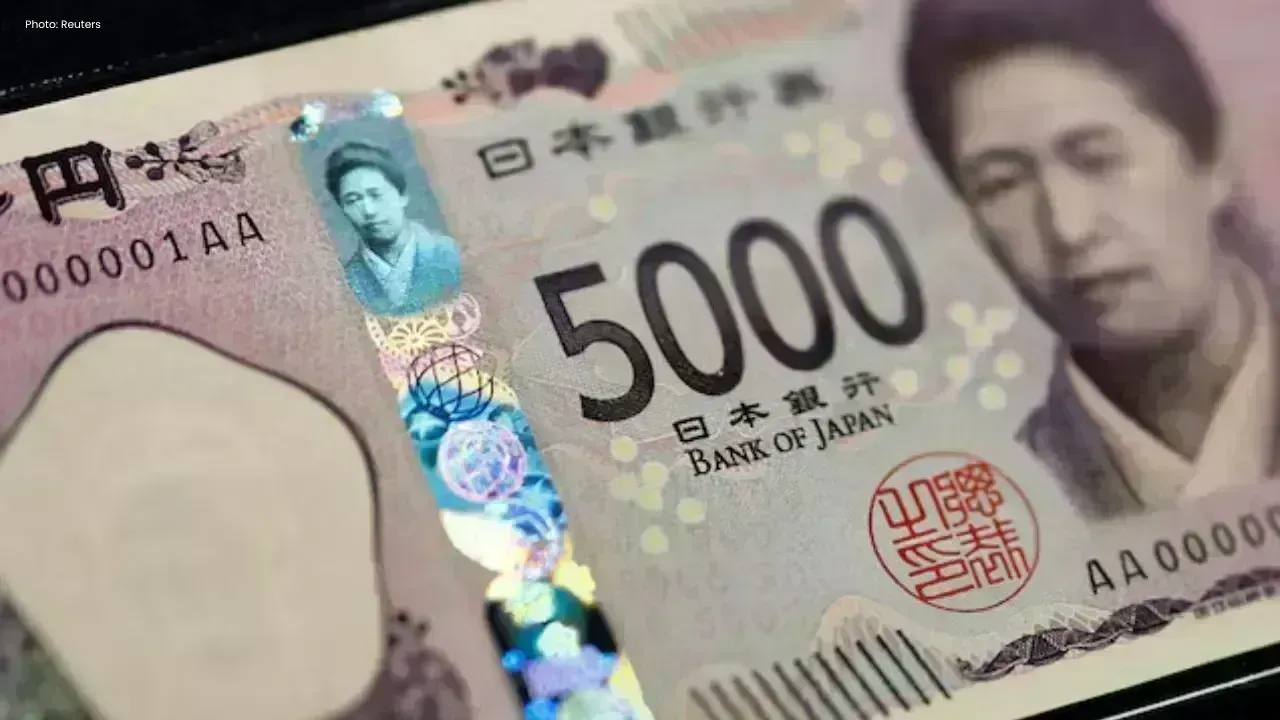
Japan has spent a massive 11.7 trillion yen, equivalent to approximately $73.5 billion, in foreign exchange market intervention efforts aimed at supporting the struggling yen, according to new data released by the Ministry of Finance. The intervention highlights the government's growing concern over the sharp decline of the Japanese currency against the US dollar.
Market analysts had widely suspected that Japanese authorities entered currency markets several times during the recent Golden Week holidays when trading volumes were relatively thin. The official figures released on Friday confirmed those expectations, making it one of the largest intervention efforts undertaken by Japan in recent years.
The government stepped in after the yen weakened beyond the psychologically important level of 160 yen per US dollar. The same exchange rate level had previously triggered large-scale intervention measures in 2024 as authorities sought to prevent excessive currency volatility and protect economic stability.
On April 30, the yen experienced a dramatic recovery after intervention activity pushed the currency from a low of 160.725 per dollar to around 155.50. The currency continued strengthening during the following days and briefly traded near the 155 level. However, the gains proved temporary as the yen gradually resumed its downward trend in the weeks that followed.
Economic experts point to several factors behind the yen’s weakness. Rising global energy prices linked to ongoing geopolitical tensions in the Middle East have increased import costs for Japan, which relies heavily on imported oil and energy resources. The resulting pressure on trade balances has added further strain to the Japanese currency.
Another major factor is the Bank of Japan’s cautious approach toward monetary policy normalization. While many central banks have aggressively adjusted interest rates in recent years, Japan has moved more gradually after more than a decade of ultra-loose monetary policies. This difference in interest rate expectations has encouraged investors to favor higher-yielding currencies over the yen.
Although the intervention temporarily slowed the yen’s decline, the latest market performance suggests that underlying economic forces continue to weigh heavily on the currency. The Ministry of Finance is expected to release a more detailed breakdown of its intervention operations for the April-to-June quarter later this year, providing deeper insight into how authorities attempted to stabilize one of the world's most important currencies.










PM Modi Pays Tribute to Mahatma Gandhi, Urges People to Support Khadi
PM Modi pays tribute to Mahatma Gandhi on Gandhi Jayanti and urges citizens to support Khadi and the

Amazon Seeks to Offload $8 Billion in Nvidia Chips to Investors
Amazon plans to move $8 billion in Nvidia chips to investors, using a new financing model to strengt

Samsung Raises Galaxy S26 Prices as Memory Chip Costs Rise
Samsung raises Galaxy S26 prices in South Korea as rising memory chip costs put pressure on smartpho

Lewis Hamilton Calls Singapore Grand Prix One of F1's Toughest Races
Lewis Hamilton discusses the demanding Singapore Grand Prix and brings Plus44 and Almave to Singapor

Denmark's Pandora Opens World's Largest Jewellery Factory in Vietnam
Pandora opens its largest jewellery factory in Vietnam, expanding global production, strengthening s

Gautam Gambhir Questions Batting-Friendly Pitches After India's Record ODI Chase
Gautam Gambhir questions batting-friendly ODI pitches after India’s record chase, calling for a bett

