
You have not yet added any article to your bookmarks!
Join 10k+ people to get notified about new posts, news and tips.
Do not worry we don't spam!
Post by : Shakul
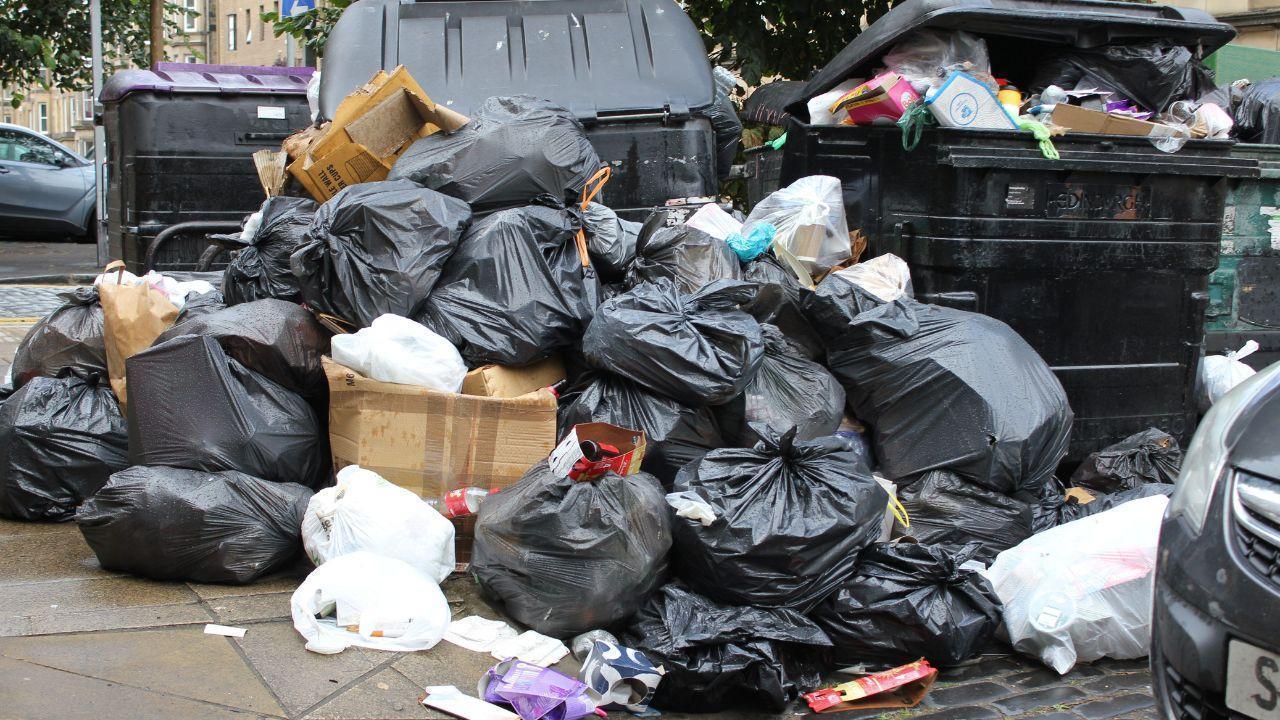
As geopolitical tensions in the Middle East intensify, South Korea — heavily reliant on Middle Eastern petrochemical imports — is grappling with a surprising everyday supply challenge: shortages of plastic garbage bags and other basic plastic products.
The disruption stems from prolonged conflict involving Iran, the United States and other regional actors, which has clogged major shipping routes through the Strait of Hormuz — a vital corridor for global oil and naphtha shipments. Naphtha, a key raw material used to produce plastics, is predominantly imported from Gulf countries and is now harder to secure amid logistical delays and elevated pricing.
In Seoul, supermarkets and convenience stores have posted notices limiting trash bag purchases to curb panic buying, while vending machines for municipal waste bags remain depleted. Small vendors and consumers report difficulty finding new stock, with some fearing stockouts in the coming weeks.
Government data shows South Korea imports a significant share of its petrochemical feedstock through the Gulf, making the country especially vulnerable to supply chain disruptions. In response, authorities have banned naphtha exports for five months and are urging manufacturers to increase use of recycled plastics to ease dependency on imported feedstock.
The ripple effects extend beyond garbage bags. Analysts and industry sources warn that broader petrochemical shortages could pressure packaging costs for food, consumer goods and industrial materials. A Reuters analysis notes that soaring oil and naphtha prices have already driven plastic prices to multiyear highs, affecting industries from instant noodles to tires and cosmetics across Asia.
Officials emphasize that current inventories remain sufficient for essential waste disposal across many municipalities, and local authorities are coordinating transfers to areas facing tighter supplies. However, the situation has prompted reminders to the public not to hoard basic goods, echoing past patterns of consumer behavior during supply disruptions.










PM Modi Pays Tribute to Mahatma Gandhi, Urges People to Support Khadi
PM Modi pays tribute to Mahatma Gandhi on Gandhi Jayanti and urges citizens to support Khadi and the

Amazon Seeks to Offload $8 Billion in Nvidia Chips to Investors
Amazon plans to move $8 billion in Nvidia chips to investors, using a new financing model to strengt

Samsung Raises Galaxy S26 Prices as Memory Chip Costs Rise
Samsung raises Galaxy S26 prices in South Korea as rising memory chip costs put pressure on smartpho

Lewis Hamilton Calls Singapore Grand Prix One of F1's Toughest Races
Lewis Hamilton discusses the demanding Singapore Grand Prix and brings Plus44 and Almave to Singapor

Denmark's Pandora Opens World's Largest Jewellery Factory in Vietnam
Pandora opens its largest jewellery factory in Vietnam, expanding global production, strengthening s

Gautam Gambhir Questions Batting-Friendly Pitches After India's Record ODI Chase
Gautam Gambhir questions batting-friendly ODI pitches after India’s record chase, calling for a bett

