
You have not yet added any article to your bookmarks!
Join 10k+ people to get notified about new posts, news and tips.
Do not worry we don't spam!
Post by : Saif Rahman
Lebanon is grappling with significant internal political rifts that are impeding the progress of discussions with Israel. These divisions have also complicated Saudi Arabia’s role as a mediator, making it challenging to foster peace between the two sides.
Recent developments indicate a lack of consensus among Lebanese leaders regarding the approach to Israel. While some officials advocate for negotiations, believing that dialogue may ease tensions and curb potential conflicts, others are vehemently against any form of engagement, fearing it could jeopardize Lebanon's stance and overlook historical grievances.
This split has posed a substantial challenge. Without a cohesive and unified strategy, Lebanon struggles to advance meaningful negotiations, which require robust internal backing—something that is currently lacking.
A key contributor to this rift is the influence of various political factions. Some leaders are open to temporary arrangements, such as reducing hostilities or ensuring a ceasefire, while many reject any formal negotiations or peace treaties.
Hezbollah, a major player in Lebanese politics, opposes any normalization efforts with Israel, further complicating the landscape and reflecting significant segments of both political and public opinion.
As a result of these internal conflicts, Saudi Arabia’s attempts to facilitate dialogue are facing substantial hurdles. Saudi representatives have sought to unify Lebanese leaders and promote a coherent strategy, but discussions have yet to yield a decisive agreement, underscoring the extent of the divisions.
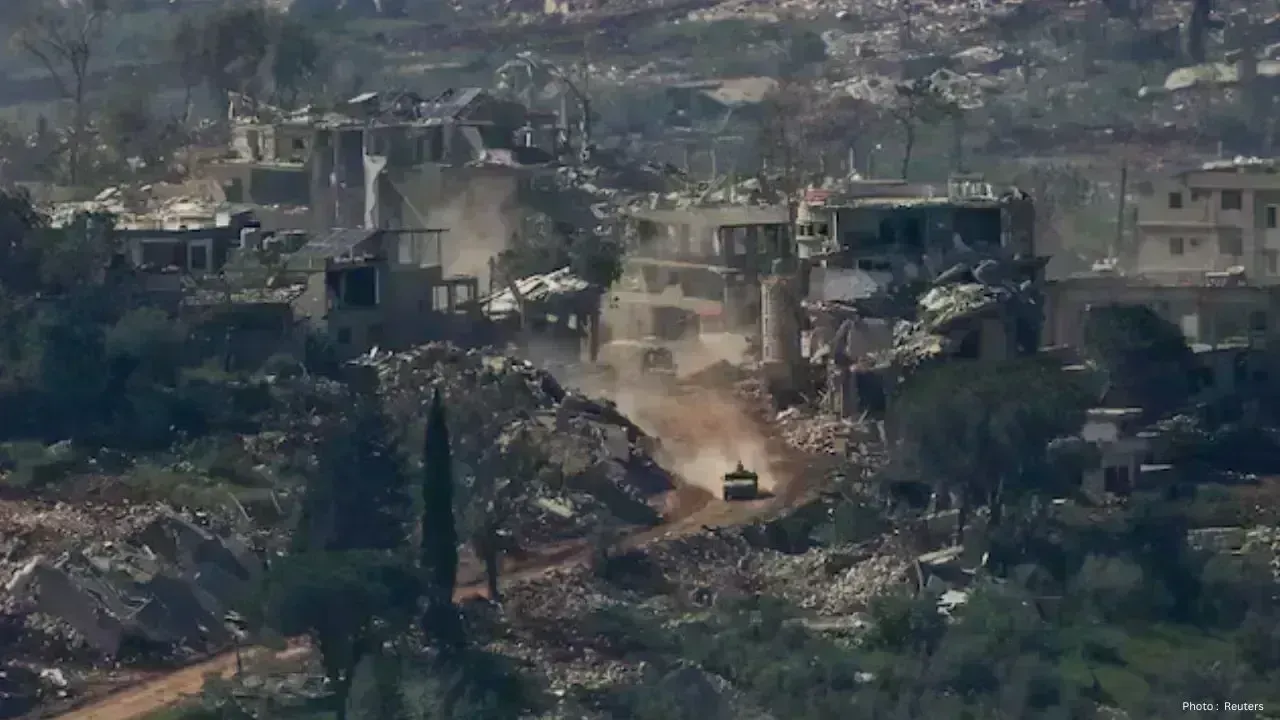
Meanwhile, the ground situation remains precarious. Even though a ceasefire exists, its fragility persists, leaving the door open for conflict. Sporadic incidents and military engagements continue to fuel unrest and uncertainty.
The repercussions of ongoing strife are evident in Lebanon, which has endured years of economic difficulties and instability. The intermittent conflict only exacerbates the challenges faced by citizens, who are grappling with rising living costs and dwindling opportunities.
Lebanon's internal discord is not a recent phenomenon; it has a long-standing history of political disputes often tied to sectarian and regional affiliations. Such complexities make decisive action particularly difficult amidst crises.
The current climate underscores the vital need for unity in any peace initiative. External support is important, but progress hinges on a coherent agreement within Lebanon. Without internal harmony, establishing trust and advancing negotiations becomes an uphill battle.
Saudi Arabia’s involvement in this sensitive situation is crucial yet intricate. While aiming to help stabilize the region, it must tread lightly to avoid escalating tensions, yet not be perceived as dragging its feet in negotiations.
Additionally, the broader regional dynamics continue to impact Lebanon's circumstances. Ongoing conflicts in the Middle East exert additional pressures, complicating Lebanon's situation further.
For many Lebanese, day-to-day challenges dominate their existence. Economic struggles, anxiety, and echoes of past conflicts weigh heavily, with citizens yearning for stability while political rifts prolong uncertainty.
Views on negotiations with Israel differ widely; some see them as an opportunity for peace, while others regard them as fraught with peril or unnecessary. This polarization exemplifies the overarching challenge of addressing national interests amid complex political realities.
Lebanon stands at a pivotal crossroads. The country must determine whether it can unite its leadership toward a collaborative stance or remain mired in division and uncertainty.
Moving forward will necessitate astute decision-making, strong leadership, and a commitment to finding common ground. Absent these elements, efforts to achieve peace and stability are likely to encounter prolonged delays.










PM Modi Pays Tribute to Mahatma Gandhi, Urges People to Support Khadi
PM Modi pays tribute to Mahatma Gandhi on Gandhi Jayanti and urges citizens to support Khadi and the

Amazon Seeks to Offload $8 Billion in Nvidia Chips to Investors
Amazon plans to move $8 billion in Nvidia chips to investors, using a new financing model to strengt

Samsung Raises Galaxy S26 Prices as Memory Chip Costs Rise
Samsung raises Galaxy S26 prices in South Korea as rising memory chip costs put pressure on smartpho

Lewis Hamilton Calls Singapore Grand Prix One of F1's Toughest Races
Lewis Hamilton discusses the demanding Singapore Grand Prix and brings Plus44 and Almave to Singapor

Denmark's Pandora Opens World's Largest Jewellery Factory in Vietnam
Pandora opens its largest jewellery factory in Vietnam, expanding global production, strengthening s

Gautam Gambhir Questions Batting-Friendly Pitches After India's Record ODI Chase
Gautam Gambhir questions batting-friendly ODI pitches after India’s record chase, calling for a bett

