
You have not yet added any article to your bookmarks!
Join 10k+ people to get notified about new posts, news and tips.
Do not worry we don't spam!
Post by : Shweta
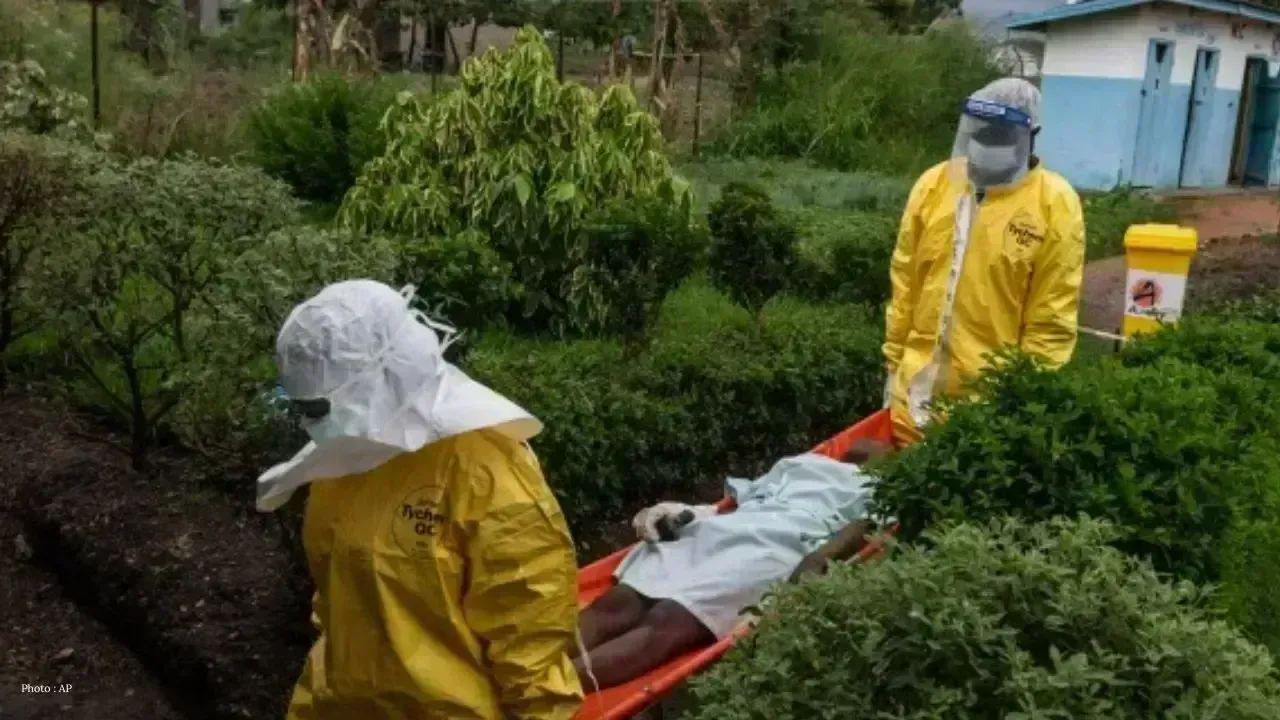
In response to a rapidly escalating Ebola outbreak in the Democratic Republic of the Congo (DRC), the medical charity Doctors Without Borders (MSF) is ramping up its emergency interventions. The urgency of the situation has alarmed healthcare workers and prompted key organizations to mobilize resources to halt the disease's spread.
MSF reports that the outbreak’s swift progression necessitates the deployment of additional medical personnel, treatment centers, and rigorous disease monitoring in the regions affected. Local health workers are collaborating with international partners to trace contacts, identify new infections, and administer care to those impacted. According to MSF, timely action is crucial for curbing the outbreak before it engulfs more communities.
Ebola is a serious viral disease transmitted through direct contact with the bodily fluids of infected individuals or contaminated surfaces. Symptoms include fever, severe fatigue, muscle aches, vomiting, diarrhea, and in grave cases, both internal and external bleeding. Early medical intervention can greatly enhance survival rates and mitigate transmission.
MSF has dispatched response teams to bolster local healthcare systems that are increasingly overwhelmed as cases rise. Resources are being allocated to enhance testing capabilities, improve isolation measures for patients, and provide essential protective gear for healthcare workers. Extensive community outreach efforts are also underway to educate local populations on symptoms, preventive measures, and the urgency of seeking help without delay.
Experts caution that controlling Ebola outbreaks poses significant challenges, especially in remote areas where healthcare access is limited. Issues such as population movements, difficulties in transportation, and public apprehension towards health authorities hinder case tracking and isolation efforts. Consequently, responses are heavily focused on community engagement and awareness initiatives.
The DRC has faced multiple Ebola outbreaks in recent decades, gaining considerable experience in disease management. However, health officials underscore that each new outbreak brings distinct challenges that demand swift, coordinated actions. Vaccination strategies, contact tracing, and public health education are pivotal in curtailing the virus’s spread.
Global health organizations are closely monitoring developments. While Ebola remains a significant threat in affected areas, experts believe that decisive public health measures can effectively control outbreaks when executed in a timely and thorough manner. The contributions from MSF and other humanitarian groups are expected to be crucial in fortifying the overall response effort.
As efforts continue to manage the outbreak, healthcare teams remain dedicated to averting further infections and safeguarding at-risk communities. The following weeks will be vital in assessing the effectiveness of containment strategies and whether additional international support is necessary.










PM Modi Pays Tribute to Mahatma Gandhi, Urges People to Support Khadi
PM Modi pays tribute to Mahatma Gandhi on Gandhi Jayanti and urges citizens to support Khadi and the

Amazon Seeks to Offload $8 Billion in Nvidia Chips to Investors
Amazon plans to move $8 billion in Nvidia chips to investors, using a new financing model to strengt

Samsung Raises Galaxy S26 Prices as Memory Chip Costs Rise
Samsung raises Galaxy S26 prices in South Korea as rising memory chip costs put pressure on smartpho

Lewis Hamilton Calls Singapore Grand Prix One of F1's Toughest Races
Lewis Hamilton discusses the demanding Singapore Grand Prix and brings Plus44 and Almave to Singapor

Denmark's Pandora Opens World's Largest Jewellery Factory in Vietnam
Pandora opens its largest jewellery factory in Vietnam, expanding global production, strengthening s

Gautam Gambhir Questions Batting-Friendly Pitches After India's Record ODI Chase
Gautam Gambhir questions batting-friendly ODI pitches after India’s record chase, calling for a bett

