
You have not yet added any article to your bookmarks!
Join 10k+ people to get notified about new posts, news and tips.
Do not worry we don't spam!
Post by : Shakul
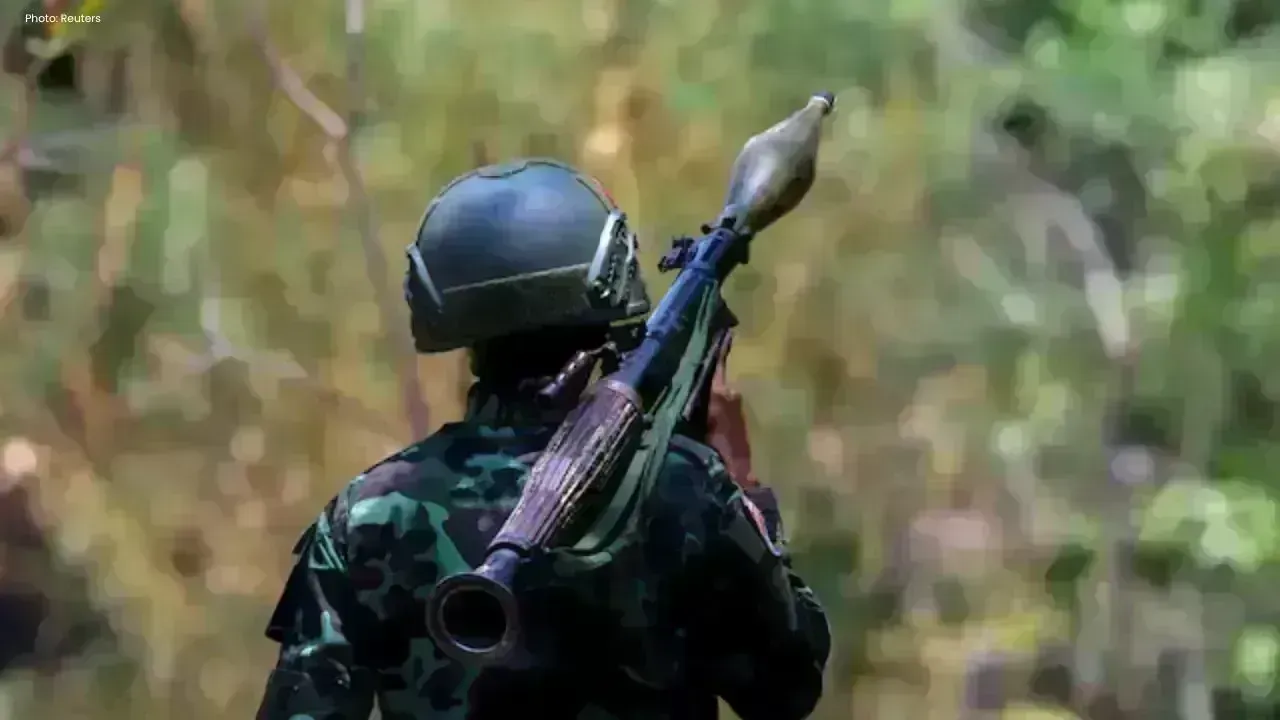
Myanmar’s prolonged civil war has entered a new phase as military forces continue to regain territory in several parts of the country, placing increasing pressure on rebel groups that once appeared to hold the momentum. The conflict, which began after the military seized power in 2021, has left thousands dead and displaced millions, creating one of Southeast Asia’s most serious humanitarian crises.
Recent developments indicate that the military has strengthened its position largely through the enforcement of a nationwide conscription policy introduced in 2024. Young men across the country have reportedly been compelled to join the armed forces, significantly increasing the military’s manpower. While many recruits were unwilling participants, their presence has allowed the junta to reinforce front-line positions and launch new offensives in strategic regions.
In Karen State, where resistance fighters previously captured key towns and military installations, rebel commanders now face growing challenges. Military forces supported by drones, artillery, and air power are advancing toward resistance-held areas. Rebel leaders say they are struggling with shortages of weapons, ammunition, and equipment, making it increasingly difficult to maintain defensive positions against larger and better-equipped government forces.
Resistance groups also claim that the military has improved its battlefield tactics and expanded its aerial capabilities. According to commanders operating in the region, junta aircraft now conduct more coordinated missions while drone surveillance has become a major threat to rebel movements. The military's technological advantage has complicated efforts by resistance forces to hold territory and conduct operations effectively.
Adding to the rebels’ difficulties are regional political developments and supply challenges. Several ceasefire arrangements involving ethnic armed groups have altered the battlefield dynamics, while access to weapons and ammunition has become more restricted. Resistance fighters say that limited resources are preventing them from fully capitalizing on earlier military gains achieved during the conflict.
Despite mounting pressure, many fighters remain committed to their cause. Field hospitals hidden in remote jungle areas continue treating wounded combatants, while communities supporting the resistance endure difficult conditions. Medical teams operate with limited supplies and infrastructure, yet continue providing care to those injured in ongoing clashes.
As the conflict intensifies, uncertainty surrounds Myanmar’s future. While the military has made significant advances in recent months, resistance groups insist they will continue their struggle for a democratic system. With neither side showing signs of backing down, the war is expected to remain a major source of instability across the country in the months ahead.










PM Modi Pays Tribute to Mahatma Gandhi, Urges People to Support Khadi
PM Modi pays tribute to Mahatma Gandhi on Gandhi Jayanti and urges citizens to support Khadi and the

Amazon Seeks to Offload $8 Billion in Nvidia Chips to Investors
Amazon plans to move $8 billion in Nvidia chips to investors, using a new financing model to strengt

Samsung Raises Galaxy S26 Prices as Memory Chip Costs Rise
Samsung raises Galaxy S26 prices in South Korea as rising memory chip costs put pressure on smartpho

Lewis Hamilton Calls Singapore Grand Prix One of F1's Toughest Races
Lewis Hamilton discusses the demanding Singapore Grand Prix and brings Plus44 and Almave to Singapor

Denmark's Pandora Opens World's Largest Jewellery Factory in Vietnam
Pandora opens its largest jewellery factory in Vietnam, expanding global production, strengthening s

Gautam Gambhir Questions Batting-Friendly Pitches After India's Record ODI Chase
Gautam Gambhir questions batting-friendly ODI pitches after India’s record chase, calling for a bett

