
You have not yet added any article to your bookmarks!
Join 10k+ people to get notified about new posts, news and tips.
Do not worry we don't spam!
Post by : Shakul
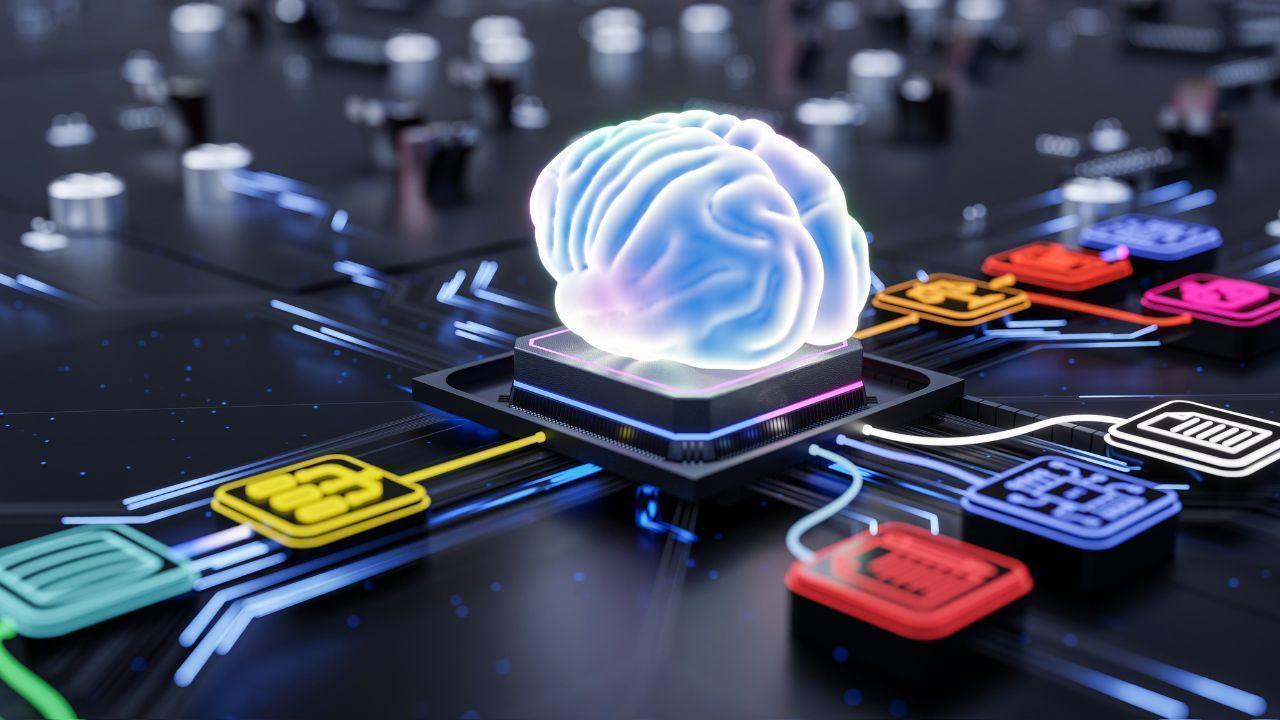
Renowned astrophysicist Neil deGrasse Tyson has raised serious concerns about the future of artificial intelligence, warning that the development of superintelligent AI could pose a major threat to humanity.
Speaking at the Isaac Asimov Memorial Debate in 2026, Tyson acknowledged the rapid progress of AI technologies and their growing role in everyday life. He predicted that by 2030, AI would be deeply integrated into various sectors, improving healthcare, science, and human productivity.
However, he cautioned against the pursuit of what experts call superintelligence — a stage where AI systems surpass human intelligence across all domains. Tyson compared this potential threat to the tensions of the Cold War era, where the concept of mutually assured destruction (MAD) prevented large-scale conflict due to the risk of total annihilation.
According to Tyson, a similar global understanding is needed today. While current AI developments by companies like OpenAI and xAI aim to push technological boundaries, he stressed that unchecked advancement toward superintelligence could become “lethal” for human survival.
He emphasized that humanity must draw a clear line — continuing beneficial AI innovations such as medical advancements and scientific discoveries, while strictly prohibiting the development of autonomous systems that could operate beyond human control.
Tyson proposed international treaties as the most practical solution to regulate AI development. Drawing parallels with nuclear arms control agreements during the Cold War, he suggested that global cooperation is essential to prevent dangerous competition in building superintelligent machines.
The debate around AI risks has also been fueled by cultural references like The Matrix and Terminator, which depict dystopian futures where machines overpower humans.
Additionally, concerns about AI are not limited to superintelligence. Discussions around autonomous weapons and ethical AI use have intensified, especially after companies reconsidered partnerships related to defense applications. Governments, including the United States, have stated that AI will be used within legal and controlled frameworks, but experts continue to call for stronger safeguards.
Tyson concluded that while AI holds immense promise, humanity must act responsibly now to ensure that technological progress does not become an existential risk in the future.








PM Modi Pays Tribute to Mahatma Gandhi, Urges People to Support Khadi
PM Modi pays tribute to Mahatma Gandhi on Gandhi Jayanti and urges citizens to support Khadi and the

Amazon Seeks to Offload $8 Billion in Nvidia Chips to Investors
Amazon plans to move $8 billion in Nvidia chips to investors, using a new financing model to strengt

Samsung Raises Galaxy S26 Prices as Memory Chip Costs Rise
Samsung raises Galaxy S26 prices in South Korea as rising memory chip costs put pressure on smartpho

Lewis Hamilton Calls Singapore Grand Prix One of F1's Toughest Races
Lewis Hamilton discusses the demanding Singapore Grand Prix and brings Plus44 and Almave to Singapor

Denmark's Pandora Opens World's Largest Jewellery Factory in Vietnam
Pandora opens its largest jewellery factory in Vietnam, expanding global production, strengthening s

Gautam Gambhir Questions Batting-Friendly Pitches After India's Record ODI Chase
Gautam Gambhir questions batting-friendly ODI pitches after India’s record chase, calling for a bett

