
You have not yet added any article to your bookmarks!
Join 10k+ people to get notified about new posts, news and tips.
Do not worry we don't spam!
Post by : Shweta
The United States Department of Agriculture (USDA) has confirmed the presence of a New World screwworm in a Texas calf, raising alarms about animal wellbeing and food security. This finding is particularly concerning as the screwworm parasite is known for inflicting severe harm on livestock, with a long history of being one of the most damaging pests to cattle and other animals in the Americas.
The infected calf was identified during routine monitoring activities, prompting a swift investigation by authorities. Rapid action aims to prevent the parasite from spreading to other livestock. Officials underscore that timely detection is paramount for controlling outbreaks and safeguarding the agricultural industry against significant economic losses.
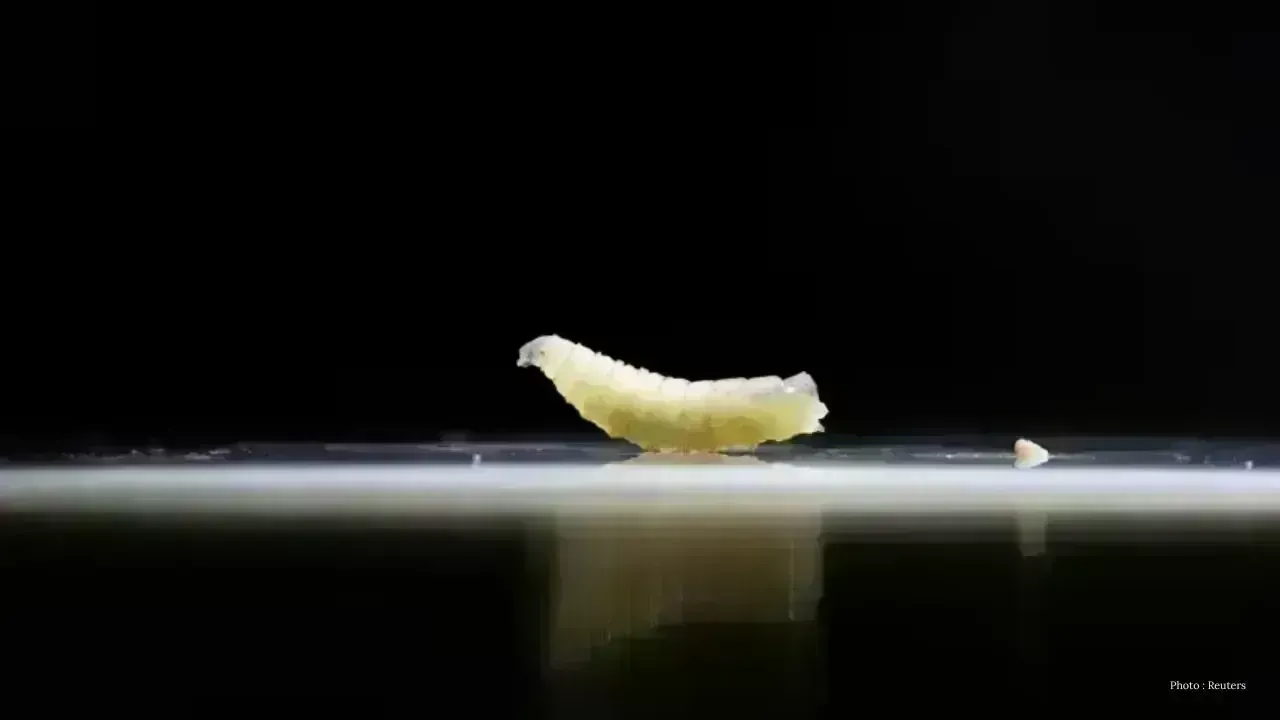
The New World screwworm is a parasitic fly whose larvae consume the living tissue of warm-blooded creatures. Distinct from other fly species, which target dead tissue for egg-laying, screwworms are attracted to open wounds, where their larvae begin to feed on healthy flesh. This can lead to painful injuries, severe infections, and, if untreated, can result in death.
Historically, the screwworm was prevalent across North America but has been largely eradicated from the United States thanks to decades of concerted eradication efforts, which included the release of sterile male flies to reduce reproduction. This campaign remains one of the most effective animal health initiatives in modern agricultural history.
The recent case has ignited concerns among farmers, ranchers, and agricultural officials. Healthy livestock is crucial for meat, dairy, and other agricultural outputs, and a significant outbreak could result in increased veterinary expenses, animal losses, and food production disruptions. Experts warn of the severe ramifications that unchecked spread of the parasite could pose to cattle operations and other livestock sectors.
The USDA has clarified that the current situation does not signal a widespread outbreak. However, to address the risk, officials are ramping up surveillance efforts and advising livestock owners to monitor animals for unusual wounds or infection signs closely. Swift reporting of suspected cases is deemed essential for curtailing further spread.
Additionally, agricultural authorities are collaborating with state agencies, veterinarians, and industry stakeholders to enhance monitoring initiatives. This includes thorough inspections, laboratory analyses, and educational outreach to empower producers to identify and report potential cases. Officials maintain that cooperation across the agricultural sector will be crucial in managing the situation effectively.
The current discovery has caught broader attention due to its potential impacts on food production, especially within the cattle sector, which plays a vital role in North American agriculture by supplying beef and other products to both domestic and international markets. Diseases or pests threatening livestock health could lead to significant challenges for producers and supply chains.
In Canada, agricultural experts and border health officials are closely monitoring the development. While the incident unfolded in Texas, threats to animal health can have regional consequences. Canadian authorities routinely observe emerging livestock diseases and pests to safeguard the nation’s agricultural interests and ensure biosecurity.
Veterinary specialists highlight how modern surveillance systems and swift response programs equip authorities with essential tools to mitigate potential outbreaks. Advances in animal health monitoring have bolstered officials’ capacity to identify threats early and take action before they escalate. Nonetheless, experts emphasize the necessity for ongoing vigilance whenever significant livestock pests are detected.
As of now, the USDA has not imposed any major trade restrictions related to this case and continues to evaluate the situation. Investigations are active, and additional monitoring will persist in affected areas. The agency is expected to release more updates as they become available.
The identification of a New World screwworm in a Texas calf serves as a stark reminder of the persistent challenges in animal health and agricultural security. While authorities are confident the case was detected swiftly, sustained surveillance and cooperation among farmers, veterinarians, and government agencies will be vital in curbing further spread. The upcoming weeks are critical as officials strive to safeguard livestock, support food production, and uphold trust in the agricultural sector.










PM Modi Pays Tribute to Mahatma Gandhi, Urges People to Support Khadi
PM Modi pays tribute to Mahatma Gandhi on Gandhi Jayanti and urges citizens to support Khadi and the

Amazon Seeks to Offload $8 Billion in Nvidia Chips to Investors
Amazon plans to move $8 billion in Nvidia chips to investors, using a new financing model to strengt

Samsung Raises Galaxy S26 Prices as Memory Chip Costs Rise
Samsung raises Galaxy S26 prices in South Korea as rising memory chip costs put pressure on smartpho

Lewis Hamilton Calls Singapore Grand Prix One of F1's Toughest Races
Lewis Hamilton discusses the demanding Singapore Grand Prix and brings Plus44 and Almave to Singapor

Denmark's Pandora Opens World's Largest Jewellery Factory in Vietnam
Pandora opens its largest jewellery factory in Vietnam, expanding global production, strengthening s

Gautam Gambhir Questions Batting-Friendly Pitches After India's Record ODI Chase
Gautam Gambhir questions batting-friendly ODI pitches after India’s record chase, calling for a bett

