
You have not yet added any article to your bookmarks!
Join 10k+ people to get notified about new posts, news and tips.
Do not worry we don't spam!
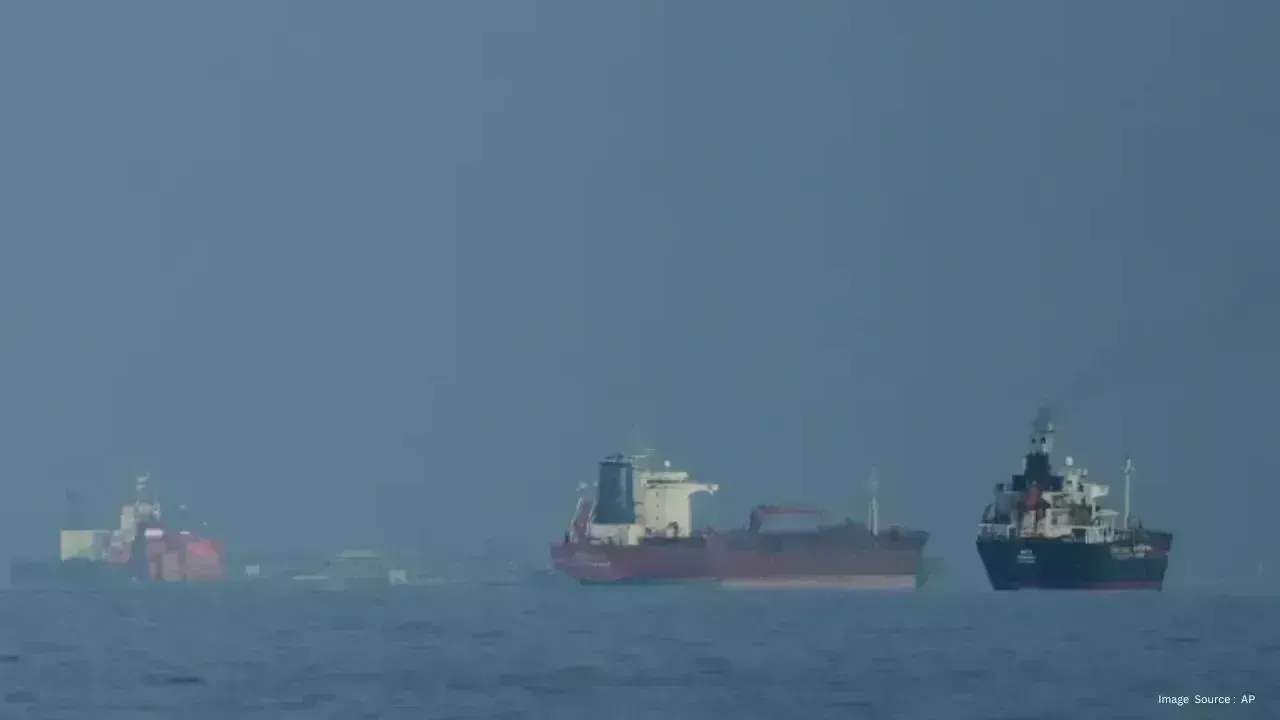
Post by : Saif Rahman
Amid rising geopolitical tensions, global oil prices have sharply escalated following the United States' naval blockade of Iran. The blockade has instilled anxiety regarding energy supply and economic stability on a global scale. Brent crude oil, serving as a vital benchmark, has soared past $103 per barrel, reflecting a significant and rapid increase.
This price spike was triggered by the announcement of the blockade, which came on the heels of failed peace negotiations between the US and Iran. Consequently, tensions in the Middle East—an area crucial for global oil supply—have heightened, prompting quick reactions in oil markets as traders brace for possible supply interruptions.
The Strait of Hormuz now lies at the epicenter of this crisis—a critical passage for oil transport, where nearly 20% of the world's oil and gas traverse. Any disruption of this route can incite immediate panic across global markets, jeopardizing energy supplies to nations in Asia, Europe, and beyond.
The US's blockade is set to inhibit vessels from entering or departing Iranian ports, potentially leading to a drop in global oil availability. Analysts predict this could equate to the loss of millions of barrels per day from the market, exacerbating shortages and elevating prices even further.
This escalation is a continuation of a protracted conflict. Previously, a temporary ceasefire had stabilized oil prices. However, with negotiations collapsed, tensions have resurfaced, prompting the blockade decision.
The repercussions of rising oil prices are being felt across global markets, with stock exchanges experiencing dips and currencies weakening in light of inflationary concerns. In countries like India, where reliance on oil imports is high, the economic impact is particularly severe, leading to pressure on the rupee.
Increased oil prices are likely to elevate transport, electricity, and everyday goods costs, which could spur inflation and heighten living expenses for everyday consumers. Consequently, governments might struggle to manage fuel prices, fostering public discontent.
Moreover, the crisis carries the potential for further escalation. Iran has signaled a possible robust reaction to the blockade, raising fears that any military actions might severely disrupt oil supplies and drive prices even higher. Analysts express concern that prolonged conflict could trigger a persistent energy crisis.
As the global economy grapples with recovery, this new development adds considerable strain. Central banks may be pushed to maintain elevated interest rates to manage inflation, possibly slowing economic growth.
Energy specialists underline the current situation as one of the most significant threats to global energy security seen in years. Ongoing conflicts in the oil-sensitive Middle East invariably impact the global landscape.
This crisis also underscores an urgent need for countries to lessen their oil dependency and invest in renewable energy. Alternatives such as solar and wind power may gain importance as nations strive for more secure and stable energy resources.
The US's blockade decision elicits political debate—seen by some as a firm stance against Iran, while others caution that it might escalate tensions further. The international community is observing closely, with hopes for diplomatic resolutions.
The forthcoming days are critical; escalating tensions could drive oil prices higher still, with global economies at stake. Conversely, renewed diplomatic efforts might stabilize markets.
In conclusion, the recent surge in oil prices is a stark reminder of the interconnectedness of global markets and political situations. Decisions made in one region resonate across the world, affecting millions.
The existing uncertainty beckons, and the resolution of this crisis will undoubtedly influence global energy and economic stability in the future.










PM Modi Pays Tribute to Mahatma Gandhi, Urges People to Support Khadi
PM Modi pays tribute to Mahatma Gandhi on Gandhi Jayanti and urges citizens to support Khadi and the

Amazon Seeks to Offload $8 Billion in Nvidia Chips to Investors
Amazon plans to move $8 billion in Nvidia chips to investors, using a new financing model to strengt

Samsung Raises Galaxy S26 Prices as Memory Chip Costs Rise
Samsung raises Galaxy S26 prices in South Korea as rising memory chip costs put pressure on smartpho

Lewis Hamilton Calls Singapore Grand Prix One of F1's Toughest Races
Lewis Hamilton discusses the demanding Singapore Grand Prix and brings Plus44 and Almave to Singapor

Denmark's Pandora Opens World's Largest Jewellery Factory in Vietnam
Pandora opens its largest jewellery factory in Vietnam, expanding global production, strengthening s

Gautam Gambhir Questions Batting-Friendly Pitches After India's Record ODI Chase
Gautam Gambhir questions batting-friendly ODI pitches after India’s record chase, calling for a bett

