
You have not yet added any article to your bookmarks!
Join 10k+ people to get notified about new posts, news and tips.
Do not worry we don't spam!
Post by : Saif Rahman
The recent stalling of negotiations between the United States and Iran has resulted in a notable uptick in global oil prices. This escalation underscores the intricate link between political stability and the world economy, with the Middle East at its core. Increased tensions and halted discussions have led energy markets to react swiftly, influencing economies and lifestyles everywhere.
Market analyses reveal a spike in oil prices following the postponement of scheduled talks between the US and Iran. This has reignited worries about supply constraints. The failure to reach an agreement has left the market uncertain about the availability of oil in the near term, particularly from pivotal regions.
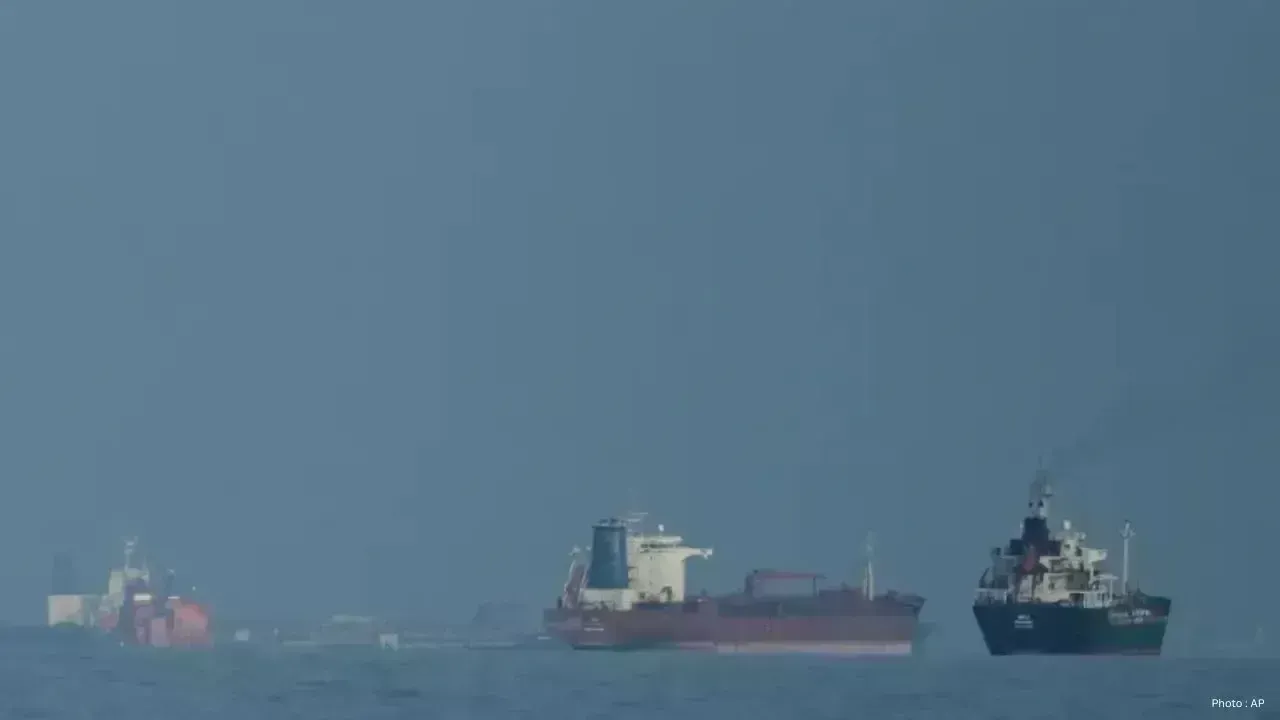
Concerns center around the Strait of Hormuz, a critical corridor for global oil transit. A significant portion of the world’s oil flows through this narrow passage. Any disruptions here could rapidly impact worldwide supply and drive prices upward. Recent hostilities and limitations in this area have already complicated oil shipment operations.
The halted negotiations reflect a broader strategic dilemma between the US and Iran. Previous diplomatic efforts had sparked some optimism regarding potential de-escalation, but recent delays have dampened these hopes. As negotiations remain in limbo, markets brace for ongoing instability. This unpredictability often leads to heightened oil prices as traders react to potential supply crises.
Escalating oil prices extend beyond mere market figures; they influence daily life significantly. Higher fuel prices raise transportation costs, which in turn affects the prices of essential goods, including food and household items. Nations heavily reliant on oil imports, particularly those in Asia, may find themselves under increased financial strain.
The rise in oil prices can also catalyze inflationary pressures. With businesses facing higher fuel costs, they typically adjust the prices of their offerings, forcing consumers to dig deeper into their wallets even amidst stagnant wages. Over time, such shifts could hinder economic momentum and complicate financial conditions for many families.
This situation further illustrates the delicate nature of global energy systems. Political strife, shipping interruptions, and failed discussions can swiftly influence supply and pricing dynamics. It accentuates the necessity for stable international relations to maintain equilibrium in energy markets.
Simultaneously, increasing oil prices might incentivize countries to explore alternative energy solutions. As fuel becomes pricier, governments and corporations could ramp up investments in renewables, such as solar, wind energy, and electric vehicles, potentially diminishing future oil reliance, although this transition demands time.
Short-term, oil-exporting nations may enjoy the financial benefits of rising prices, profiting from increased exports. However, long-term instability can breed uncertainty for all stakeholders, including producers. Volatile price fluctuations complicate long-term planning and can disrupt global trade patterns.
The breakdown of negotiations also raises alarms about the future of diplomatic relations. Engaging in dialogue acts as a fundamental tool for conflict resolution and tension alleviation. A failure in negotiations heightens the risks of escalating disputes, impacting not only the directly involved parties but the global economy at large.










PM Modi Pays Tribute to Mahatma Gandhi, Urges People to Support Khadi
PM Modi pays tribute to Mahatma Gandhi on Gandhi Jayanti and urges citizens to support Khadi and the

Amazon Seeks to Offload $8 Billion in Nvidia Chips to Investors
Amazon plans to move $8 billion in Nvidia chips to investors, using a new financing model to strengt

Samsung Raises Galaxy S26 Prices as Memory Chip Costs Rise
Samsung raises Galaxy S26 prices in South Korea as rising memory chip costs put pressure on smartpho

Lewis Hamilton Calls Singapore Grand Prix One of F1's Toughest Races
Lewis Hamilton discusses the demanding Singapore Grand Prix and brings Plus44 and Almave to Singapor

Denmark's Pandora Opens World's Largest Jewellery Factory in Vietnam
Pandora opens its largest jewellery factory in Vietnam, expanding global production, strengthening s

Gautam Gambhir Questions Batting-Friendly Pitches After India's Record ODI Chase
Gautam Gambhir questions batting-friendly ODI pitches after India’s record chase, calling for a bett

