
You have not yet added any article to your bookmarks!
Join 10k+ people to get notified about new posts, news and tips.
Do not worry we don't spam!
Post by : Saif Rahman
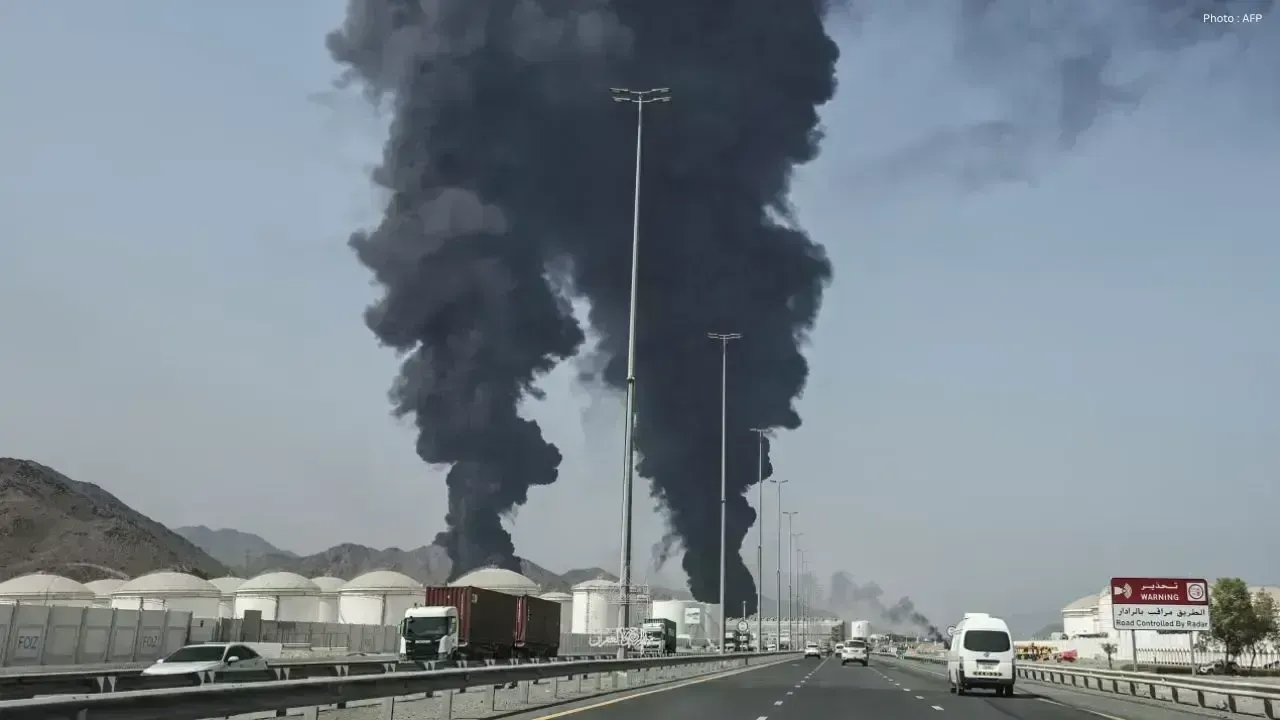
The oil loading operations at Oman’s Mina al Fahal terminal have been suspended in the aftermath of an explosion at this crucial energy hub. This incident has captured the attention of global energy markets, as the terminal significantly contributes to the country's crude oil export capabilities.
This pause in operations arrives at a time when international energy supplies are already under scrutiny, prompting traders and governments to keep a close eye on developments in the Middle East. Disruptions to major export facilities often trigger concerns regarding the reliability of oil shipments from the region.
While comprehensive details surrounding the explosion are yet to be disclosed by authorities, the temporary cessation of loading activities underscores the necessity for safety evaluations as officials continue to investigate and inspect the impacted site. Such precautions are customary in the wake of incidents affecting energy infrastructure, where ensuring operational safety is paramount.
Mina al Fahal is pivotal for Oman's oil exports, situated near Muscat, and handles a significant share of the country's crude shipments destined for global markets. Consequently, any disruptions at this terminal garner significant attention from energy corporations, shipping companies, and financial sectors worldwide.
This situation illustrates the interconnected nature of global energy systems. Modern oil markets rely on an intricate web of production sites, pipelines, storage facilities, and distribution networks. A disruption at one key point can trigger widespread concerns across the entire market.
Experts in the energy sector indicate that the immediate repercussions will largely hinge on the severity of the damage and the duration of the shutdown. A swift return to operations may mitigate the impact on supply, while an extended halt could exacerbate pressures in an energy market already facing geopolitical uncertainties and price variability.
The Middle East continues to hold a critical position in the global energy landscape, with numerous economies depending significantly on oil exports from Gulf nations to support industrial, transportation, and commercial needs. Thus, any developments affecting export infrastructure are closely monitored by both governments and businesses.
Furthermore, shipping companies are closely observing the unfolding situation, as export terminals serve vital functions bridging producers with international customers. Any disruptions could complicate schedules, elevate logistical challenges, and result in delivery delays, impacting global supply chains.
For Oman, maintaining consistent energy exports is integral to its economy, with revenue from crude shipments playing a vital role in government finance and various development initiatives. Therefore, ensuring the safety and operational continuity of export facilities is a key economic imperative.
This incident highlights the complexities involved in managing large-scale industrial operations. Oil terminals must navigate a variety of challenges that demand ongoing maintenance, monitoring, and safety adherence. Despite technological advancements and stringent regulations, unexpected events can arise, necessitating prompt responses.
Energy analysts suggest that market reactions will largely depend on forthcoming updates from authorities and industry players. Investors seek clarity on damage extent, repair timelines, and implications for export volumes, with transparency significantly reducing uncertainties in such situations.
The explosion occurs amid a backdrop of heightened sensitivity in global energy markets due to ongoing geopolitical tensions and shifting economic landscapes. Thus, such unexpected disruptions gain considerable international attention.
Beyond the immediate market response, this incident serves as a reminder of the essential need for infrastructure resilience. Nations heavily reliant on energy exports must consistently invest in safety protocols, emergency responses, and facility enhancements to mitigate risks and uphold operational reliability.
Government bodies alongside industry stakeholders are anticipated to persist in investigating the explosion's cause while striving to restore normal operations as soon as feasibly safe. Their findings could yield insights into enhancing safety frameworks and preventing similar events in the future.
The suspension of oil loading activities at Mina al Fahal showcases the vital role export terminals play in the global energy supply chain. As investigations progress and authorities review the situation, international markets will be vigilant. The rate of recovery and capacity to safely resume exports will likely dictate the long-lasting economic and market ramifications of this incident. Currently, focus remains on Oman's efforts to manage this disruption while instilling confidence within its energy sector.










PM Modi Pays Tribute to Mahatma Gandhi, Urges People to Support Khadi
PM Modi pays tribute to Mahatma Gandhi on Gandhi Jayanti and urges citizens to support Khadi and the

Amazon Seeks to Offload $8 Billion in Nvidia Chips to Investors
Amazon plans to move $8 billion in Nvidia chips to investors, using a new financing model to strengt

Samsung Raises Galaxy S26 Prices as Memory Chip Costs Rise
Samsung raises Galaxy S26 prices in South Korea as rising memory chip costs put pressure on smartpho

Lewis Hamilton Calls Singapore Grand Prix One of F1's Toughest Races
Lewis Hamilton discusses the demanding Singapore Grand Prix and brings Plus44 and Almave to Singapor

Denmark's Pandora Opens World's Largest Jewellery Factory in Vietnam
Pandora opens its largest jewellery factory in Vietnam, expanding global production, strengthening s

Gautam Gambhir Questions Batting-Friendly Pitches After India's Record ODI Chase
Gautam Gambhir questions batting-friendly ODI pitches after India’s record chase, calling for a bett

