
You have not yet added any article to your bookmarks!
Join 10k+ people to get notified about new posts, news and tips.
Do not worry we don't spam!
Post by : Abhinav Rana
Photo : X / @OKCFOX
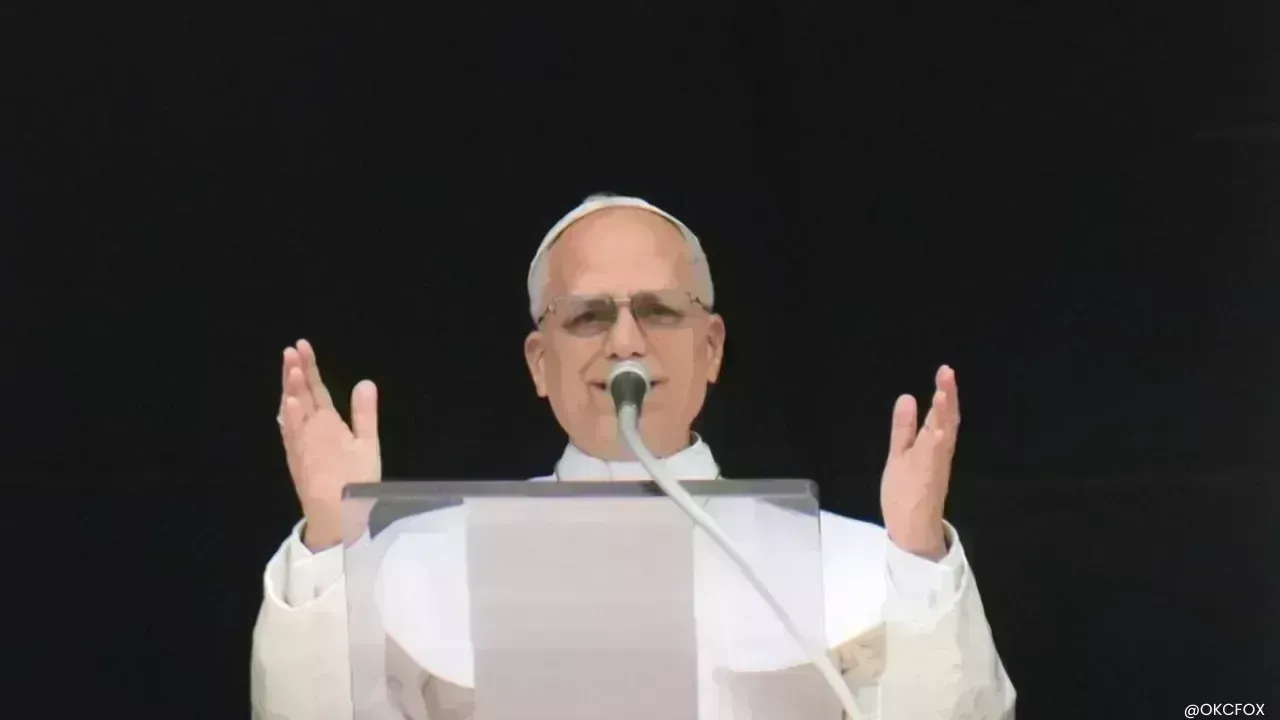
A significant shift has occurred on the geopolitical stage, with Pope Leo XIV and Donald Trump locked in a disagreement that transcends traditional political boundaries. The ongoing Iran war has become a platform for a remarkable stand-off between spiritual influence and political maneuvering. What initially sparked debate over military tactics has morphed into a larger discourse on ethics, diplomacy, and future conflict resolution methodologies. As global economies wrestle with uncertainties and disrupted supply chains, this ideological split introduces further complications for international relations and decision-making.
Central to this confrontation is the escalating conflict in Iran, which has already destabilized geopolitics and strained crucial international trade routes. The strategically pivotal Strait of Hormuz has seen increased military activity, raising alarms for industries reliant on seamless logistics and energy supplies.
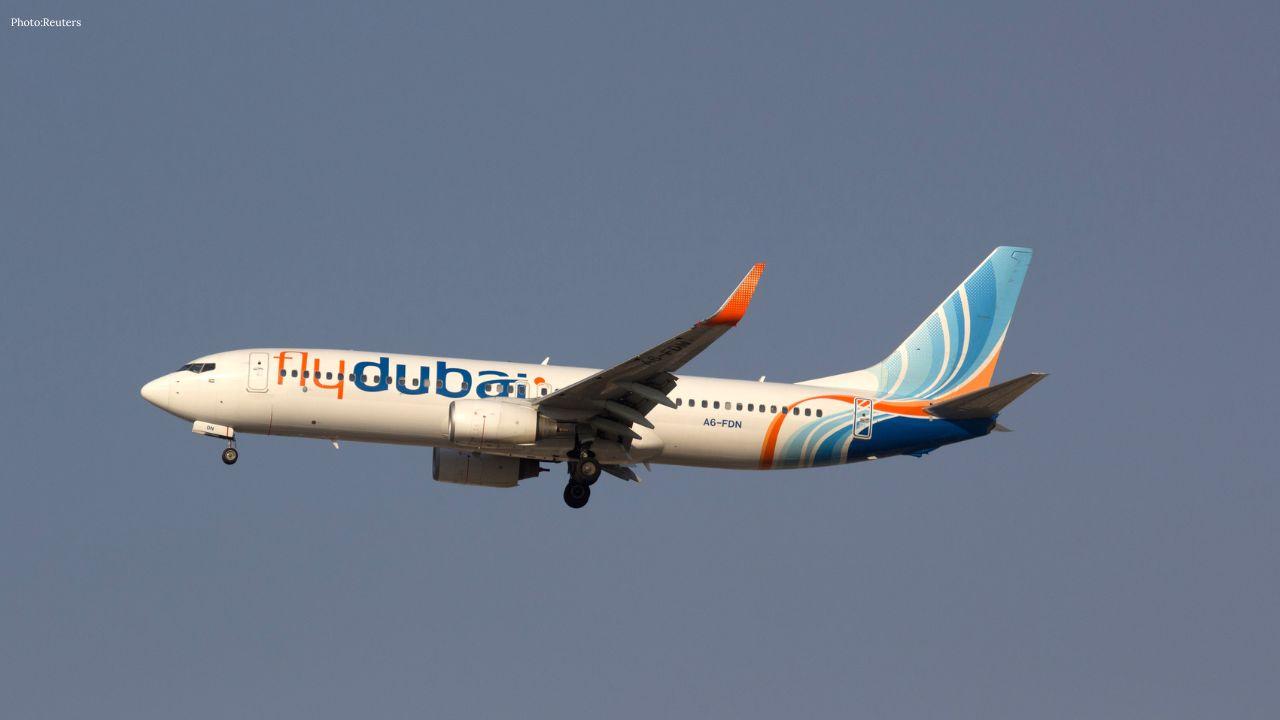
The ongoing hostilities, characterized by intermittent ceasefire attempts and renewed military threats, have destabilized oil markets and injected uncertainty into global transport sectors. Industries from aviation to maritime logistics are feeling the immediate repercussions, underscoring the intertwined nature of political dynamics and economic vitality.
At the core of the debate is Pope Leo’s firm opposition to war, insisting on dialogue as a preferred alternative. He has condemned the conflict as “the madness of war,” urging international leaders to place negotiations and humanitarian efforts above aggressive military posturing.
His criticisms extend beyond mere suggestions, directly challenging aggressive rhetoric that could lead to civilian suffering. By advocating for ethical leadership, Pope Leo positions himself as a pivotal voice for peace amidst escalating military confrontations, reiterating the Vatican’s dedication to crisis resolution.
Conversely, Donald Trump has defended a more militant stance towards Iran, citing it as essential for countering nuclear ambitions and maintaining global security. His pointed remarks about the Pope’s ineffectiveness in foreign affairs have intensified the tension, turning it into a prominent global debate.
Trump’s approach reflects a doctrine that emphasizes strength and deterrence, particularly in energy-rich regions. Yet it faces criticism for potentially escalating conflicts and hindering diplomatic initiatives at a time when global unity is crucial.
The ramifications of this ideological conflict extend far into global trade and transportation paradigms. Middle Eastern instability has started to disrupt shipping lanes, aviation schedules, and fuel costs, all vital to modern economies.
For sectors highlighted in Armust's coverage, the stakes are alarmingly high. Disruptions in maritime routes can lead to extensive delays in supply chains, soaring operational expenses, and altered global trade dynamics, emphasizing that geopolitical decisions are now central to the infrastructure and logistics of a connected world.
As the situation in Iran unfolds, the rift between Pope Leo and Trump symbolizes more than a surface-level political disagreement; it represents a pivotal moment in global conflict approach. On one side lies the appeal for dialogue and ethical governance; on the other, strategies grounded in power and dominance.
The resolution of this ideological rift could shape not only the future of the current conflict but also the broader landscape of international diplomacy. Both industries and governments face the daunting challenge of navigating a landscape increasingly driven by geopolitical tensions and their economic ramifications.
#Donald Trump #Global Diplomacy #Middle East Crisis #Iran War #Pope Leo XIV #Middle East Conflict






PM Modi Pays Tribute to Mahatma Gandhi, Urges People to Support Khadi
PM Modi pays tribute to Mahatma Gandhi on Gandhi Jayanti and urges citizens to support Khadi and the

Amazon Seeks to Offload $8 Billion in Nvidia Chips to Investors
Amazon plans to move $8 billion in Nvidia chips to investors, using a new financing model to strengt

Samsung Raises Galaxy S26 Prices as Memory Chip Costs Rise
Samsung raises Galaxy S26 prices in South Korea as rising memory chip costs put pressure on smartpho

Lewis Hamilton Calls Singapore Grand Prix One of F1's Toughest Races
Lewis Hamilton discusses the demanding Singapore Grand Prix and brings Plus44 and Almave to Singapor

Denmark's Pandora Opens World's Largest Jewellery Factory in Vietnam
Pandora opens its largest jewellery factory in Vietnam, expanding global production, strengthening s

Gautam Gambhir Questions Batting-Friendly Pitches After India's Record ODI Chase
Gautam Gambhir questions batting-friendly ODI pitches after India’s record chase, calling for a bett

