
You have not yet added any article to your bookmarks!
Join 10k+ people to get notified about new posts, news and tips.
Do not worry we don't spam!
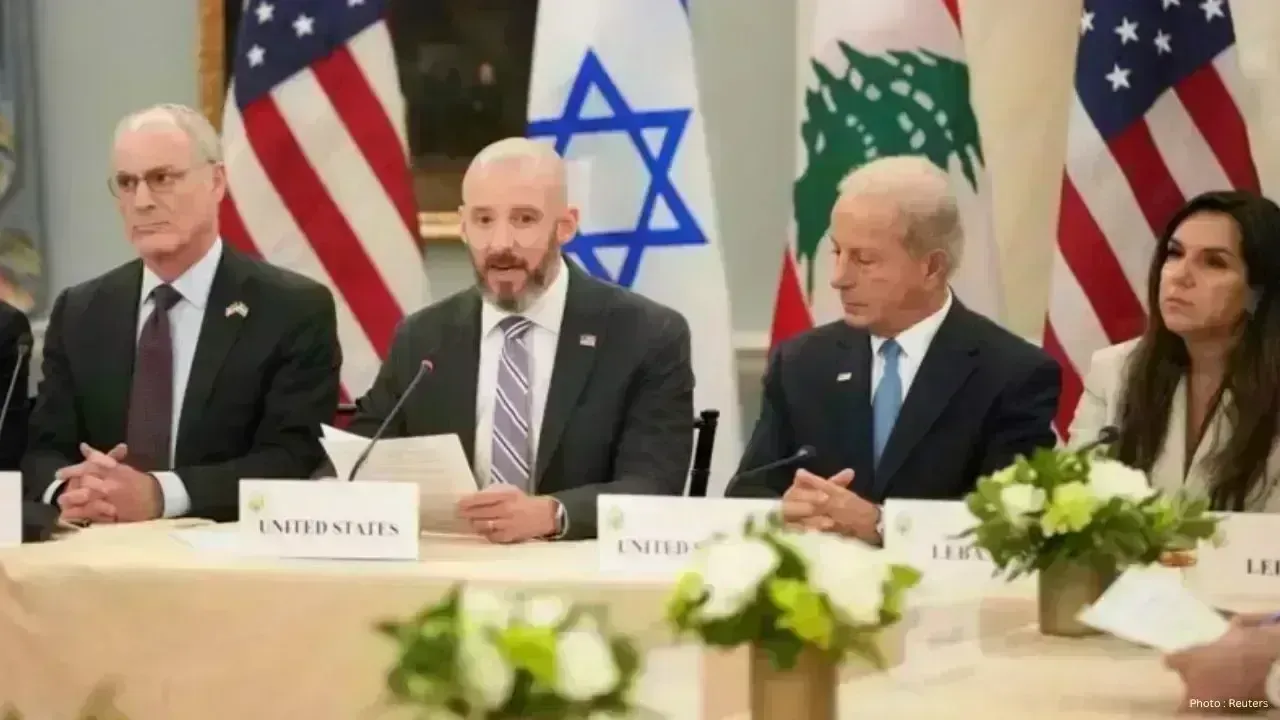
Post by : Saif Rahman
Amid rising violence along the Israel-Lebanon border, fresh discussions indicate a willingness from both parties to agree on a ceasefire, contingent upon Hezbollah ceasing its attacks. This development fosters optimism for a reduction in hostilities and a potential route towards improved stability in a region burdened by recent military tensions.
The proposed ceasefire highlights a collective acknowledgment that ongoing conflict is detrimental for everyone involved. Communities adjacent to the border have been affected by continuous disruptions, displacements, and ongoing instability, severely impacting their daily lives. A successful ceasefire could alleviate the suffering of civilians who have faced the brunt of this prolonged unrest.
Continued clashes between Israeli forces and Hezbollah are among the key security challenges in the Middle East. Increased cross-border violence and military operations heighten fears of a broader regional conflict. International observers have repeatedly called for restraint and diplomatic interventions to curtail any escalation.
The suggested ceasefire framework pivots on a straightforward premise: Hezbollah agrees to suspend its attacks, and in return, military operations by Israel would be halted. Such agreements create a critical initial step towards diminishing violence, despite the ongoing political disputes that remain.
Efforts to alleviate tensions have emphasized diplomatic involvement from regional and international stakeholders, all striving to foster dialogue and prevent further deterioration of the security environment. Ceasefire negotiations often involve a complex array of trust-building measures and firm commitments from all parties.
For those residing in affected areas, the prospect of lesser military action provides hope for a more stable routine. Periods of conflict disrupt vital services, schools, and businesses. A decrease in violence could allow these communities to resume economic and social activities without the overshadowing concerns of conflict.
Economic aspects are also crucial; ongoing instability deters trade, tourism, and investments. Businesses thrive under predictable conditions, and a successful ceasefire could bolster investor confidence and facilitate recovery in affected areas.
Security analysts warn that early-phase ceasefire agreements are often precarious; ensuring ongoing calm requires constant dialogue, monitoring, and dedication from all involved parties. Even minor incidents can derail progress unless managed adeptly through diplomacy.
International bodies have consistently stated that preventing a wider confrontation is imperative. Such an escalation could lead to humanitarian crises, increase regional instability, and further strain resources. Therefore, efforts aimed at lessening violence are deemed advantageous not just for the involved countries but also the region as a whole.
The significance of diplomacy remains paramount for achieving lasting resolutions. While military pauses may mitigate immediate dangers, enduring peace typically necessitates addressing deeper political and security issues. Genuine dialogue could create a conducive environment for long-term stability and minimize future confrontations.
Regional leaders are monitoring the situation closely, as the outcome stands to influence broader security dynamics across the Middle East. Successfully implementing a ceasefire may pave the way for additional diplomatic advances and intensify efforts to diminish conflict in surrounding regions.
Public sentiments have largely celebrated the prospect of reduced violence, as many families affected by the strife hope that a calm period will enable them to restore disrupted routines. Humanitarian organizations also see de-escalation as a chance to enhance living conditions for vulnerable populations.
Yet challenges persist; profound political divides and longstanding security dilemmas cannot be resolved swiftly. Strengthening confidence among opposing factions demands time, patience, and unwavering adherence to agreed terms, underscoring the critical need for ongoing diplomatic commitment.
The emerging understanding between Israel and Lebanon presents a potentially significant opportunity for reducing tensions and fostering stability within the region. While the road ahead remains uncertain, even a brief pause in hostilities could create room for further talks and confidence-building actions.
A sustained peaceful period would be beneficial for civilians, improve economic outlooks, and lessen the chances of broader conflicts. As diplomatic efforts continue, the focus will remain on the ability of both sides to uphold their commitments and transform this ceasefire into a more substantial peace framework in the region.
#Iran News #Middle East #Israel news #Middle East Crisis #Iran War #Middle East Conflict #Israel war










PM Modi Pays Tribute to Mahatma Gandhi, Urges People to Support Khadi
PM Modi pays tribute to Mahatma Gandhi on Gandhi Jayanti and urges citizens to support Khadi and the

Amazon Seeks to Offload $8 Billion in Nvidia Chips to Investors
Amazon plans to move $8 billion in Nvidia chips to investors, using a new financing model to strengt

Samsung Raises Galaxy S26 Prices as Memory Chip Costs Rise
Samsung raises Galaxy S26 prices in South Korea as rising memory chip costs put pressure on smartpho

Lewis Hamilton Calls Singapore Grand Prix One of F1's Toughest Races
Lewis Hamilton discusses the demanding Singapore Grand Prix and brings Plus44 and Almave to Singapor

Denmark's Pandora Opens World's Largest Jewellery Factory in Vietnam
Pandora opens its largest jewellery factory in Vietnam, expanding global production, strengthening s

Gautam Gambhir Questions Batting-Friendly Pitches After India's Record ODI Chase
Gautam Gambhir questions batting-friendly ODI pitches after India’s record chase, calling for a bett

