
You have not yet added any article to your bookmarks!
Join 10k+ people to get notified about new posts, news and tips.
Do not worry we don't spam!
Post by : Shweta
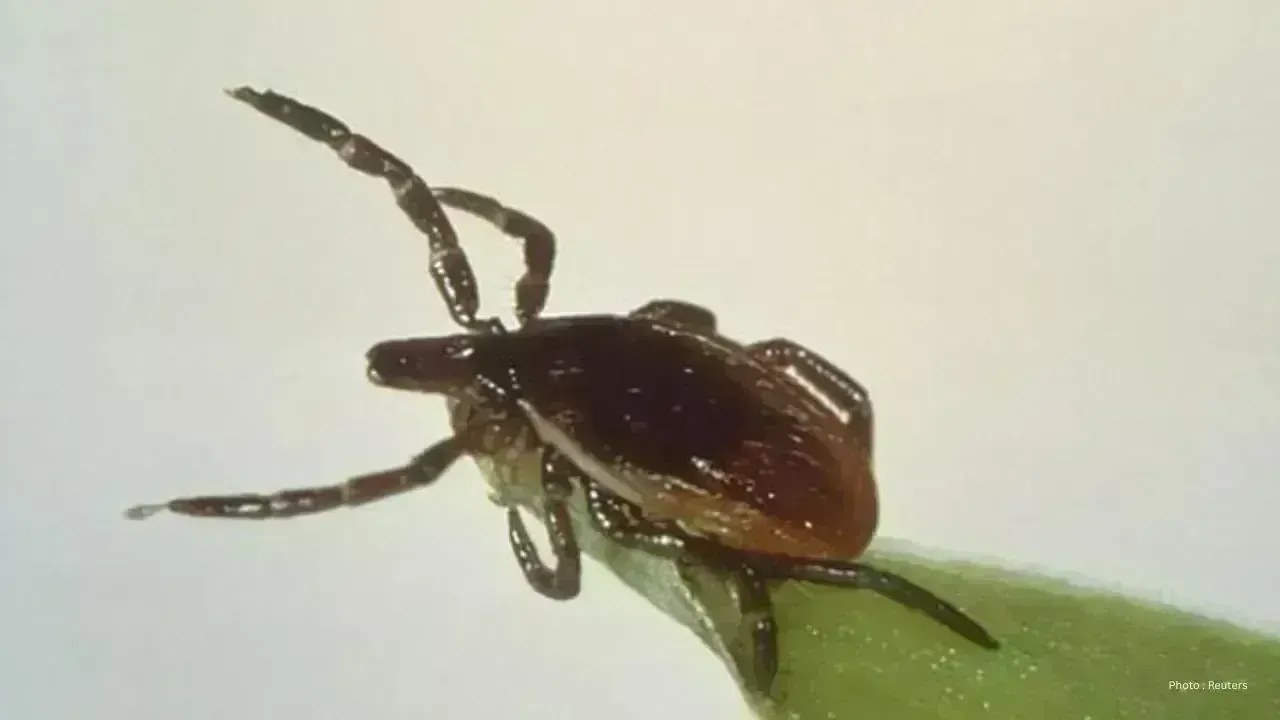
As warmer seasons arrive, health authorities are emphasizing the importance of protecting oneself from tick bites, given the uptick in tick activity across North America. Public health units have observed increased occurrences of blacklegged ticks during spring and summer, raising alarms over Lyme disease and other tick-borne ailments. To safeguard public health, experts are disseminating crucial tips for outdoor safety.
Blacklegged ticks, often referred to as deer ticks, are vectors for harmful bacteria that can lead to Lyme disease, which presents symptoms such as fever, fatigue, headache, muscle aches, and skin rashes. Untreated infections can potentially impact the joints, heart, and nervous system. There has been a reported rise in tick encounters and Lyme disease cases in various regions, attributed to warmer weather and changing ecological dynamics.
Public health officials recommend donning long sleeves, long pants, and closed-toe footwear when traversing wooded areas, grassy fields, or dense brush where ticks thrive. The use of insect repellents containing DEET or icaridin on skin and apparel is also advised to mitigate the chance of bites. Furthermore, opting for light-colored clothing can enhance visibility to spot ticks before they latch on.
After engaging in outdoor activities, a thorough body check is crucial for tick prevention. Common tick hiding spots include the legs, underarms, scalp, behind the knees, and waist. Experts state that prompt removal of a tick can significantly lower the chance of disease transmission, as infection typically requires several hours of attachment. Using fine-tipped tweezers to gently remove ticks is recommended to avoid crushing them.
Pet owners are also advised to routinely inspect their dogs and cats, as these animals can bring ticks indoors. Veterinarians recommend utilizing approved tick prevention methods for pets during peak seasons. Additionally, families should maintain short grass and clear away leaf piles around their homes to limit tick habitats.
Health professionals urge anyone exhibiting symptoms such as fever, rash, joint discomfort, or unexpected fatigue following a tick bite to pursue prompt medical care. Antibiotic treatments are typically effective against Lyme disease when administered early and can help avert severe complications. As tick populations expand annually, health officials continue to promote vigilance and preventive measures.










APEC Members Emphasise Safe and Responsible Use of Artificial Intelligence
APEC members discuss responsible AI use, digital innovation and data governance as China and the US

Union of European Clubs Challenge UEFA and EFC Over EU Competition Rules
UEC files an EU competition complaint against UEFA and EFC, challenging club representation, governa

Mohammed Shami Retires From Test Cricket, Eyes White-Ball Career
Mohammed Shami retires from Test cricket after 13 years, with 229 wickets. He will continue playing

Singapore Warns Users About Privacy and Security Risks of AI Agents
Singapore warns users about AI agent security risks, data privacy, online scams and unauthorised acc

Chris Lynn Completes One-Month Ban After Positive Cocaine Test
Australian cricketer Chris Lynn completes a one-month ban after a positive cocaine test during the T

Djokovic Eyes Strong Season Finish as Health Improves Ahead of Paris Masters
Novak Djokovic reports improved health and performance as he targets a strong Paris Masters finish a