
You have not yet added any article to your bookmarks!
Join 10k+ people to get notified about new posts, news and tips.
Do not worry we don't spam!
Post by : Saif Rahman
The escalating tension between the United States and Iran is causing significant concern within global oil markets as military actions and diplomatic dialogues unfold in the Gulf.
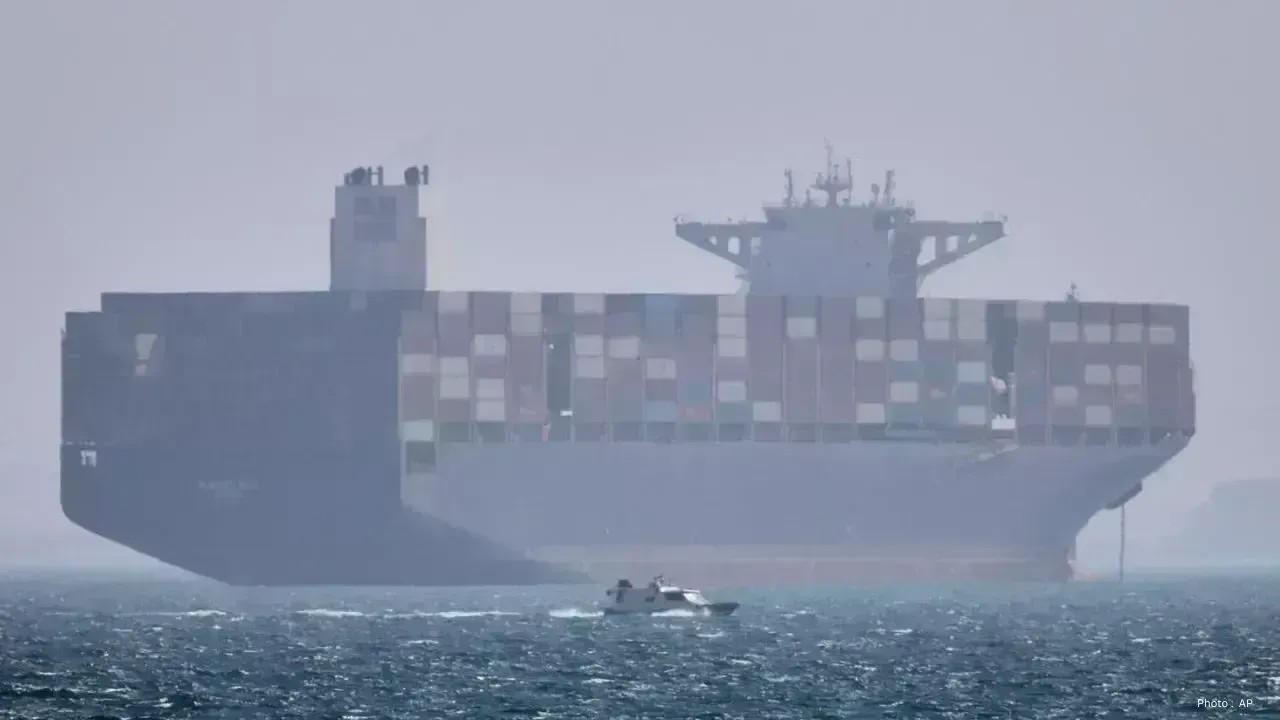
Attention is drawn once again to the Strait of Hormuz, a critical shipping route for crude oil and energy resources. Daily, a substantial volume of the world's oil trade flows through this narrow channel, making regional stability vital for the global economy.
Officials from the U.S. and Iran are reportedly engaged in talks aimed at easing tensions while addressing security and nuclear issues. Concurrently, military maneuvers near the Gulf reflect a precarious situation.
U.S. Vice President JD Vance acknowledged that while a direct conflict has not erupted, the environment is perilous. Washington is seeking robust assurances regarding maritime security, stability in the region, and Iran's nuclear ambitions.
One primary concern for international markets is the potential disruption of shipping through the Strait of Hormuz. Any alterations in this area could impact fuel availability and drive oil prices higher globally. Reports suggest that Iran may agree to ensure open shipping routes if diplomatic efforts progress positively.
Despite ongoing negotiations, military activities persist throughout the region. U.S. forces have reacted to security threats near critical maritime paths due to escalating drone activities and regional attacks.
Oil markets have begun to feel the effects of this heightened uncertainty. Price fluctuations have been driven by traders' fears that ongoing instability in the Gulf might disrupt supply chains worldwide. Nations reliant on oil imports are keenly observing these developments, aware that rising oil prices could lead to increased living and transport costs.
A number of Gulf countries are monitoring the situation closely as their economies are extremely dependent on secure shipping routes and energy exports. Any significant disruption to maritime trade could severely strain regional growth and international trade.
Relations between Washington and Tehran have been strained for decades over issues like sanctions, military presence, nuclear developments, and regional security. While negotiations have occurred intermittently, mutual trust remains low.
Global leaders are advocating for diplomatic resolutions to avert further conflict. European and regional allies continue to urge both parties to eschew military escalation and keep communication open.
Financial markets worldwide are closely tracking the Gulf's developments. Investors often react swiftly to geopolitical risks in energy-rich areas, as oil supply disruptions can profoundly affect sectors like aviation, manufacturing, shipping, and transport.
The Strait of Hormuz stands as one of the globe's most strategic waterways. A considerable portion of global oil exports traverses this route daily, underscoring the importance of security in ensuring worldwide economic stability.
Security analysts caution that even minor military incidents could heighten the risk of a larger conflict if diplomacy falters. Naval forces from various nations are currently operating in adjacent waters to safeguard commercial shipping and maintain maritime safety.
Simultaneously, the ongoing negotiations signal both the U.S. and Iran's interest in resolving issues diplomatically rather than prolonging military hostilities. Analysts assert that successful dialogues could mitigate pressures on oil markets and enhance regional security.
In the upcoming weeks, significant developments are anticipated as global leaders keep a vigilant watch on military activities and diplomatic conversations in the Gulf. The outcomes in this region may have far-reaching impacts on oil prices, international commerce, and economic stability worldwide.
#Global News #Market Analysis #Global Updates #Markets #World News










PM Modi Pays Tribute to Mahatma Gandhi, Urges People to Support Khadi
PM Modi pays tribute to Mahatma Gandhi on Gandhi Jayanti and urges citizens to support Khadi and the

Amazon Seeks to Offload $8 Billion in Nvidia Chips to Investors
Amazon plans to move $8 billion in Nvidia chips to investors, using a new financing model to strengt

Samsung Raises Galaxy S26 Prices as Memory Chip Costs Rise
Samsung raises Galaxy S26 prices in South Korea as rising memory chip costs put pressure on smartpho

Lewis Hamilton Calls Singapore Grand Prix One of F1's Toughest Races
Lewis Hamilton discusses the demanding Singapore Grand Prix and brings Plus44 and Almave to Singapor

Denmark's Pandora Opens World's Largest Jewellery Factory in Vietnam
Pandora opens its largest jewellery factory in Vietnam, expanding global production, strengthening s

Gautam Gambhir Questions Batting-Friendly Pitches After India's Record ODI Chase
Gautam Gambhir questions batting-friendly ODI pitches after India’s record chase, calling for a bett

