
You have not yet added any article to your bookmarks!
Join 10k+ people to get notified about new posts, news and tips.
Do not worry we don't spam!
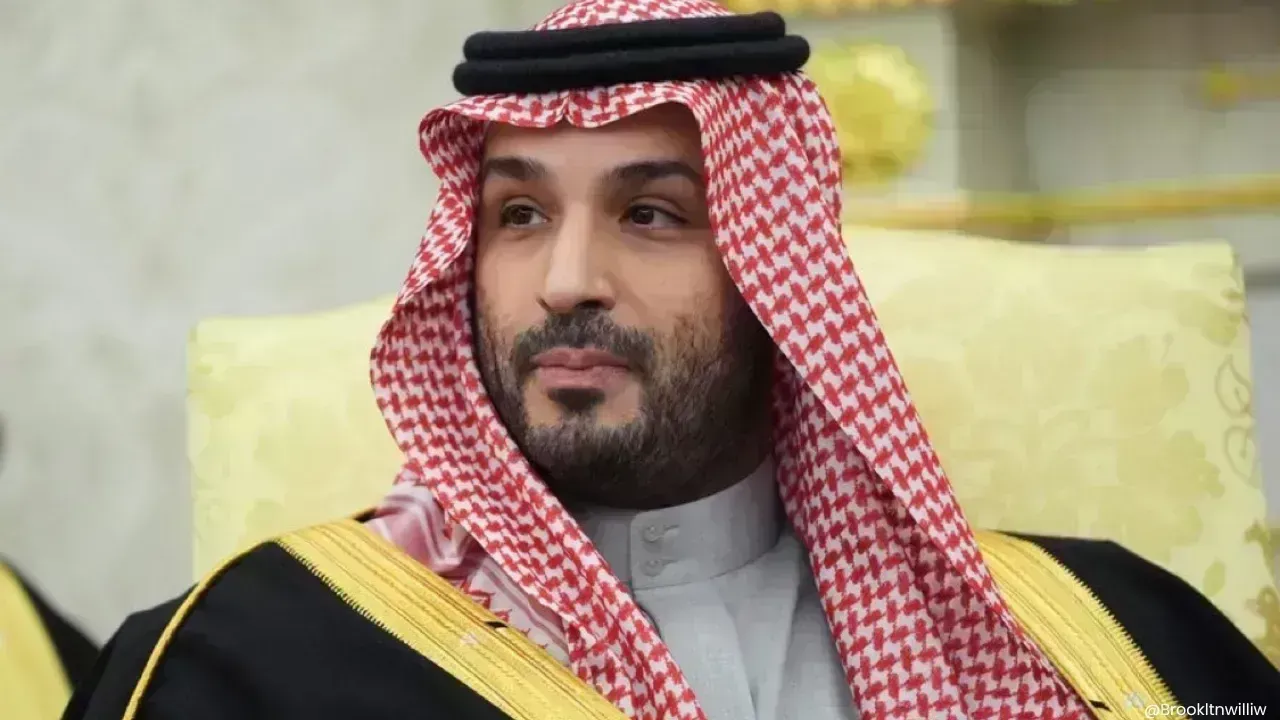
Post by : Abhinav Rana
Photo : X / @Brookltnwilliw
In a decisive and important action, Saudi Arabia has successfully restored its vital East-West oil pipeline to full operational capacity, solidifying its role as a dependable global energy provider amidst rising regional conflicts. Often viewed as the Kingdom's most crucial alternative export route, this pipeline had faced disruptions due to targeted attacks on important infrastructure. However, within a matter of days, Saudi officials executed swift repairs, reinstating the pipeline’s capacity to nearly 7 million barrels per day. This noteworthy achievement has alleviated concerns in global markets and highlighted the nation’s resilience amid geopolitical uncertainties.
The East-West pipeline represents much more than mere infrastructure; it is a strategic asset that allows Saudi Arabia to circumvent the politically sensitive Strait of Hormuz, which serves as a passage for a significant share of the world's oil supply. Given the ongoing regional instabilities affecting the strait, this pipeline has emerged as the backbone of Saudi export logistics, facilitating the transport of crude oil from eastern fields to the Red Sea port of Yanbu. Its reactivation ensures the reliability of global oil supply chains at a time when energy security is critical for leading economies.
Recent attacks on Saudi energy infrastructure had temporarily curtailed both oil production and logistical operations, decreasing pipeline throughput by almost 700,000 barrels per day and affecting key oil field outputs. These interruptions sparked immediate worries in global markets, resulting in price volatility and elevated fears of sustained supply constraints. The incidents underscored the vulnerability faced by even the most sophisticated energy infrastructures in sensitive geopolitical areas, where infrastructure security is intimately linked to global economic stability.
What stands out from this situation is the rapid response and efficiency of Saudi Arabia's recovery initiatives. Emergency protocols were activated swiftly, allowing for the restoration of pipeline operations and the recuperation of lost production, notably at vital sites like the Manifa oil field. This quick recovery minimized the time frame of supply disruptions and showcased the Kingdom’s advanced technical and crisis management capacities. Continued repair efforts at additional facilities indicate a thorough strategy aimed at fully restoring the energy network's operational power.
The renewal of this crucial export route sends a compelling message to global energy stakeholders, alleviating fears of supply shortages while reinforcing confidence in Saudi Arabia's ability to maintain consistent output. As oil prices remain sensitive to geopolitical changes, such expedient actions are vital for stabilizing market expectations. This incident also illustrates the crucial role of infrastructure redundancy and alternative logistics in ensuring uninterrupted energy provision.
Beyond immediate rectifications, this event signals a broader trend regarding the future of global energy systems. With geopolitical risks increasingly influencing supply chains, countries are prioritizing investments in resilient infrastructure capable of enduring various disruptions. Saudi Arabia’s East-West pipeline, which stretches over 1,200 kilometers, exemplifies long-term strategic foresight initiated decades ago. This planning has now revealed itself as essential in today’s unpredictable landscape.
The swift restoration of this key oil export route is more than just an operational fix; it is a declaration of purpose. In an era where energy security is inextricably linked to global economic health, rapid responsiveness to disruptions has become as crucial as the production of oil itself. As regional tensions continue, the durability of such infrastructure will play a pivotal role in shaping global oil markets, transportation costs, and supply chain stability. The sentiment is clear: in the modern energy arena, reliability equates to power.










PM Modi Pays Tribute to Mahatma Gandhi, Urges People to Support Khadi
PM Modi pays tribute to Mahatma Gandhi on Gandhi Jayanti and urges citizens to support Khadi and the

Amazon Seeks to Offload $8 Billion in Nvidia Chips to Investors
Amazon plans to move $8 billion in Nvidia chips to investors, using a new financing model to strengt

Samsung Raises Galaxy S26 Prices as Memory Chip Costs Rise
Samsung raises Galaxy S26 prices in South Korea as rising memory chip costs put pressure on smartpho

Lewis Hamilton Calls Singapore Grand Prix One of F1's Toughest Races
Lewis Hamilton discusses the demanding Singapore Grand Prix and brings Plus44 and Almave to Singapor

Denmark's Pandora Opens World's Largest Jewellery Factory in Vietnam
Pandora opens its largest jewellery factory in Vietnam, expanding global production, strengthening s

Gautam Gambhir Questions Batting-Friendly Pitches After India's Record ODI Chase
Gautam Gambhir questions batting-friendly ODI pitches after India’s record chase, calling for a bett

