
You have not yet added any article to your bookmarks!
Join 10k+ people to get notified about new posts, news and tips.
Do not worry we don't spam!
Post by : Badri Ariffin
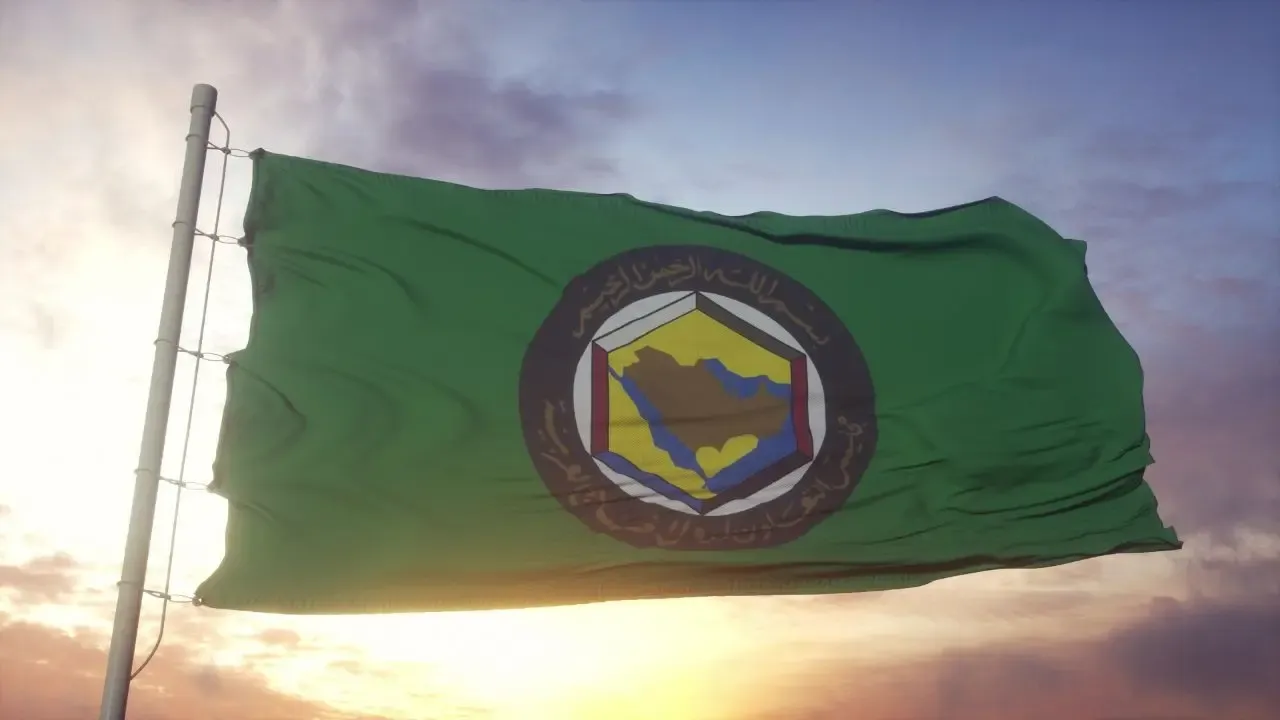
In a significant move, the Gulf Cooperation Council (GCC) is advocating for bolstered ties with the European Union (EU) to effectively address emerging regional and global challenges. This call was made by GCC Secretary-General Jasem Al-Budaiwi at the Third GCC-EU Regional Security Dialogue held in Brussels.
The gathering featured notable figures, including Bahrain's Foreign Minister and President of the GCC Ministerial Council, Dr. Abdullatif Al-Zayani, alongside European Union High Representative for Foreign Affairs and Security Policy, Kaja Kallas.
Addressing the forum, Al-Budaiwi emphasized the urgency of their dialogue, pointing out the unprecedented security tensions in the region. He advocated for enhanced consultations and coordination with European partners to tackle mutual security issues.
Al-Budaiwi expressed concerns regarding Iran's escalation, criticizing its preference for confrontation over diplomacy. He reiterated the GCC's commitment to peaceful dialogue, seeking stronger collaboration with Europe to counteract what he termed Iran's destabilizing actions.
He added that the GCC-EU strategic partnership, established in 1988, is due for an evolution that enhances readiness for the current regional and international landscape.
Al-Budaiwi underscored the economic fallout stemming from assaults on energy facilities in GCC nations and disruptions in the Strait of Hormuz. These incidents, he noted, have implications not just for Gulf states but for global economic stability as well.
He pointed to the International Monetary Fund's downward revision of the 2026 global economic growth projection to 3.1 percent, attributing significant influence to conflicts around the Strait of Hormuz.
Highlighting another major energy shock in Europe within four years, he remarked that the regional crisis has escalated into an issue with global repercussions for both Gulf and European economies.
Al-Budaiwi articulated that enhanced collaboration between the GCC and EU is essential to address regional challenges collectively.
He presented several key priorities aimed at fortifying the partnership, including:
He expressed a desire for the relationship with Europe to transcend security issues, facilitating broader economic integration that fosters stability and growth.
At the same event, Kuwait's Deputy Foreign Minister, Ambassador Hamad Al-Mashaan, reaffirmed the country's support for a fortified GCC-EU strategic partnership.
According to the Kuwaiti Ministry of Foreign Affairs, Al-Mashaan mentioned that this meeting is a continuation of the outcomes from the previous forum held in Kuwait in October 2025.
He stressed the need for a robust international reaction to recent attacks on Kuwait and other Gulf nations, thanking the EU and its member states for their solidarity during these tensions.
Al-Mashaan acknowledged the EU's role as a vital ally in ensuring regional security and stability.
In separate discussions, Al-Budaiwi and Kaja Kallas explored methods to bolster GCC-EU collaboration across various shared interests.
Both leaders highlighted the significance of international endeavors to defuse tensions, maintain stability, and safeguard navigation freedoms in the Strait of Hormuz, recognized as a crucial maritime route for global commerce and energy resources.
Conversations also delved into the broader economic and security ramifications stemming from recent regional developments.
In an independent announcement, Egyptian Minister of Transport, Kamel Al-Wazir, reported the inception of northern and southern Arab trade corridors aimed at linking Gulf nations with Europe.
The announcement was made during the signing of a guarantee agreement between the Egyptian Customs Authority and the Federation of Egyptian Chambers of Commerce under the auspices of the United Nations TIR Convention.
Al-Wazir detailed that the Southern Arab Trade Corridor would facilitate connections from Europe to Gulf markets via Egypt's logistics network and Safaga Port.
Goods will be transported using Egyptian shipping fleets to Saudi Arabia's Neom Port, formerly Duba Port, before continuation to various Gulf destinations.
He specified that the Northern Arab Trade Corridor is set to connect Europe with Levant nations including Jordan, Iraq, and Syria, primarily utilizing the Arish-Taba corridor, supported by the Arab Bridge Maritime Company's fleet.
Al-Wazir also revealed that Egypt is in the process of constructing eight integrated international logistics corridors that will link Red Sea and Mediterranean ports, the Suez Canal corridor, dry ports, and key industrial, agricultural, and mining zones.
These initiatives will incorporate rail systems, high-speed electric trains, and highways to boost cargo transport efficiency.
He emphasized that Egypt is adopting leading international practices to streamline trade processes, enhance cross-border goods movement, and adapt to the evolving demands of global supply chains.
The minister highlighted the TIR system as a powerful tool in the global landscape, which reduces customs delays, decreases transport costs, simplifies procedures, and enhances cargo security, ultimately facilitating smoother and more competitive international trade.








PM Modi Pays Tribute to Mahatma Gandhi, Urges People to Support Khadi
PM Modi pays tribute to Mahatma Gandhi on Gandhi Jayanti and urges citizens to support Khadi and the

Amazon Seeks to Offload $8 Billion in Nvidia Chips to Investors
Amazon plans to move $8 billion in Nvidia chips to investors, using a new financing model to strengt

Samsung Raises Galaxy S26 Prices as Memory Chip Costs Rise
Samsung raises Galaxy S26 prices in South Korea as rising memory chip costs put pressure on smartpho

Lewis Hamilton Calls Singapore Grand Prix One of F1's Toughest Races
Lewis Hamilton discusses the demanding Singapore Grand Prix and brings Plus44 and Almave to Singapor

Denmark's Pandora Opens World's Largest Jewellery Factory in Vietnam
Pandora opens its largest jewellery factory in Vietnam, expanding global production, strengthening s

Gautam Gambhir Questions Batting-Friendly Pitches After India's Record ODI Chase
Gautam Gambhir questions batting-friendly ODI pitches after India’s record chase, calling for a bett

