
You have not yet added any article to your bookmarks!
Join 10k+ people to get notified about new posts, news and tips.
Do not worry we don't spam!
Post by : Badri Ariffin
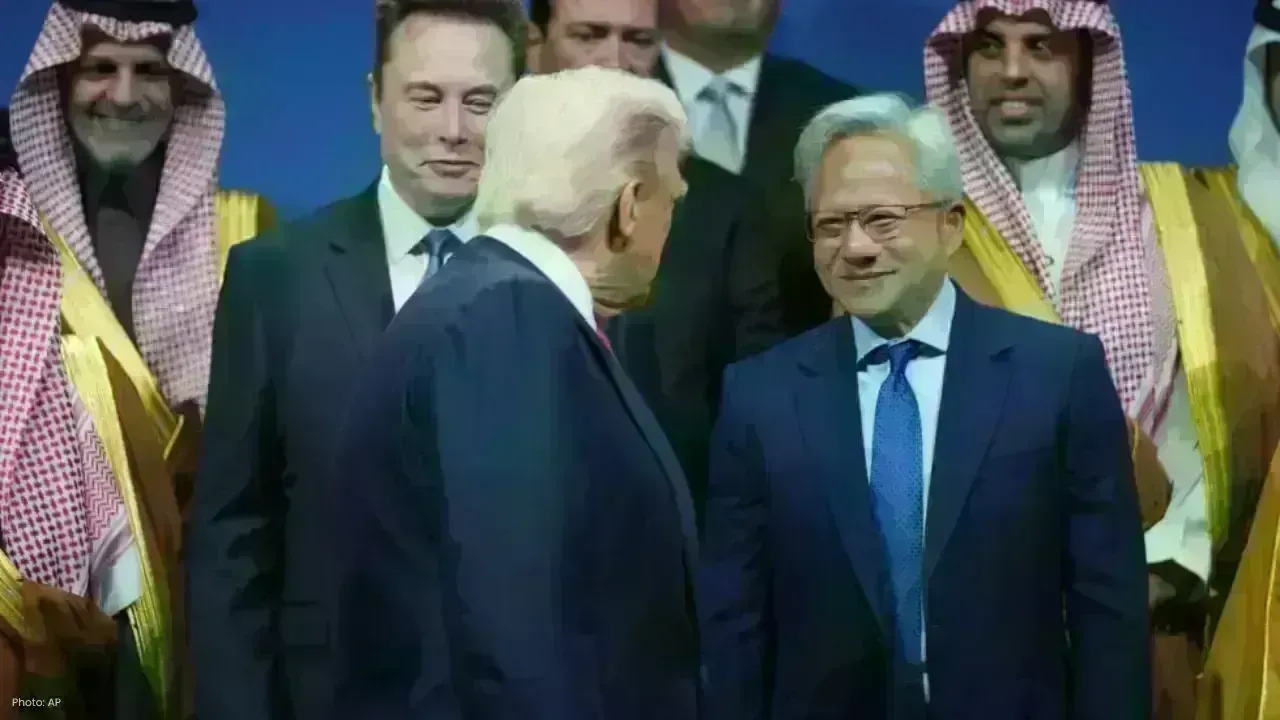
In a significant move impacting the AI chip landscape, former President Donald Trump has granted Nvidia the green light to market its H200 chips to “approved customers” in China. This decision follows extensive lobbying by Nvidia CEO Jensen Huang amid ongoing debates about technology exports.
Previously restricted due to national security concerns, the H200 chip ranks just below Nvidia’s top Blackwell tier. Trump’s latest announcement indicates a shift in the U.S. strategy, allowing select Chinese enterprises to acquire high-end AI semiconductors while continuing to ensure oversight through vetting by the Department of Commerce.
Nvidia welcomed this development, asserting it would bolster American manufacturing and create high-paying employment opportunities, while also preserving competitiveness in the global AI arena. Following the announcement, Nvidia’s stock experienced a slight uptick.
This policy extends beyond Nvidia, affecting other American semiconductor manufacturers such as AMD. Trump had previously indicated a 15% levy on revenues from these sales in China, later mentioning a much higher 25%, creating some uncertainty regarding financial specifics.
On the other hand, China has been limiting its domestic tech firms from acquiring older Nvidia chips, prompting reliance on local semiconductor solutions. Access to the H200 could significantly enhance China’s AI developments, however, the nation remains focused on strengthening its own chip production capabilities.
Market analysts suggest that making high-quality chips more accessible provides the U.S. with a bargaining tool in broader technology and rare earth supply discussions with China. However, experts caution that advanced AI chips could also be utilized for military purposes, presenting intricate strategic challenges.
The decision on the H200 exemplifies the delicate balance the U.S. navigates between encouraging innovation, ensuring national security, and managing global economic dynamics, with implications for both local industries and international tech competition.








PM Modi Pays Tribute to Mahatma Gandhi, Urges People to Support Khadi
PM Modi pays tribute to Mahatma Gandhi on Gandhi Jayanti and urges citizens to support Khadi and the

Amazon Seeks to Offload $8 Billion in Nvidia Chips to Investors
Amazon plans to move $8 billion in Nvidia chips to investors, using a new financing model to strengt

Samsung Raises Galaxy S26 Prices as Memory Chip Costs Rise
Samsung raises Galaxy S26 prices in South Korea as rising memory chip costs put pressure on smartpho

Lewis Hamilton Calls Singapore Grand Prix One of F1's Toughest Races
Lewis Hamilton discusses the demanding Singapore Grand Prix and brings Plus44 and Almave to Singapor

Denmark's Pandora Opens World's Largest Jewellery Factory in Vietnam
Pandora opens its largest jewellery factory in Vietnam, expanding global production, strengthening s

Gautam Gambhir Questions Batting-Friendly Pitches After India's Record ODI Chase
Gautam Gambhir questions batting-friendly ODI pitches after India’s record chase, calling for a bett

