
You have not yet added any article to your bookmarks!
Join 10k+ people to get notified about new posts, news and tips.
Do not worry we don't spam!
Post by : Saif Rahman
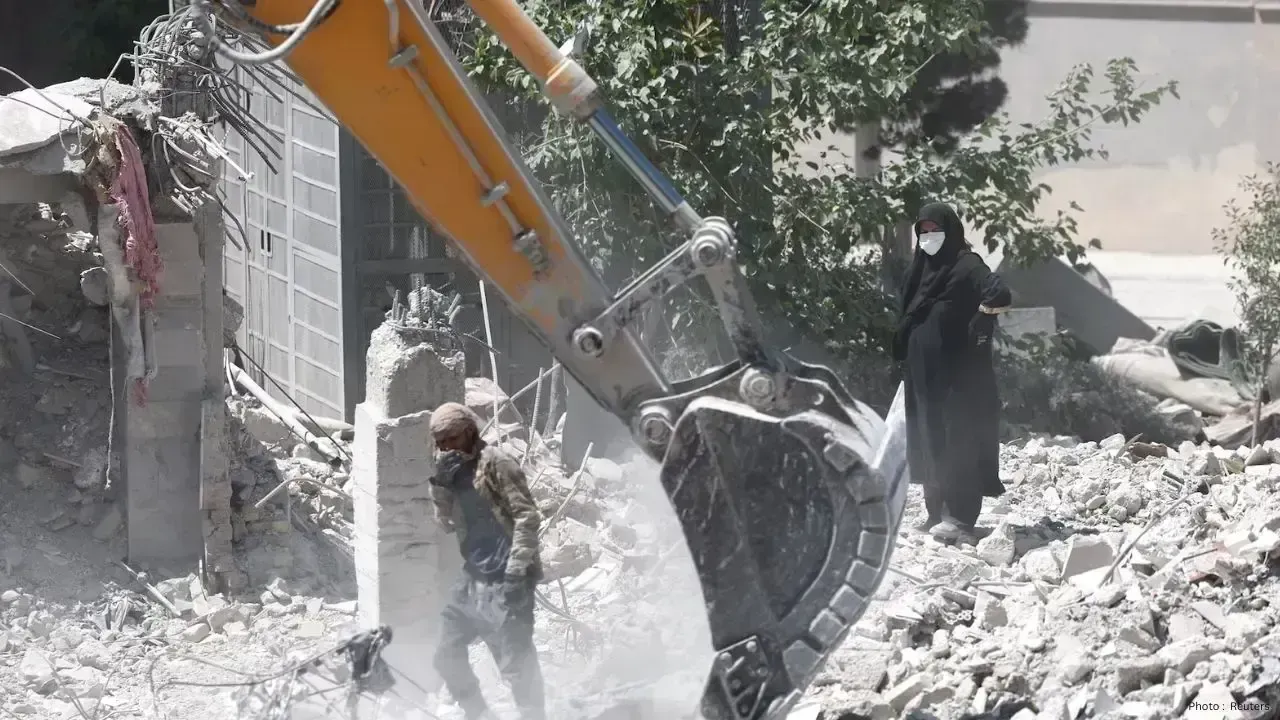
Recent military confrontations between Israel and Iran have heightened worries regarding stability in the Middle East. In the wake of these developments, President Donald Trump expressed his belief that ongoing diplomatic talks will persist, remaining unaffected by the latest hostilities.
This assurance comes as many experts fear that renewed military actions may jeopardize months of negotiation. With the region's history of conflict, each new incident raises alarms about a potential broader military escalation. While aerial assaults unfold, diplomatic avenues are still being explored, creating an intricate scenario where both conflict and diplomacy coexist.
The strikes illustrate the entrenched animosity that exists between the two nations, who regard each other as critical security threats. This long-standing rivalry not only shapes military actions but also deeply influences political dynamics and strategic decisions across the Middle East.
Israeli forces reportedly targeted locations associated with Iranian military operations, leading to retaliatory missile strikes from Tehran. This cycle of military engagement heightens fears that the situation could spiral beyond its current state and involve additional regional players.
Despite the rising hostility, Trump maintained confidence in the peace process. He suggested that such military events do not necessarily signal a failure in negotiations. According to him, discussions aimed at easing tensions can persist, even amidst conflict. His comments aim to reassure global stakeholders and financial markets that diplomatic avenues remain viable.
The challenges faced by diplomats are profound. Navigating negotiations requires patience and a willingness to adapt, while military incursions often escalate public pressure and sow additional dissent between the involved parties. Each attack risks consolidating hardline stances and fostering distrust among negotiators.
Proponents of diplomacy argue that the need for negotiations is especially critical during periods of heightened tension. History shows that significant agreements have often been struck following prolonged confrontations. Advocates stress that abandoning dialogue during crises can lead to an increased likelihood of more severe conflicts.
This situation is particularly significant for global energy markets, as the Middle East remains a key player in oil production and transport. Escalating conflict raises questions about potential disruptions in supply and security for shipping routes, which could have repercussions on fuel prices and economic conditions worldwide.
The Strait of Hormuz, a crucial waterway facilitating a substantial portion of the world's oil exports, is under scrutiny. Threats to this strategic passage could have immediate impacts on global trade and energy availability. While recent events haven’t led to major disruptions thus far, apprehensions remain whenever tensions flare.
Political ramifications of this conflict are serious, with leaders grappling with the need to support allies while also aiming to avoid broader crises. Diplomatic channels, discreet engagements, and international mediation strategies have become increasingly pivotal in managing the complexities of the situation.
Israel's primary concern remains national security, with officials asserting their commitment to neutralizing perceived threats. From their perspective, military actions are viewed as indispensable measures to safeguard the nation.
Iranian authorities, on the other hand, assert their right to retaliate and defend their interests. Tehran maintains that external pressure and military operations will not dissuade them from their strategic objectives. These contrasting viewpoints significantly complicate the negotiation landscape and perpetuate the cycle of conflict.
Instability has notably surged throughout the region in recent times. Ongoing conflicts, armed factions, and competition among regional powers foster an environment where tensions can escalate swiftly. Even minor military exchanges are typically monitored with concern by global observers.
The economic implications of instability are also significant. Prolonged turbulence can inhibit investment, disrupt trade, and generate uncertainty for businesses. Spiking energy costs can resonate with consumers across the globe, thus affecting everyday life, making developments in the Middle East of global importance.
This ongoing situation underscores the fragile interplay between ongoing diplomatic initiatives and military actions. While dialogue can pave the way for de-escalation, recurrent strikes create hurdles that impede progress. Both nations must navigate internal and external pressures that influence their strategies, complicating the already intricate peace dialogue.
International entities continue to advocate for restraint and open discussions. A negotiated resolution is generally viewed as the most effective way to avert a larger conflict. Even if peace talks take time, they are perceived as more sustainable than military interventions.
The protracted rivalry of Israel and Iran once again underscores potential risks stemming from their animosity. Nevertheless, President Trump asserts that the potential for peace talks persists, and that successful negotiations are possible amid current hostilities. Whether this optimism holds true will hinge largely on the resolve of all parties to keep lines of communication open, despite persisting divisions. The upcoming weeks are poised to be crucial in determining if diplomatic efforts can navigate the challenges heightened by renewed military actions and steer the region toward greater calm.









PM Modi Pays Tribute to Mahatma Gandhi, Urges People to Support Khadi
PM Modi pays tribute to Mahatma Gandhi on Gandhi Jayanti and urges citizens to support Khadi and the

Amazon Seeks to Offload $8 Billion in Nvidia Chips to Investors
Amazon plans to move $8 billion in Nvidia chips to investors, using a new financing model to strengt

Samsung Raises Galaxy S26 Prices as Memory Chip Costs Rise
Samsung raises Galaxy S26 prices in South Korea as rising memory chip costs put pressure on smartpho

Lewis Hamilton Calls Singapore Grand Prix One of F1's Toughest Races
Lewis Hamilton discusses the demanding Singapore Grand Prix and brings Plus44 and Almave to Singapor

Denmark's Pandora Opens World's Largest Jewellery Factory in Vietnam
Pandora opens its largest jewellery factory in Vietnam, expanding global production, strengthening s

Gautam Gambhir Questions Batting-Friendly Pitches After India's Record ODI Chase
Gautam Gambhir questions batting-friendly ODI pitches after India’s record chase, calling for a bett

