
You have not yet added any article to your bookmarks!
Join 10k+ people to get notified about new posts, news and tips.
Do not worry we don't spam!
Post by : Shakul
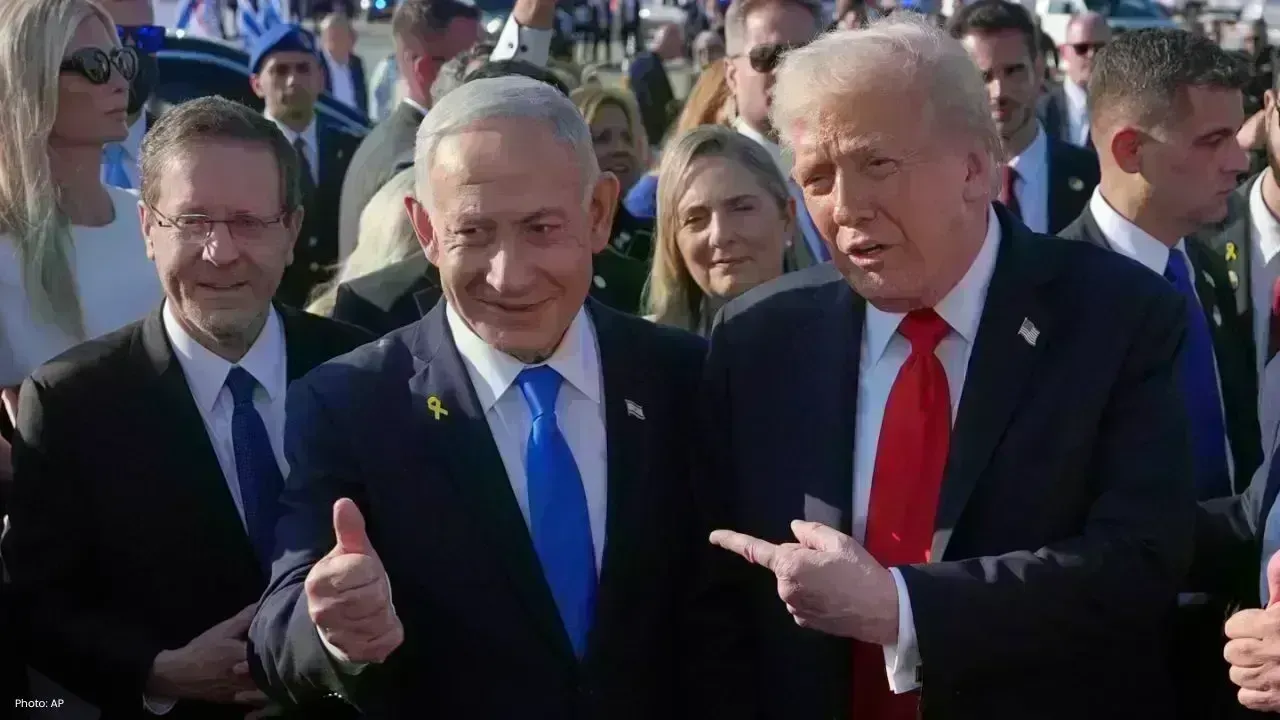
Signs of growing differences between U.S. President Donald Trump and Israeli Prime Minister Benjamin Netanyahu have emerged as the conflict involving Israel, Iran, and Hezbollah enters a new and increasingly complex phase. While both leaders initially appeared united in their military and diplomatic approach, recent developments suggest they are pursuing different priorities regarding the future of the conflict.
The latest tensions became visible after Israel carried out strikes in Lebanon despite public warnings from President Trump against expanding military operations in Beirut. The attacks triggered a sharp response from Iran, which launched ballistic missiles toward Israel, escalating regional concerns and raising fears of a broader confrontation.
According to political observers, Trump is increasingly focused on reducing regional instability and preventing further disruptions to global energy markets. With U.S. elections approaching later this year, the American administration is under pressure to contain the conflict, ease economic concerns linked to rising fuel prices, and preserve diplomatic efforts aimed at reducing tensions with Iran.
Netanyahu, meanwhile, faces domestic political pressure to demonstrate progress against Iran-backed groups and strengthen Israel’s security position. Israeli officials argue that continued military operations are necessary to neutralize threats posed by Hezbollah and other regional actors that continue to challenge Israel’s security.
The differences between the two leaders are particularly evident regarding Lebanon and Iran. While Washington has reportedly shown interest in broader ceasefire arrangements that could support diplomatic negotiations, Israel maintains that military pressure must continue until security objectives are achieved. These contrasting approaches have fueled speculation about strategic disagreements within one of the world’s closest alliances.
Despite public reports of disagreements, officials on both sides have attempted to downplay the situation. Netanyahu has repeatedly emphasized the importance of the U.S.-Israel partnership, while American officials continue to describe bilateral coordination as strong. However, public comments from both leaders have highlighted tensions that are usually handled behind closed doors.
Analysts note that disagreements between American and Israeli leaders are not uncommon, particularly during periods of conflict. What makes the current situation notable is the unusually public nature of the exchanges. Experts believe the alliance remains intact, but differences over Iran, Lebanon, Gaza, and future regional security arrangements may continue to shape discussions in the months ahead.
As diplomatic negotiations continue alongside military operations, the evolving relationship between Trump and Netanyahu is expected to play a significant role in determining how the current crisis develops and whether broader efforts toward regional stability can be achieved.










PM Modi Pays Tribute to Mahatma Gandhi, Urges People to Support Khadi
PM Modi pays tribute to Mahatma Gandhi on Gandhi Jayanti and urges citizens to support Khadi and the

Amazon Seeks to Offload $8 Billion in Nvidia Chips to Investors
Amazon plans to move $8 billion in Nvidia chips to investors, using a new financing model to strengt

Samsung Raises Galaxy S26 Prices as Memory Chip Costs Rise
Samsung raises Galaxy S26 prices in South Korea as rising memory chip costs put pressure on smartpho

Lewis Hamilton Calls Singapore Grand Prix One of F1's Toughest Races
Lewis Hamilton discusses the demanding Singapore Grand Prix and brings Plus44 and Almave to Singapor

Denmark's Pandora Opens World's Largest Jewellery Factory in Vietnam
Pandora opens its largest jewellery factory in Vietnam, expanding global production, strengthening s

Gautam Gambhir Questions Batting-Friendly Pitches After India's Record ODI Chase
Gautam Gambhir questions batting-friendly ODI pitches after India’s record chase, calling for a bett

