
You have not yet added any article to your bookmarks!
Join 10k+ people to get notified about new posts, news and tips.
Do not worry we don't spam!
Post by : Shweta
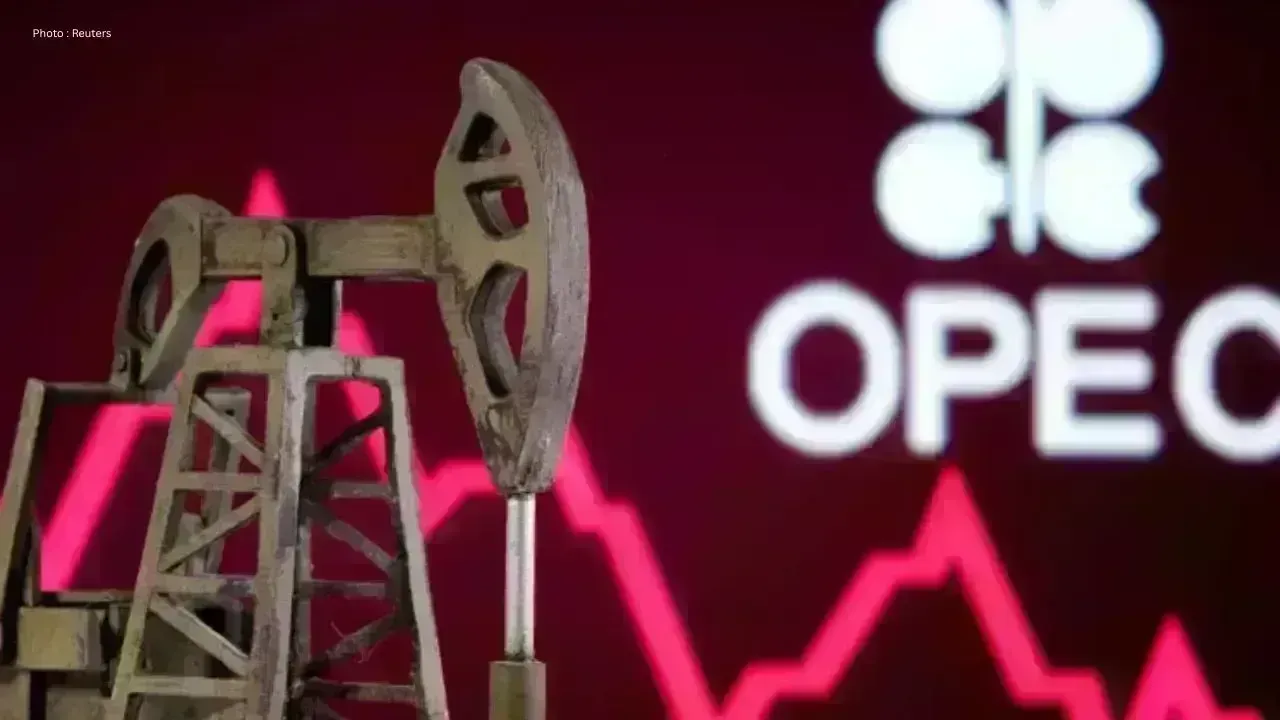
In a historic move, the United Arab Emirates has officially declared its intention to depart from the Organization of the Petroleum Exporting Countries and the broader OPEC+ alliance starting May 1, 2026. This marks the end of nearly sixty years of membership in one of the oil industry's preeminent organizations, signaling a significant turning point in energy politics globally and within the Gulf region.
According to UAE officials, this decision results from a comprehensive assessment of the nation's long-term economic and energy aspirations. The government aims to secure increased autonomy to enhance oil production and to adapt more independently to evolving global energy needs. This initiative aligns with broader economic ambitions, including investments in energy sectors, trade, infrastructure, and renewable technologies.
In a formal announcement, governmental authorities expressed that the move prioritizes national interests and long-term development objectives. They also emphasized their commitment to upholding stability in global energy markets and responsibly meeting the demand for oil. Post-exit, the UAE intends to collaborate with global partners to ensure balanced energy supply.
Initially joining OPEC in 1967 through Abu Dhabi, long before the official formation of the federation in 1971, the UAE has grown to be a significant member, ranking as the third-largest producer following Saudi Arabia and Iraq. Recent years have seen heightened tensions concerning production quotas and output limits, mainly as Abu Dhabi sought to bolster its production capacity.
Currently, the UAE has the potential to produce nearly five million barrels of oil daily, yet OPEC+ production agreements have constrained actual output to significantly lower levels. Officials contend that these limitations hinder optimal utilization of their investments and production capabilities, and they reiterate the necessity for flexibility to increase production in line with market demand and strategic planning.
This decision mirrors the escalating competition for influence and economic dominance between the UAE and Saudi Arabia in the Gulf. While Saudi Arabia typically supports stricter oil supply measures to maintain elevated global prices, the UAE tends to advocate for higher production rates and increased market presence. Despite public denials of any serious rift, analysts suggest that tensions concerning oil policies and regional dynamics have intensified in recent times.
The timing of this announcement drew global attention as it coincided with a significant Gulf Cooperation Council meeting in Jeddah, chaired by Saudi Crown Prince Mohammed bin Salman. The UAE was represented by Foreign Minister Sheikh Abdullah bin Zayed Al Nahyan. During the summit, UAE Energy Minister Suhail Al Mazrouei praised Saudi Arabia as a "brotherly state" and acknowledged regional collaboration, though the news of their exit raised concerns regarding future Gulf unity.
Experts in energy believe that the UAE's withdrawal may diminish OPEC's authority within the global oil landscape. The organization has historically depended on cooperation from major producers to control supply levels and stabilize pricing. Losing one of its financially robust members could introduce new uncertainty in energy markets already facing geopolitical tensions and shipping vulnerabilities around the Strait of Hormuz.
Moreover, the implications of this move could extend beyond the Gulf, with countries like India observing closely due to their growing energy ties with the UAE. Indian firms have interests in various UAE oil fields, and bilateral economic agreements have strengthened trade relations significantly over recent years.
Recently, the UAE has intensified its independent global economic initiatives by establishing trade agreements with multiple nations, including India. Authorities in Abu Dhabi believe that greater control over oil production is vital for fostering long-term growth and reinforcing the country's role as a leading global energy and investment hub.
As the UAE prepares for its official exit from OPEC+, analysts perceive this decision as the dawn of a new chapter in Middle Eastern energy politics. This development could reshape alliances within the oil sector, influencing how major producers approach global supply and pricing in the forthcoming years.










PM Modi Pays Tribute to Mahatma Gandhi, Urges People to Support Khadi
PM Modi pays tribute to Mahatma Gandhi on Gandhi Jayanti and urges citizens to support Khadi and the

Amazon Seeks to Offload $8 Billion in Nvidia Chips to Investors
Amazon plans to move $8 billion in Nvidia chips to investors, using a new financing model to strengt

Samsung Raises Galaxy S26 Prices as Memory Chip Costs Rise
Samsung raises Galaxy S26 prices in South Korea as rising memory chip costs put pressure on smartpho

Lewis Hamilton Calls Singapore Grand Prix One of F1's Toughest Races
Lewis Hamilton discusses the demanding Singapore Grand Prix and brings Plus44 and Almave to Singapor

Denmark's Pandora Opens World's Largest Jewellery Factory in Vietnam
Pandora opens its largest jewellery factory in Vietnam, expanding global production, strengthening s

Gautam Gambhir Questions Batting-Friendly Pitches After India's Record ODI Chase
Gautam Gambhir questions batting-friendly ODI pitches after India’s record chase, calling for a bett

