
You have not yet added any article to your bookmarks!
Join 10k+ people to get notified about new posts, news and tips.
Do not worry we don't spam!
Post by : Badri Ariffin
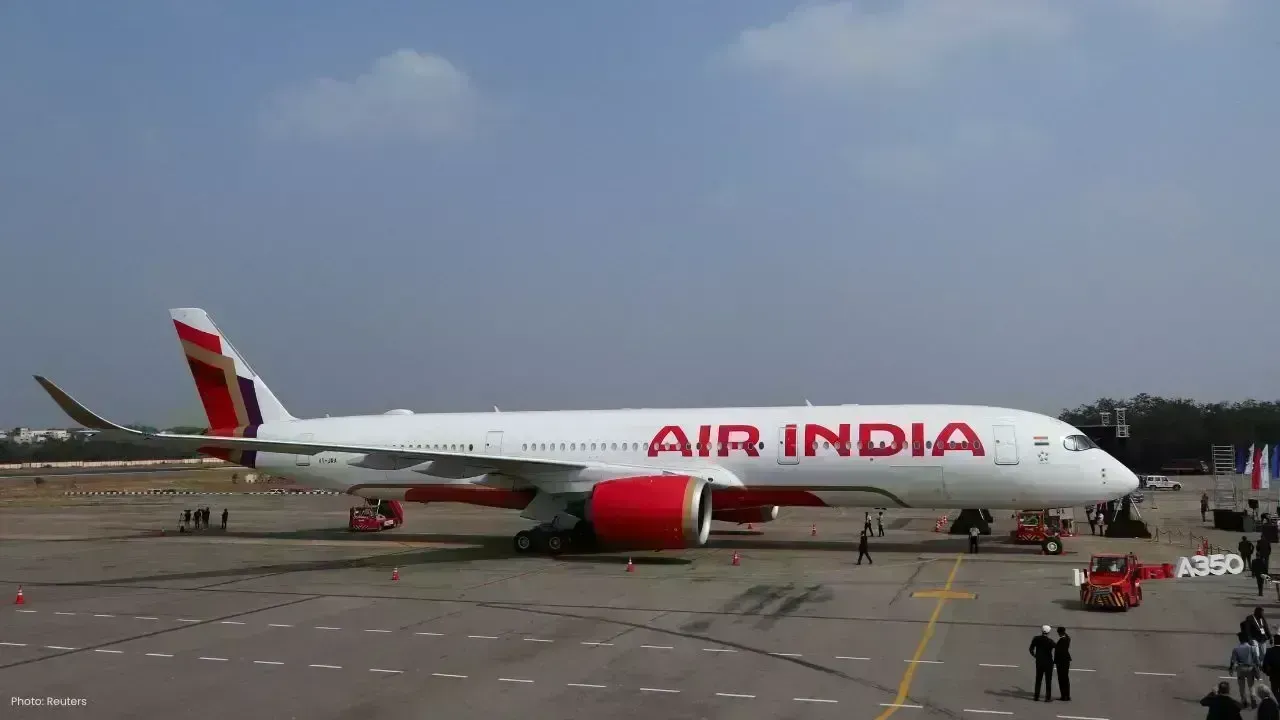
Travel disruptions loom for thousands in the UAE as India’s top airlines, Air India and IndiGo, drastically slash both domestic and international flights amid surging jet fuel prices caused by the Iran crisis.
These reductions come during the peak summer travel season, a period when many Indian expatriates in the UAE return home for holidays and family engagements.
With nearly 90% of India’s domestic aviation market under their control, the impact of these cuts is significant for UAE-India travel routes.
Reports indicate that IndiGo has decreased around 7% to 10% of its domestic flight schedule for June and July, while Air India has cut nearly 22% of its domestic services in the same timeframe.
The reduced flights are expected to cause limited seating and increased ticket fares on several busy routes during this high-demand period.
Rising Fuel Costs Linked to Regional Conflicts
Airlines are under significant financial strain as jet fuel prices spike due to ongoing tensions in the Middle East.
Since jet fuel can account for up to 40% of operating costs, the recent surge in oil prices has prompted many airlines to cut services, halt less profitable route options and raise ticket prices.
Air India confirmed that it has adjusted some domestic operations between June and August in response to the escalating fuel costs.
An airline representative noted that jet fuel prices surged from approximately Rs 80,000 per kilolitre prior to the conflict to over Rs 100,000 now.
This price hike is partly attributed to disruptions in the Strait of Hormuz, a critical oil shipping lane connecting Gulf nations to global markets.
UAE Passengers to Encounter Longer Wait Times and Fewer Options
The flight cuts are expected to hinder UAE passengers connecting via major Indian airports such as Delhi and Mumbai.
Air India indicated that a decrease in international operations has subsequently reduced demand for domestic feeder flights that connect to major hubs.
This could result in fewer connections, longer layovers, and higher ticket prices for travelers originating from Dubai, Abu Dhabi, and Sharjah.
Many residents in the UAE rely on Indian airports for budget-friendly transit options to North America, Europe, and Asia, but these reduced international schedules may restrict those pathways.
International Services Also Affected
Air India has already imposed suspensions or reductions on multiple international routes through August.
Notably, the Delhi-Chicago route has been entirely suspended, while Delhi-San Francisco flights have seen a reduction from ten to seven weekly services.
Additionally, frequencies to Toronto, Vancouver, Paris, Singapore, Bangkok, and various European and Asian destinations have also been diminished.
Operational Challenges for IndiGo
IndiGo, India’s largest airline, is not immune from operational strains despite its expansion objectives.
Currently operating over 2,200 daily flights, including international routes, the airline had previously scaled back some long-haul operations due to congestion and operational issues.
These latest reductions illustrate the aviation industry’s susceptibility to global fluctuations in fuel prices, even amid robust passenger demand and accelerated market growth.
Experts in the field opine that airlines are increasingly emphasizing profitability and fuel efficiency over aggressive expansion tactics.
Ticket Prices Expected to Remain High
Travel analysts predict that airfares on routes between the Gulf and India will likely remain elevated throughout the summer season, driven by strong travel demand and diminished seat availability.
This situation may lead to increased interest in Gulf carriers such as Emirates, Etihad Airways, and flydubai, as travelers seek more reliable schedules and direct flights.
However, these Gulf airlines are grappling with soaring fuel costs due to ongoing energy market upheaval.
Financial Strain on Airlines Continues
Air India is navigating broader financial issues, recently revealing annual losses exceeding $2 billion.
Aside from rising fuel expenses, the airline is also contending with Pakistan’s airspace closure affecting Indian carriers and the stronger U.S. dollar.
Air India, a joint venture involving Tata Group and Singapore Airlines, stated that impacted travelers would receive alternative travel arrangements, complimentary date modifications, or refunds as necessary.
The airline will continue to reassess operations in accordance with fuel prices, passenger volumes, and overall operational dynamics.
Industry analysts caution that further reductions in flights could occur if tensions in the Middle East persist, impacting global oil pricing and airline supply chains.
For travelers in the UAE, this could lead to ongoing uncertainties concerning flight schedules, fares, and seat availability even after the summer travel rush has concluded.
#world news #Travel News #Travel and Tourism #Global Updates










PM Modi Pays Tribute to Mahatma Gandhi, Urges People to Support Khadi
PM Modi pays tribute to Mahatma Gandhi on Gandhi Jayanti and urges citizens to support Khadi and the

Amazon Seeks to Offload $8 Billion in Nvidia Chips to Investors
Amazon plans to move $8 billion in Nvidia chips to investors, using a new financing model to strengt

Samsung Raises Galaxy S26 Prices as Memory Chip Costs Rise
Samsung raises Galaxy S26 prices in South Korea as rising memory chip costs put pressure on smartpho

Lewis Hamilton Calls Singapore Grand Prix One of F1's Toughest Races
Lewis Hamilton discusses the demanding Singapore Grand Prix and brings Plus44 and Almave to Singapor

Denmark's Pandora Opens World's Largest Jewellery Factory in Vietnam
Pandora opens its largest jewellery factory in Vietnam, expanding global production, strengthening s

Gautam Gambhir Questions Batting-Friendly Pitches After India's Record ODI Chase
Gautam Gambhir questions batting-friendly ODI pitches after India’s record chase, calling for a bett

