
You have not yet added any article to your bookmarks!
Join 10k+ people to get notified about new posts, news and tips.
Do not worry we don't spam!
Post by : Shweta
The Ministry of Defence of the United Arab Emirates has confirmed that the country faced missile and drone strikes from Iran for the second consecutive day, raising alarms about a potential escalation of conflict in the Gulf region. On Tuesday, air defence systems were activated after several aerial threats were detected approaching from Iranian territory. The attacks allegedly targeted strategic energy and shipping sites.
These latest assaults coincide with rising tensions in the Strait of Hormuz, a crucial oil shipping channel. UAE defence forces reported successfully intercepting numerous incoming projectiles, preventing significant damage. Authorities have urged citizens to remain calm and adhere to safety advisories while emergency services monitor the evolving situation.
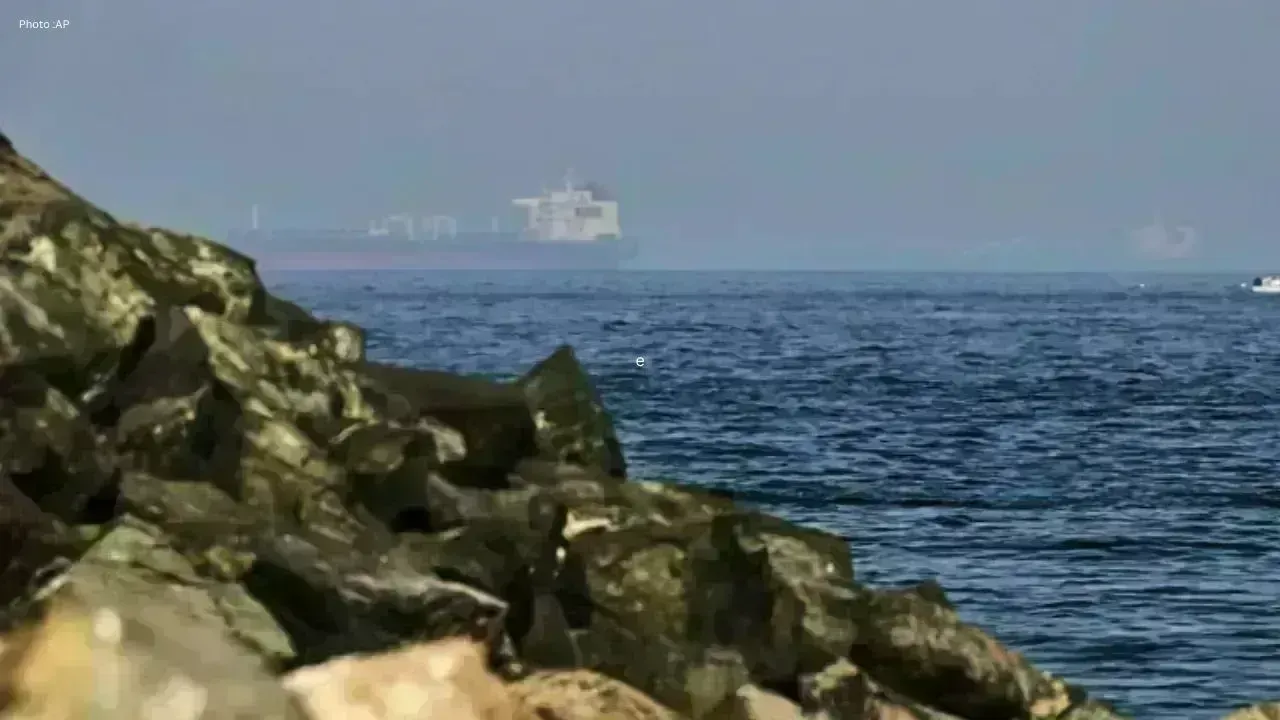
This wave of attacks follows similar incidents the previous day, where Iranian drones and missiles targeted the Fujairah Oil Industry Zone and adjacent maritime areas. UAE officials noted fire incidents in some facilities during Monday's strikes, resulting in injuries to several individuals, including nationals from India. The UAE has denounced these attacks, characterizing them as a severe escalation that jeopardizes regional stability and global trade.
In a statement, the UAE Ministry of Foreign Affairs accused Iran of directly endangering Gulf security and infringing upon international law. Officials reaffirmed Abu Dhabi's right to respond to any continued aggression. Conversely, Iran denied its involvement in the recent strikes, despite escalating tensions with the U.S. over military actions in the Strait of Hormuz.
The Strait of Hormuz is pivotal, with about one-fifth of the world’s oil transported through its waters daily. Recently, the United States initiated “Project Freedom,” a naval operation intended to ensure the safe passage of commercial vessels in the area after Iran imposed restrictions on maritime traffic. However, President Donald Trump later paused the operation to allow for further negotiations with Tehran.
Experts warn that such attacks on the UAE could lead to significant economic repercussions if tensions persist, especially as Fujairah serves as one of the largest oil storage and export hubs in the region. Analysts suggest these strikes might be Iran's strategy to exert pressure on Gulf nations backing U.S. initiatives.
Countries like Saudi Arabia, Qatar, and Kuwait have also ramped up security measures recently following prior Iranian attacks across the Gulf. Governments in the region fear that further escalations might disrupt oil shipments, aviation operations, and international trade routes linked to the Middle East.
Diplomatic channels remain active, with China and Pakistan reportedly advocating for direct negotiations between the U.S. and Iran. However, the recent attacks have heightened fears that the fragile ceasefire and diplomatic advancements may collapse if violence continues to spread throughout the Gulf.










PM Modi Pays Tribute to Mahatma Gandhi, Urges People to Support Khadi
PM Modi pays tribute to Mahatma Gandhi on Gandhi Jayanti and urges citizens to support Khadi and the

Amazon Seeks to Offload $8 Billion in Nvidia Chips to Investors
Amazon plans to move $8 billion in Nvidia chips to investors, using a new financing model to strengt

Samsung Raises Galaxy S26 Prices as Memory Chip Costs Rise
Samsung raises Galaxy S26 prices in South Korea as rising memory chip costs put pressure on smartpho

Lewis Hamilton Calls Singapore Grand Prix One of F1's Toughest Races
Lewis Hamilton discusses the demanding Singapore Grand Prix and brings Plus44 and Almave to Singapor

Denmark's Pandora Opens World's Largest Jewellery Factory in Vietnam
Pandora opens its largest jewellery factory in Vietnam, expanding global production, strengthening s

Gautam Gambhir Questions Batting-Friendly Pitches After India's Record ODI Chase
Gautam Gambhir questions batting-friendly ODI pitches after India’s record chase, calling for a bett

