
You have not yet added any article to your bookmarks!
Join 10k+ people to get notified about new posts, news and tips.
Do not worry we don't spam!
Post by : Shweta
The U.S. government has clarified that its bans on advanced artificial intelligence (AI) chip exports will now include Chinese companies operating outside the nation's borders, addressing what officials see as a significant loophole in technology regulation. This adjustment is part of a larger initiative by Washington to curb China's access to critical semiconductor technologies that could enhance its AI capabilities and military strength.
This announcement was made by the Bureau of Industry and Security (BIS) within the U.S. Department of Commerce, which affirmed that export licensing requirements will still apply for advanced AI chips sent to companies incorporated in China, even those based in foreign nations. This clarification comes in response to concerns about Chinese firms potentially securing restricted chips through international subsidiaries.
Reports indicate that this policy shift aims to mitigate fears that various Chinese technology companies may have been acquiring high-performance AI chips via operations in locations like Malaysia and other Southeast Asian nations. Industry insiders have indicated that a substantial volume of sophisticated chips could have ended up with Chinese-linked entities through these foreign channels over the preceding year.
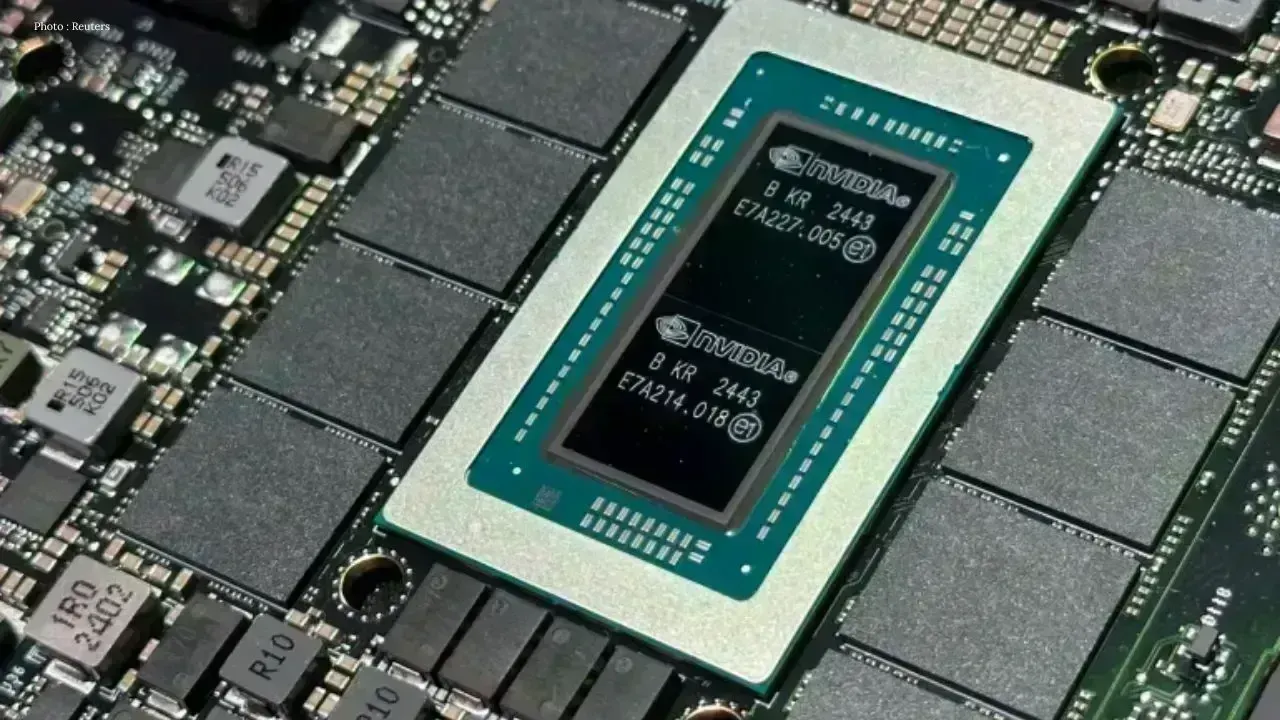
The chips at the heart of the matter include some of the most sophisticated AI processors manufactured by NVIDIA and Advanced Micro Devices. Notable products, such as Nvidia's Blackwell and Rubin chips, coupled with AMD's MI350X processors, are deemed vital for training and running advanced AI technologies. These processors provide the necessary computational ability for large language models, AI exploration, and next-gen tech advancements.
This latest directive follows the Trump administration's partial retreat from enforcing a Biden-era framework known as the AI Diffusion Rule in 2025. Critics maintained that this approach inadvertently opened a gateway for Chinese enterprises to secure advanced chips through foreign outlets. The new guidance clarifies the U.S. intent to uphold restrictions on Chinese access to cutting-edge AI technology, regardless of the operating location of those companies.
Experts have noted that this clarification reflects escalating apprehension in Washington regarding China's swift advances in the AI field. U.S. decision-makers are increasingly classifying advanced semiconductors as strategic assets with profound implications for national security, economic competition, and military endeavors. Curbing access to these chips has become pivotal to America's tech strategy concerning China.
Nvidia reacted by asserting that the new guidance largely aligns with their present compliance measures. The company confirmed that it already mandates licensing for exporting restricted items to firms with headquarters in China. Nevertheless, this clarification could lead to heightened evaluation of future sales and supply chains that involve Chinese-associated companies operating internationally.
While this policy addresses a potential loophole, analysts caution that challenges persist. The guidance does not necessitate that firms currently using these restricted chips halt their operations, nor does it stop data centers from maintaining existing systems. Some experts suggest that additional actions might be essential if Washington aims to comprehensively constrict China's access to cutting-edge AI infrastructure.
This announcement represents the latest development in the escalating technological rivalry between the U.S. and China. In recent years, both nations have implemented a variety of restrictions, sanctions, and investment supervision to safeguard strategic sectors. The semiconductor industry has emerged as a crucial arena in this conflict, given that advanced chips are vital for AI, defense tools, cloud services, and future technological advancements.
Meanwhile, China continues to heavily invest in its local semiconductor industry, with Chinese companies and government-sponsored initiatives working swiftly to create domestic alternatives to U.S. technology. Some Chinese industry leaders even assert that U.S. export controls have catalyzed faster innovation and reinforced self-sufficiency within China's tech sector.
The updated U.S. guidelines underscore Washington's serious commitment to controlling access to advanced AI hardware. As competition between these leading economies intensifies, semiconductors restrictions are anticipated to remain a significant topic impacting global tech markets, supply chains, and the future of artificial intelligence development.










PM Modi Pays Tribute to Mahatma Gandhi, Urges People to Support Khadi
PM Modi pays tribute to Mahatma Gandhi on Gandhi Jayanti and urges citizens to support Khadi and the

Amazon Seeks to Offload $8 Billion in Nvidia Chips to Investors
Amazon plans to move $8 billion in Nvidia chips to investors, using a new financing model to strengt

Samsung Raises Galaxy S26 Prices as Memory Chip Costs Rise
Samsung raises Galaxy S26 prices in South Korea as rising memory chip costs put pressure on smartpho

Lewis Hamilton Calls Singapore Grand Prix One of F1's Toughest Races
Lewis Hamilton discusses the demanding Singapore Grand Prix and brings Plus44 and Almave to Singapor

Denmark's Pandora Opens World's Largest Jewellery Factory in Vietnam
Pandora opens its largest jewellery factory in Vietnam, expanding global production, strengthening s

Gautam Gambhir Questions Batting-Friendly Pitches After India's Record ODI Chase
Gautam Gambhir questions batting-friendly ODI pitches after India’s record chase, calling for a bett

