
You have not yet added any article to your bookmarks!
Join 10k+ people to get notified about new posts, news and tips.
Do not worry we don't spam!
Post by : Shweta
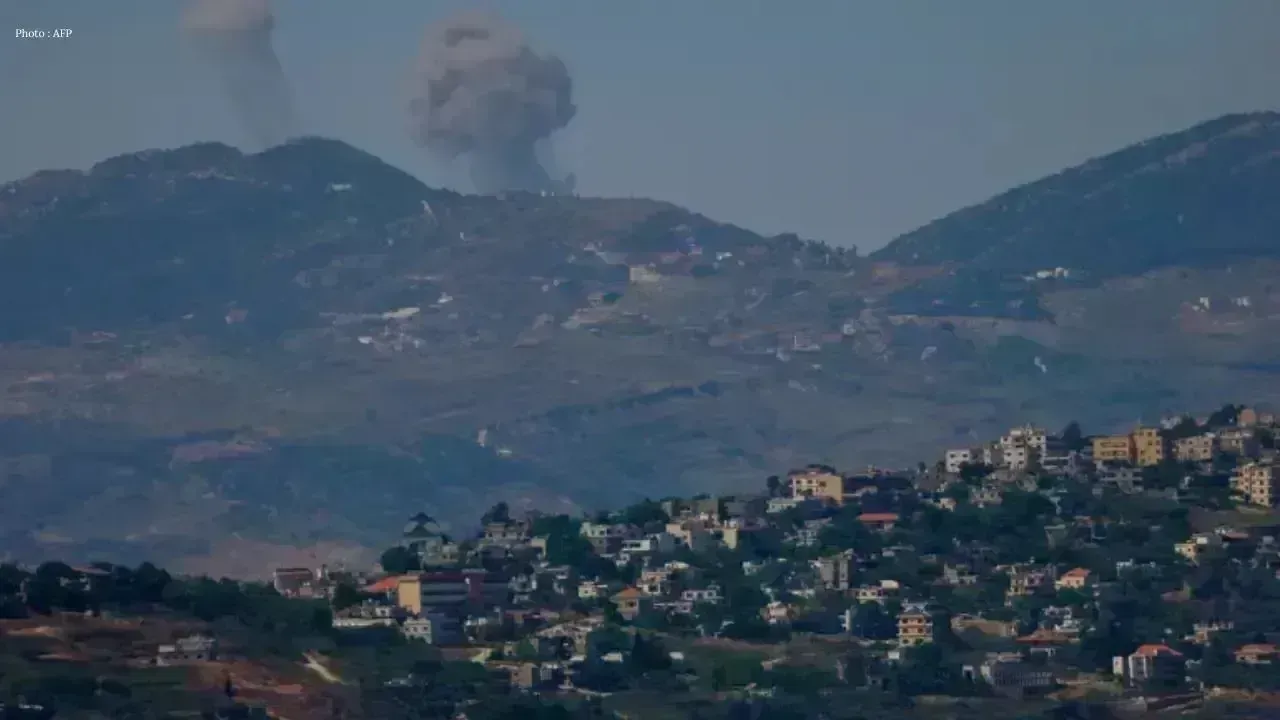
The U.S. military has reported successful interceptions of Iranian drone and missile attacks in the Gulf, coinciding with escalated Israeli operations targeting Hezbollah in Lebanon. This intertwining of military actions has heightened fears of a broader conflict in the region, jeopardizing ongoing diplomatic negotiations designed to alleviate stress.
U.S. Central Command confirmed that American forces effectively neutralized several Iranian aerial threats aimed at critical Gulf facilities. By preemptively responding, they aimed to safeguard military resources and maritime safety. This incident reflects the ongoing tension between the United States and Iran, marking another chapter in their longstanding rivalry.
In response to the attacks, U.S. forces undertook strikes against Iranian radar systems positioned on the coast, emphasizing their commitment to uphold regional stability. Iran has claimed these actions are retaliatory, warning the U.S. of potential volatility resulting from escalatory measures.
While diplomatic entities strive to maintain a tentative ceasefire, these repeated military skirmishes complicate the search for a peaceful resolution. The situation in Lebanon grows increasingly dire, with Israel targeting Hezbollah positions despite widespread calls for de-escalation.
Humanitarian issues in Lebanon are of growing concern, with numerous civilians forced to flee their homes amid intensified military engagements. Relief organizations are actively providing aid but face challenges in the worsening climate. International bodies continue to implore all factions to prioritize civilian safety and work towards lowering violence levels.
The situation has drawn the watchful eyes of regional governments and global powers, who caution that flare-ups could have far-reaching consequences across the Middle East. Calls for dialogue are reverberating throughout the region, stressing the need to avoid actions that could escalate to multi-national involvement.
The Strait of Hormuz remains pivotal for global commerce, since a substantial portion of the world’s oil transportation transits this vital route. Any conflict-related disruptions here pose significant risks not just for energy markets, but for international trade as a whole.
Experts indicate that the complexities surrounding U.S., Iranian, Israeli, and Hezbollah interactions present one of the region's most formidable challenges lately. They warn that continuous military provocations increase the likelihood of misjudgments and hinder diplomatic avenues.
Global entities and several nations continue to advocate for calm and push for diplomatic discussions. While endeavors to avert a larger confrontation are underway, the recent developments underscore the high barriers to achieving a durable peace.
Observers emphasize the necessity of sustained communication among involved parties in the upcoming days. Further military hostilities could significantly jeopardize existing diplomatic efforts and exacerbate regional instability.
As these dynamics unfold, governments and international organizations are poised to monitor the situation closely. The continuing unrest is poised to capture the attention of policymakers, security analysts, and global economic stakeholders.
These recent events illustrate the precarious security landscape of the Middle East, underscoring the urgent need for diplomatic initiatives to preempt further escalation. The following days are critical in determining the region's trajectory towards peace or deepening unrest.
Stay tuned with us for significant updates and future developments.









PM Modi Pays Tribute to Mahatma Gandhi, Urges People to Support Khadi
PM Modi pays tribute to Mahatma Gandhi on Gandhi Jayanti and urges citizens to support Khadi and the

Amazon Seeks to Offload $8 Billion in Nvidia Chips to Investors
Amazon plans to move $8 billion in Nvidia chips to investors, using a new financing model to strengt

Samsung Raises Galaxy S26 Prices as Memory Chip Costs Rise
Samsung raises Galaxy S26 prices in South Korea as rising memory chip costs put pressure on smartpho

Lewis Hamilton Calls Singapore Grand Prix One of F1's Toughest Races
Lewis Hamilton discusses the demanding Singapore Grand Prix and brings Plus44 and Almave to Singapor

Denmark's Pandora Opens World's Largest Jewellery Factory in Vietnam
Pandora opens its largest jewellery factory in Vietnam, expanding global production, strengthening s

Gautam Gambhir Questions Batting-Friendly Pitches After India's Record ODI Chase
Gautam Gambhir questions batting-friendly ODI pitches after India’s record chase, calling for a bett

